

Course: Comedy in Cinema
Dates: Saturdays, from August 19 to September 2, 2023
Time: 10:00 a.m. to 1:00 p.m.
Format: In-person
Instructor: Juan Carlos González, film critic and current editor of Kinetoscopio magazine
Investment
Presale: $256,000 COP (until Sunday, August 13)
Friends of MAMM: $228,000 COP
General: $285,000 COP
Cinematic language has been segmented into genres over time, for both aesthetic and commercial reasons. Genres determine narrative forms that are easily recognizable to audiences, and some such as the western, film noir, or comedy follow established rules and conventions for resolving themes, situations, characters, and settings.
Although today it is rare to find films that strictly adhere to a specific genre, since plots can move between several of them and use various narrative resources, it is possible to identify their historicity and approaches in different parts of the world.
Now, comedy is one of the first cinematic genres to develop its own identity. In its beginnings, it drew inspiration from variety theater and adopted many of its stereotypes. Classic silent comedy was based on dynamic situations and misunderstandings that generated action and laughter through acrobatics and visual conventions, as will be seen in the first session of the course.
With the arrival of sound cinema, comedy diversified into various styles, incorporating wordplay, witty dialogue, and comic situations from theater. In the second and third sessions, we will explore these forms of comedy in Hollywood cinema and in some European countries.
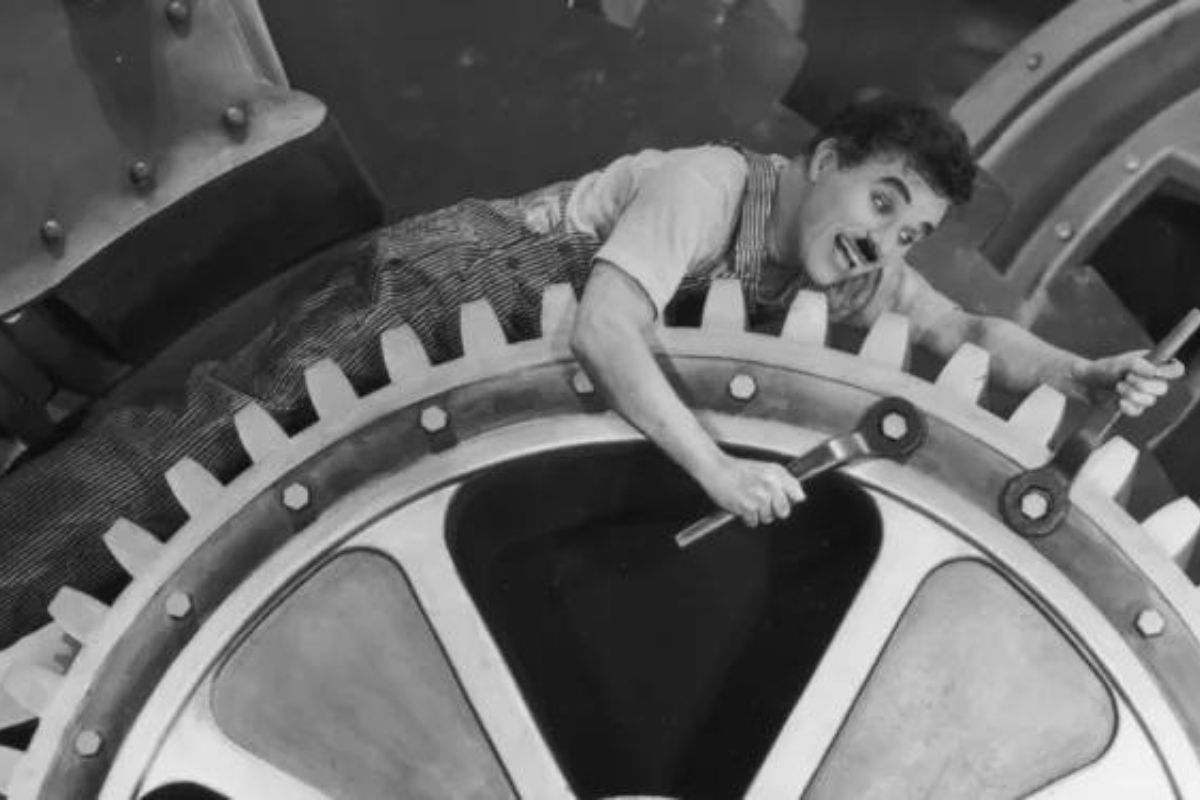
From theatrical vaudeville to cinematic slapstick: physical comedy appears in cinema. In this session, we will go from the Keystone Cops to the refined humor of Chaplin and his films, where emotion and laughter merge. We will explore the evolution of silent comedy cinema through Chaplin’s rivals such as Buster Keaton, Harold Lloyd, and Harry Langdon.
Sound cinema bursts onto Hollywood and comedy becomes a verbal back-and-forth game: the Marx Brothers, Abbott and Costello, and Laurel and Hardy represent anarchy, while Frank Capra, Preston Sturges, Leo McCarey, Howard Hawks, and Gregory La Cava achieve refinement through the screwball comedy.
We will take a close look at the Ernst Lubitsch “touch” and his disciple, Billy Wilder. We will analyze the end of Hollywood’s “classic” comedy and see the emergence of new filmmakers of the fifties and sixties such as Dean Martin and Jerry Lewis, Mel Brooks, and Woody Allen.
To conclude, we will open the question: Is contemporary American comedy in decline? Works by the Zucker brothers, the Farrelly brothers, Wes Anderson, and Noah Baumbach have the answer.
In the last session, four topics will be addressed. First, comedy as national representation through Luis García Berlanga (Spain), Jacques Tati (France), the Ealing studios (England), and De Sica, Monicelli, Lattuada, and Germi, with a focus on Italian comedy.
Afterward, the comedy of those who came later will be addressed, with Trinity (Terence Hill and Bud Spencer) and Louis de Funès; English humor according to Monty Python; and today’s comedy with the satires of Ruben Östlund (Sweden).
About Juan Carlos González
He is a film critic and the current editor of Kinetoscopio magazine, a publication to which he has been affiliated since 1993. He has written for the Revista Universidad de Antioquia, the “Generación” supplement of the newspaper El Colombiano, Arcadia magazine, El Malpensante, El Espectador, El Mundo, Gatopardo, Gente, SOHO, Caras, and Número. He was a film columnist for the newspaper El Tiempo between 2001 and 2019.
He directed the film club at Universidad EAFIT from 2000 until 2021. He is the author of the books François Truffaut: una vida hecha cine (2005), Elogio de lo imperfecto, el cine de Billy Wilder (2008), Grandes del cine (2011), and Imágenes escritas, obras maestras del cine (2014). He has been a member of the International Federation of Film Critics (FIPRESCI) since August 2013.