The Children’s City
The Museum of Modern Art of Medellín, in partnership with Bancolombia and in collaboration with social, educational, and cultural institutions in Medellín, has been developing the “City of Children” program since 2008. Inspired by the ideas of the Italian educational psychologist Francesco Tonucci, the program aims to promote children’s autonomy and participation in the city.
The City of Children program is an initiative to rebuild the social fabric of Medellín and to foster civic engagement through the arts. Its goals are to empower children to take ownership of their city; to give them a voice to express and share their stories, opinions, and ideas; and to explore and experience the narrative forms of contemporary art.
The City of Children is structured around five thematic cycles, each with four phases:
Observe: Identify elements of the environment or their everyday experiences.
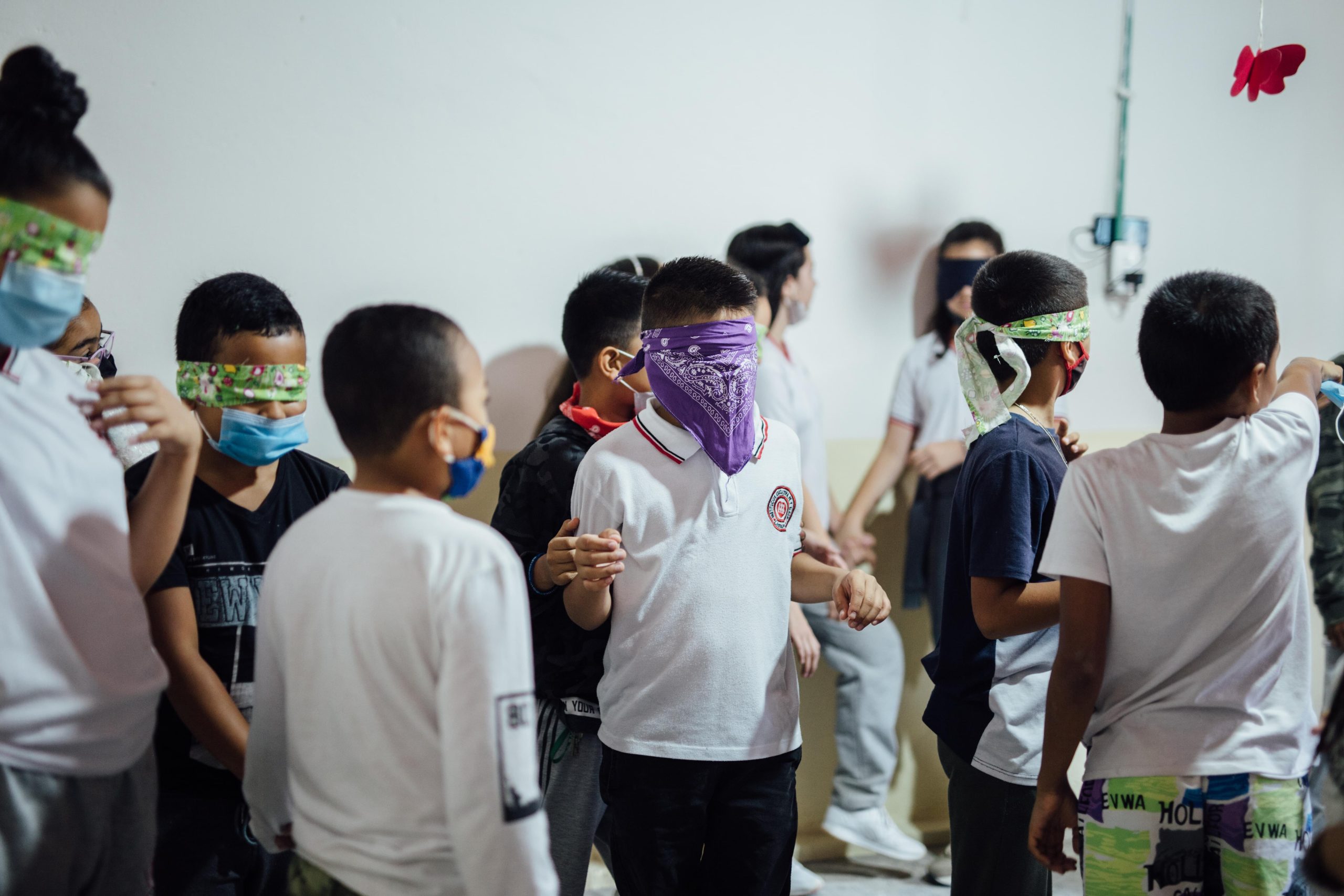
Explore: Engage in experiences that foster a sense of ownership of different spaces in the city.
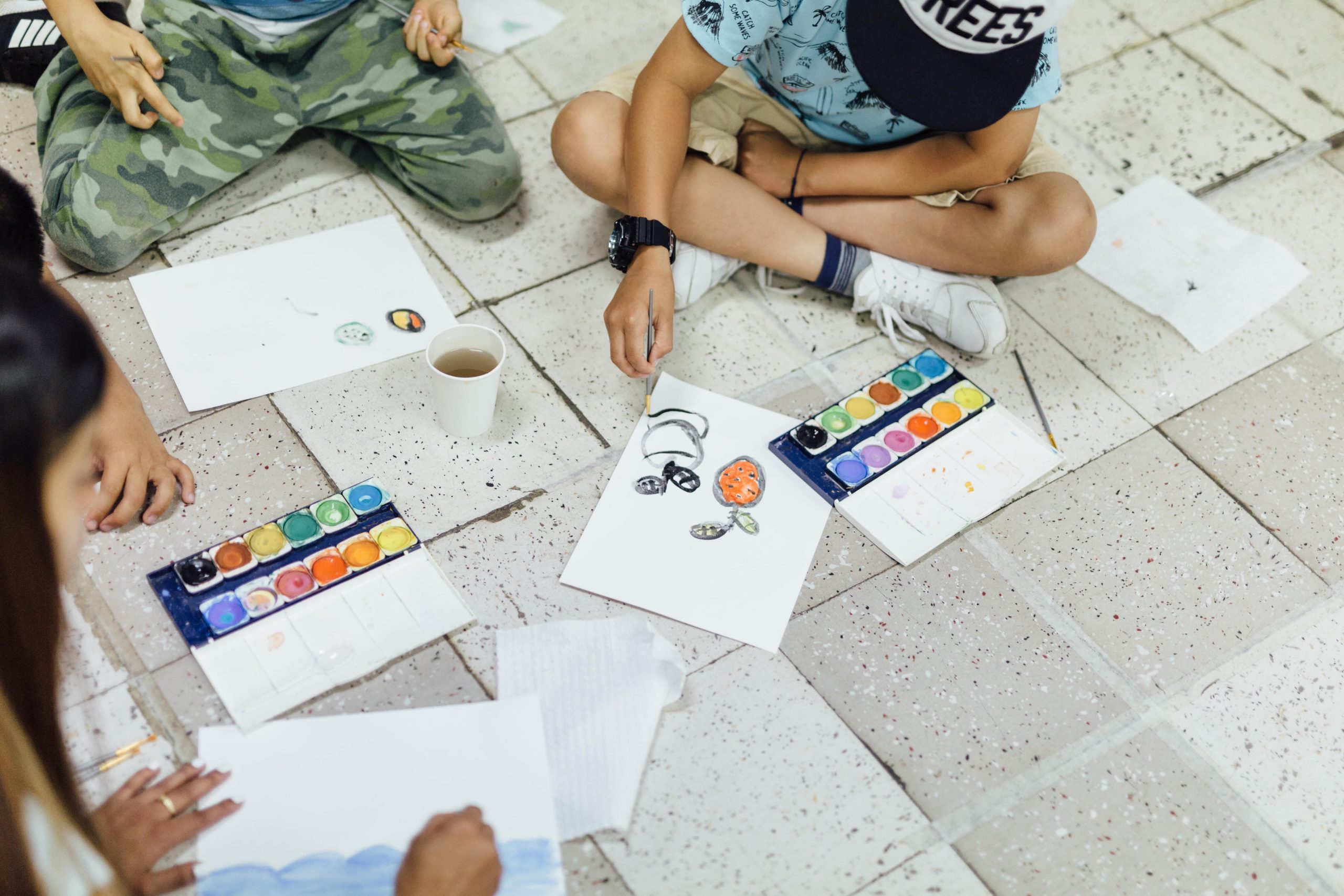
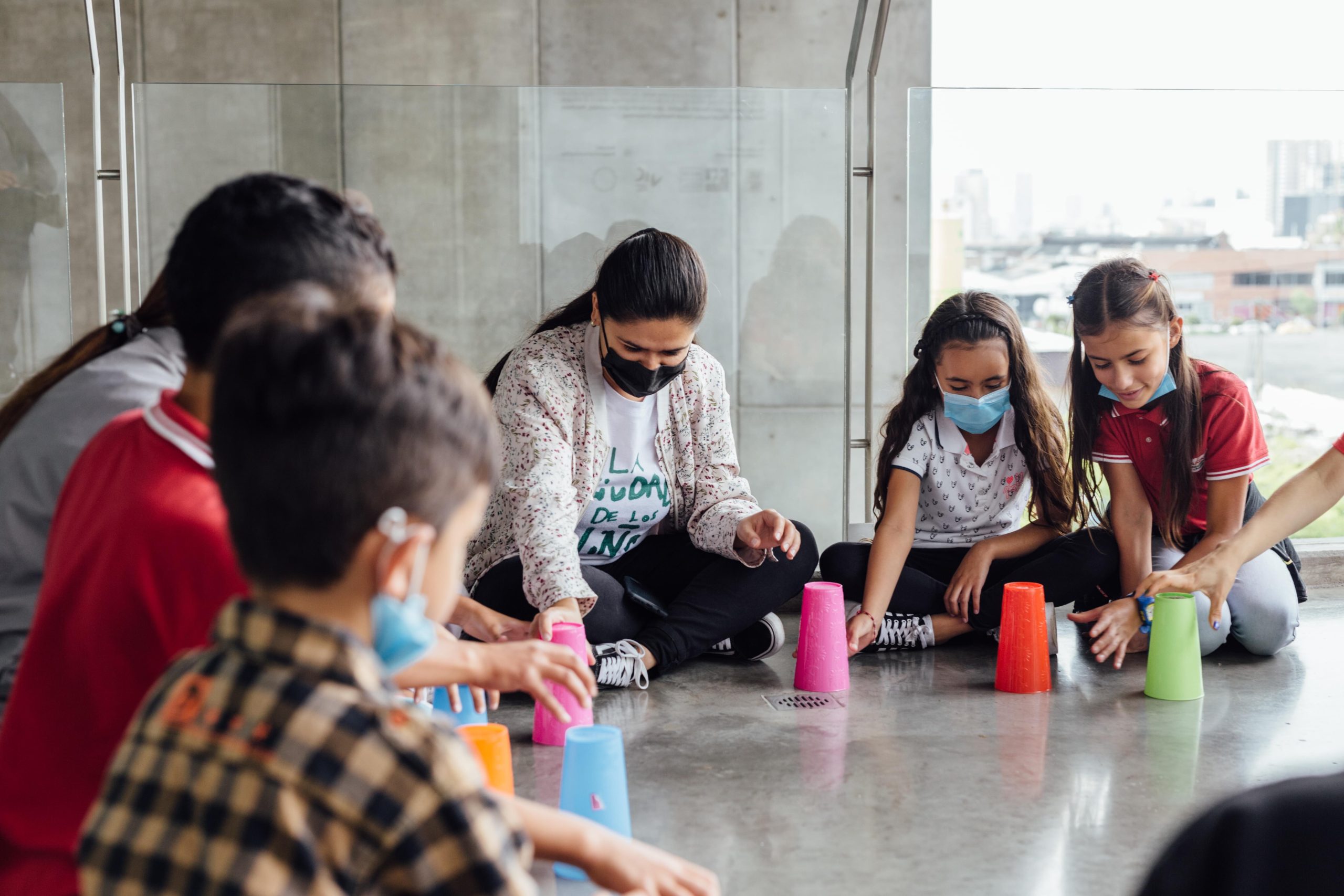
Experiment: Manipulate different art materials and techniques to foster unique artistic expressions, sometimes with guest artists.
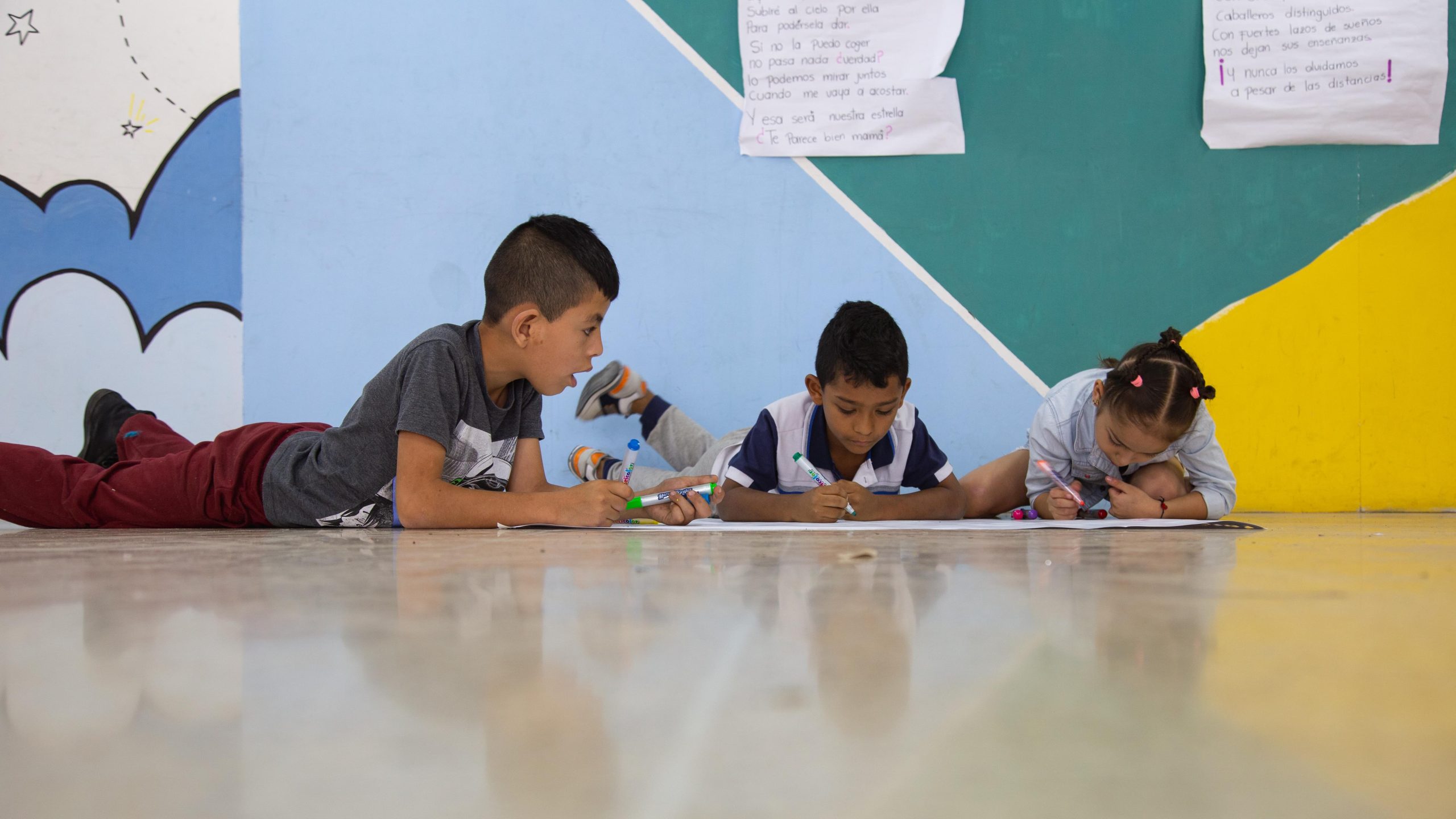
Tell: Create narrative pieces and amplify children’s voices.
Participants
Currently, the workshops are held in three neighborhoods of the Metropolitan Area, with 80 children and young people between the ages of 7 and 15, connected to established foundations in each area: Vereda Granizal in Bello, with support from the Huellas Foundation and the Community Action Board (JAC) of the Oasis de Paz sector; Vereda La Verde in San Antonio de Prado, with support from the Acoger y Acompañar Foundation (Funaya); and Vereda Pedregal in Itagüí, with support from the El Hormiguero Cultural Foundation.
2022
The topics for the 2022 workshops for the Children’s City Program were established. The two topics selected, based on experiences and interests identified in previous editions of the program, were:
1) Body and Movement
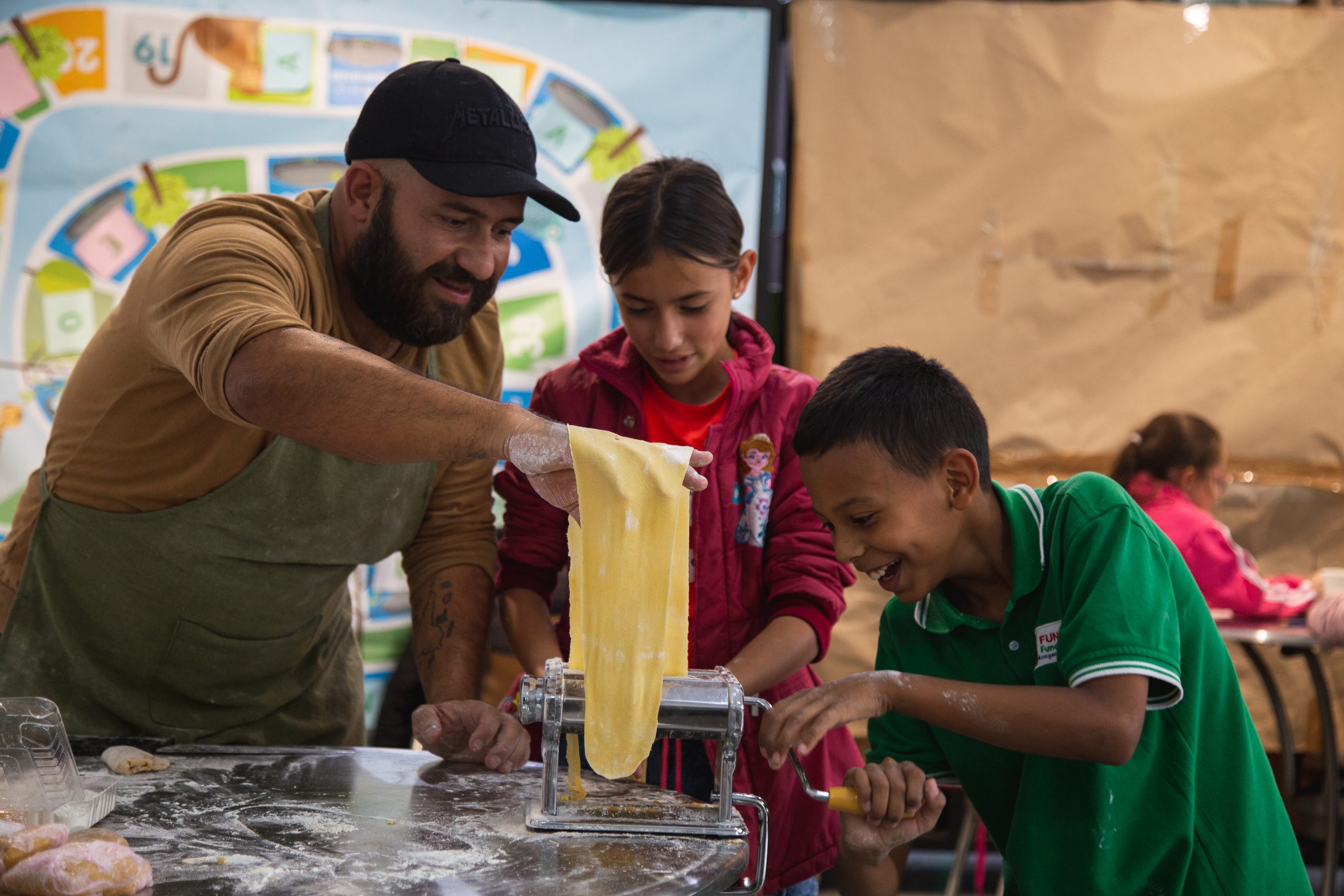
2) Gastronomy and Flavors
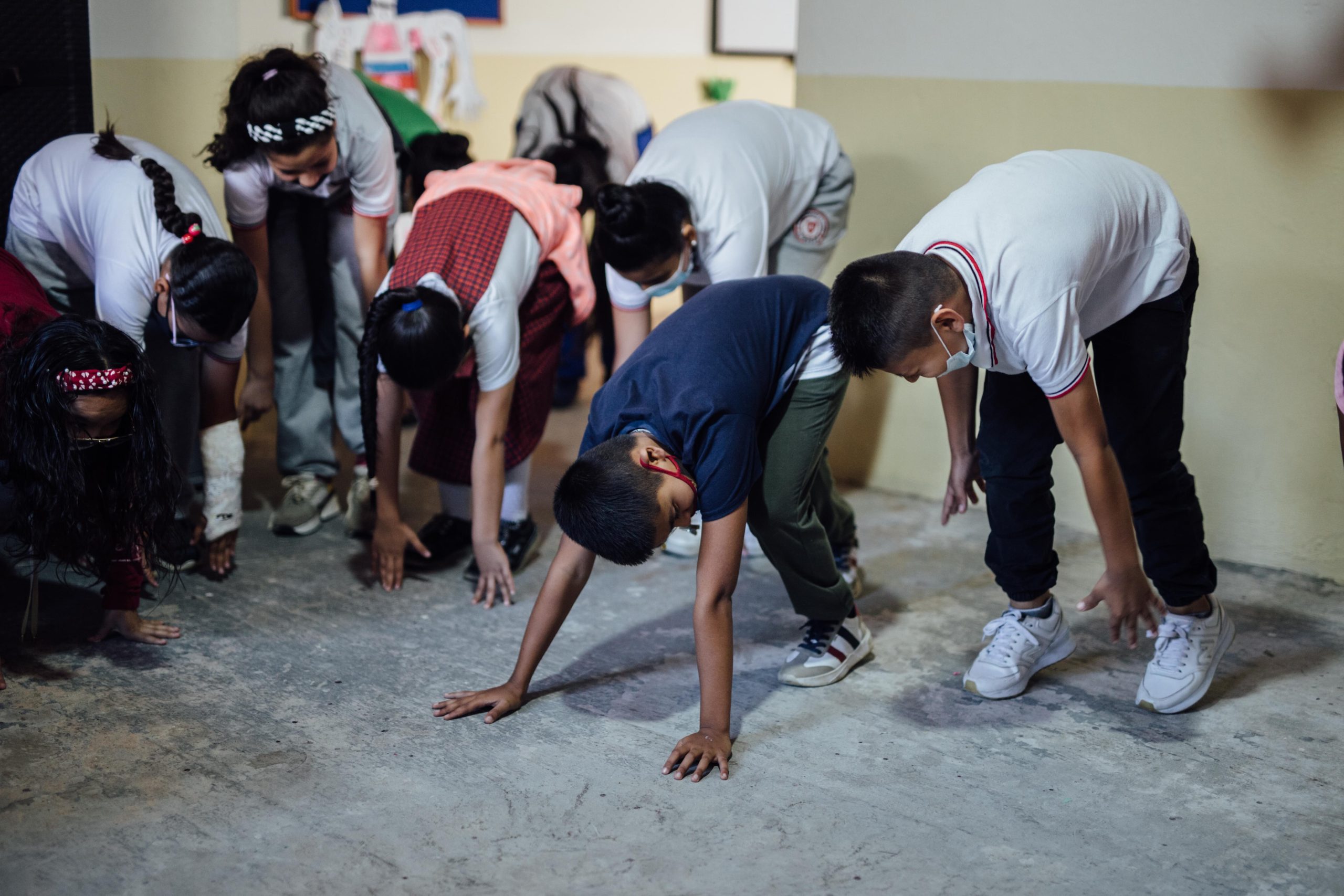
Cycle 1: Body and Movement:
This year, the groups that visited the MAMM (Museum of Modern Art of Medellín) had the opportunity to explore and experience the work of artist María Teresa Hincapié, her commitment to performance art, and her simple ways of inhabiting space. They also encountered the cosmogony of Indigenous peoples and the meanings of time for listening, in conjunction with the perception of space explored in the work of Jhon Mario Ortiz, through which the children played with shadows and imagination. Finally, they closely examined some of Débora Arango’s works and her perception of bodies through expressionism, the nude, and what this meant for Colombian art.
Cycle 2: Gastronomy and Flavors:
Our country is a diverse territory. Food, in particular, holds the memory of our ancestors and, on its own, tells countless stories accompanied by memories. Where does food come from? What do children know about what they eat? What do they eat? How can we understand diversity, who we are, and what makes us who we are through our food? These were some of the main questions that shaped Cycle 2: Gastronomy and Flavors, which is structured around three axes that address the rights to identity, health, healthy food, fun, play, and the freedom to share thoughts.
These axes are: Exploration: identity and family and cultural gastronomic traditions; Experimentation: recipes, flavors, and culinary experiences; and Storytelling: creating a narrative.
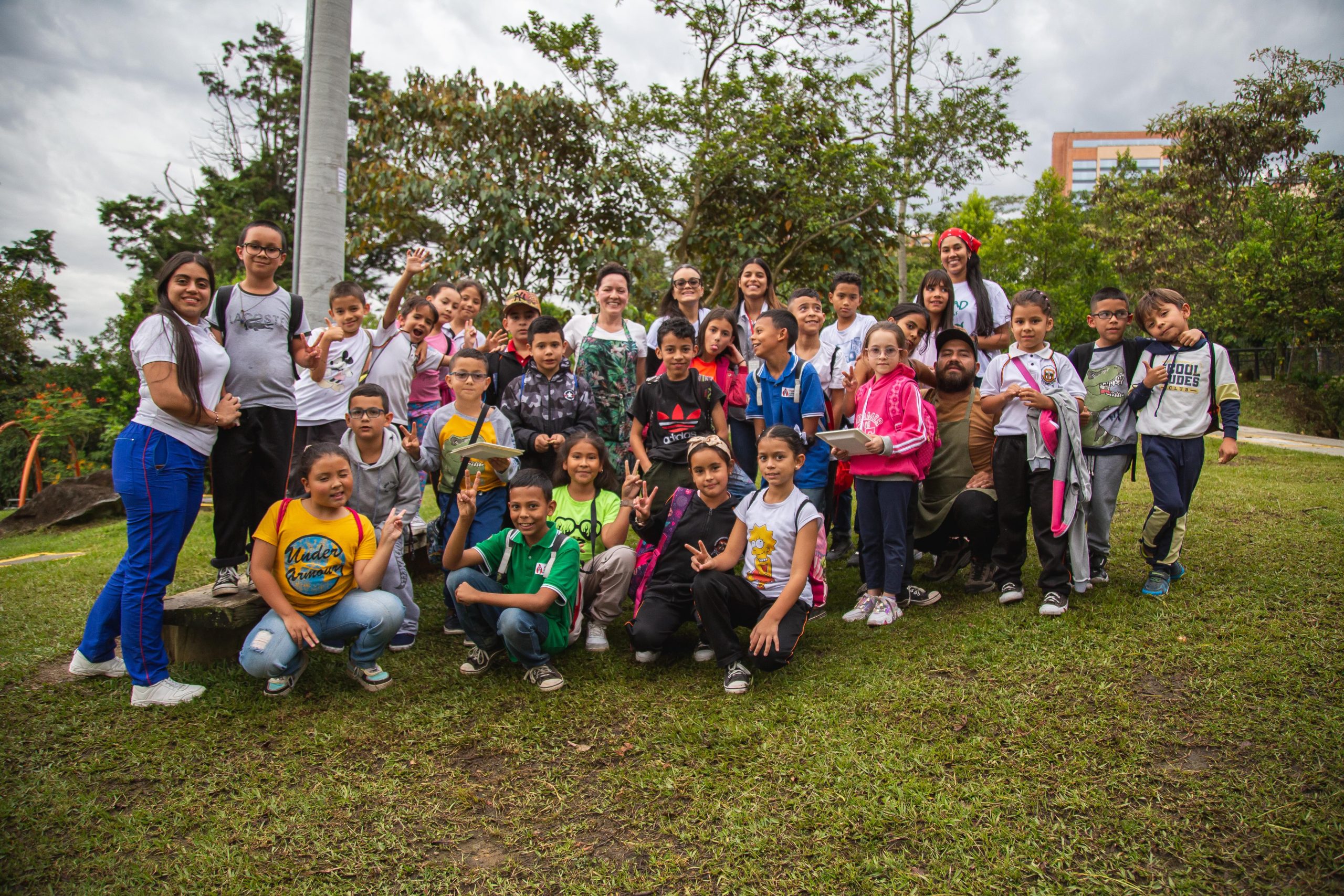
Photos of the city of children 2022