

The City of Boys and Girls 2024
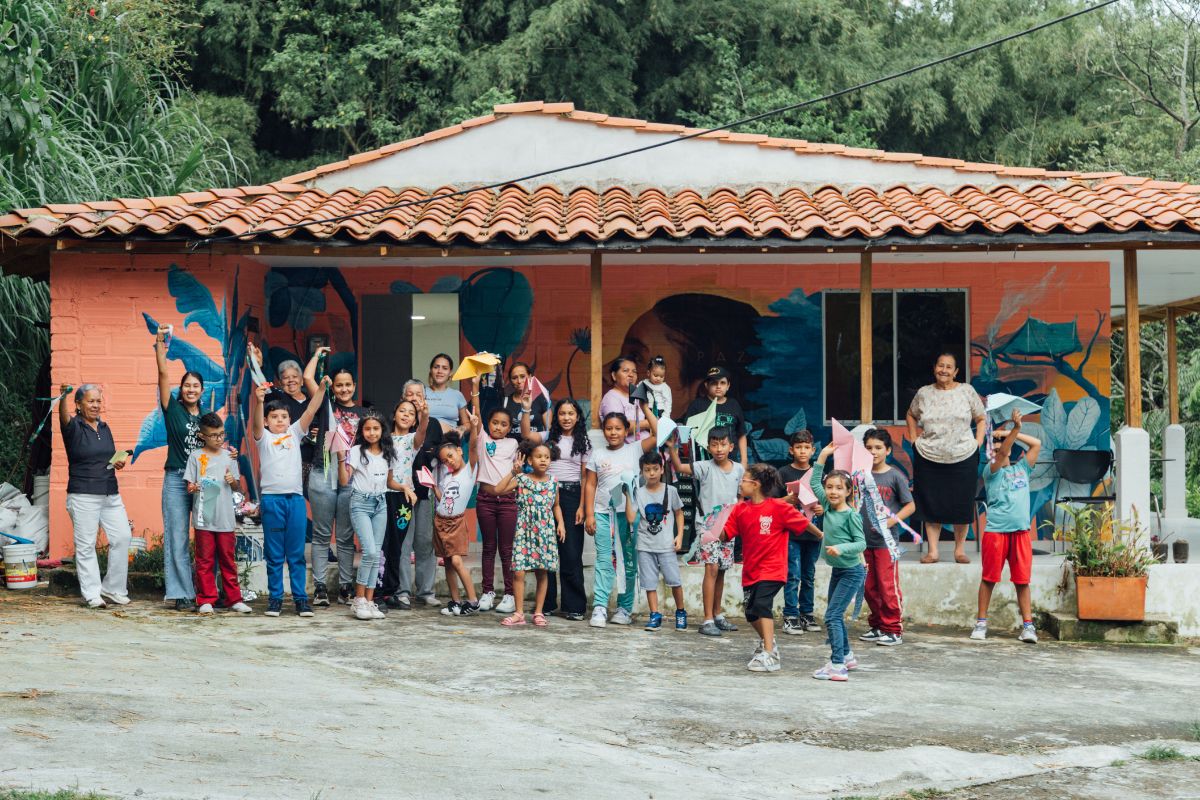
The Museum of Modern Art of Medellín, in partnership with Bancolombia and in collaboration with social, educational, and cultural institutions in Medellín, has been developing the “City of Children” program since 2008. Inspired by the ideas of the Italian educational psychologist Francesco Tonucci, the program aims to promote children’s autonomy and participation in the city.
Its purpose is to recognize children as active citizens, owners and creators of their territories; to promote their voices, their stories, and their sense of wonder; and to create the aesthetic and creative conditions for experimenting with contemporary art. This exploration encourages children to reflect on their surroundings, their emotional experiences, and to reaffirm the importance of their dreams.
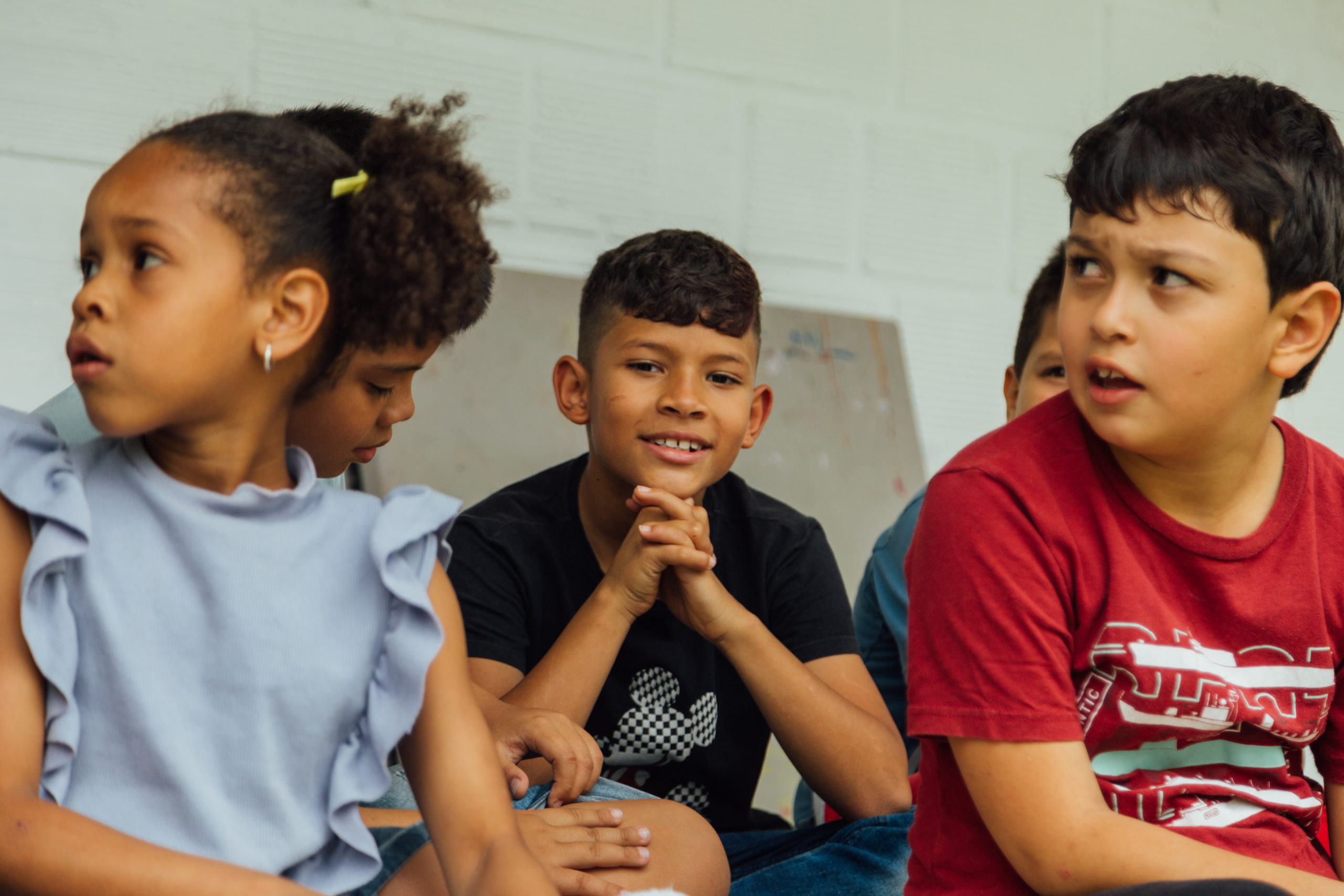
Participants
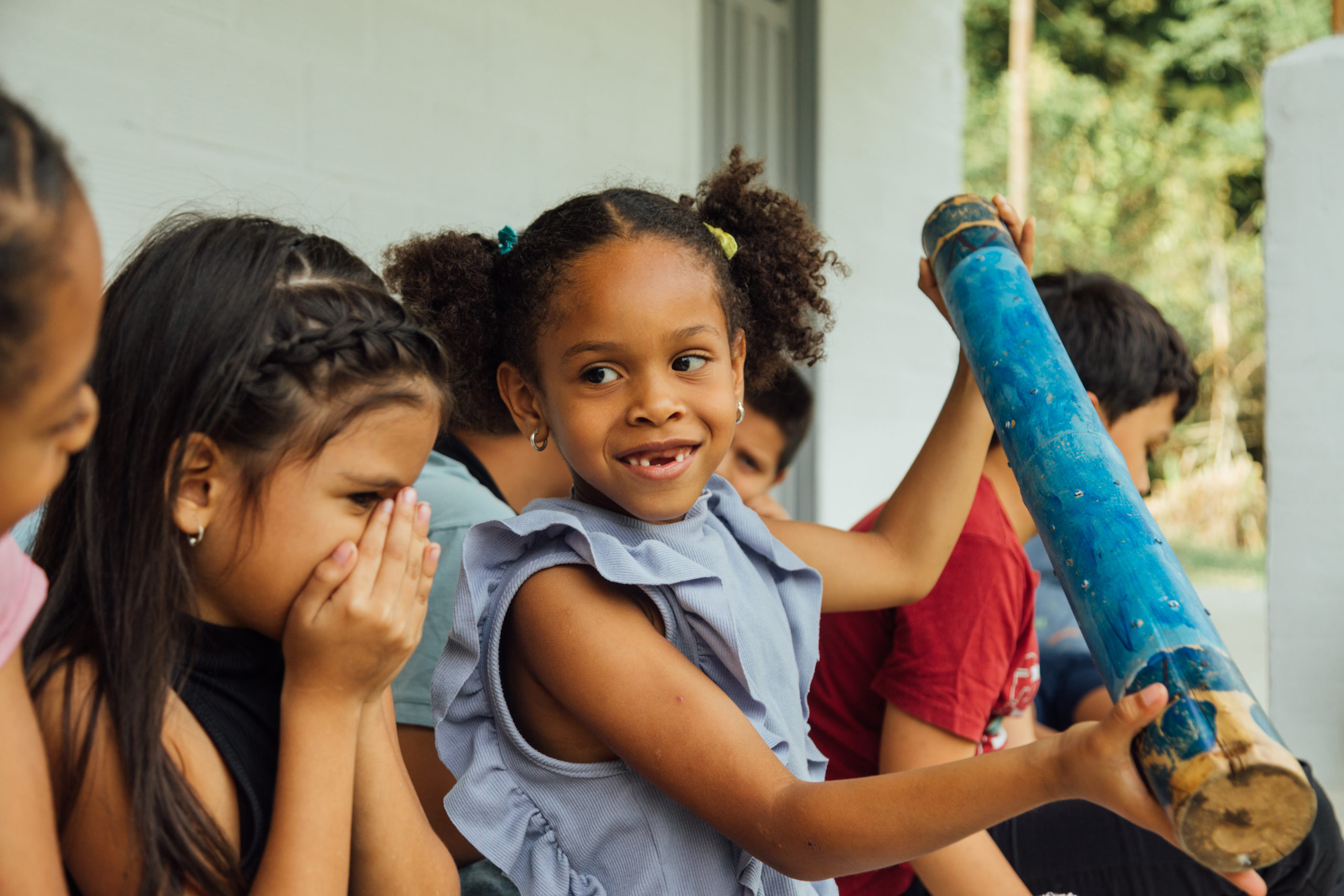
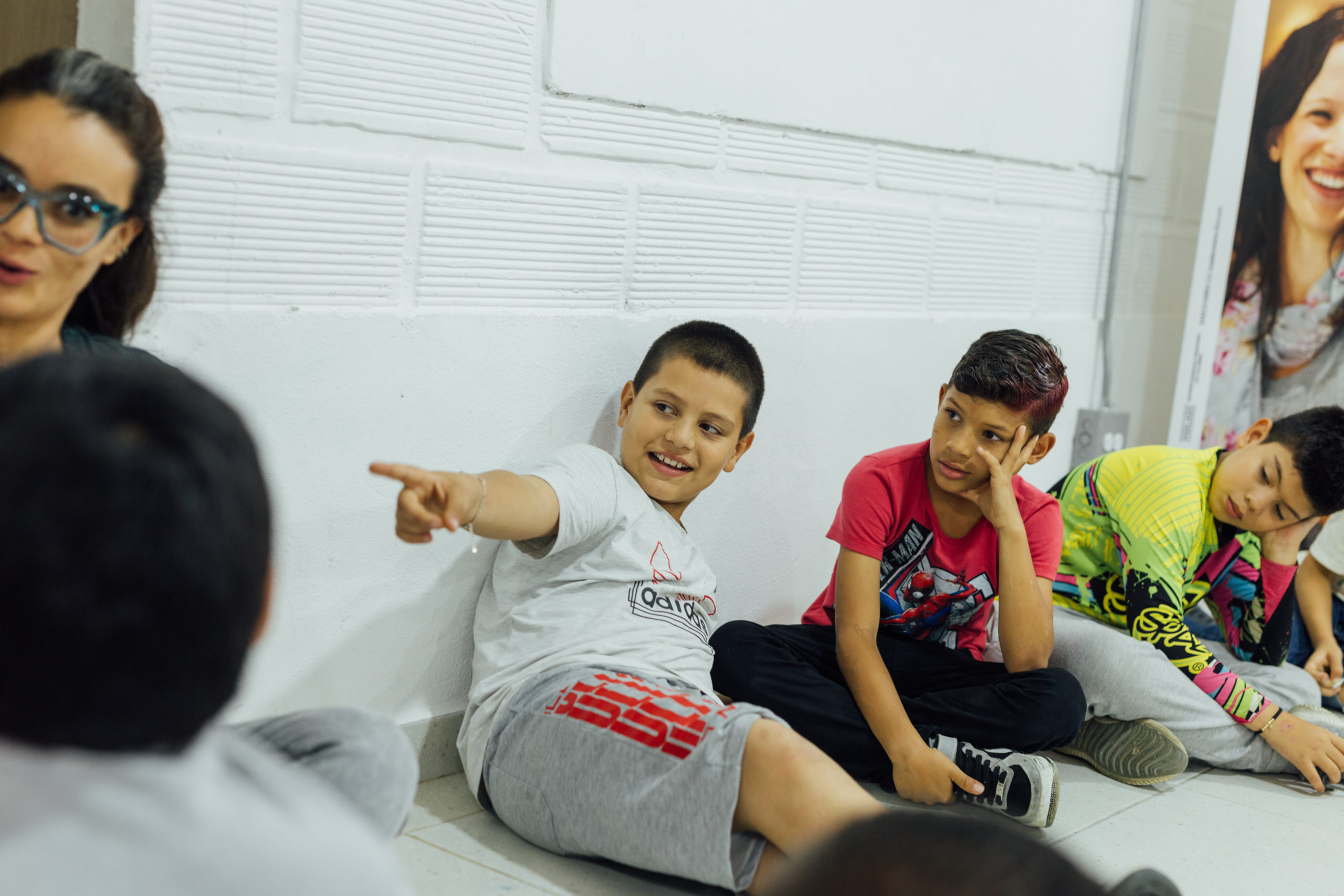
Currently, the workshops are held in three neighborhoods of the Metropolitan Area, with 110 children and young people, between the ages of 7 and 15, connected to foundations with a long history in each area: Funaya in San Antonio de Prado (La Florida and El Limonar villages), El Hormiguero in El Pedregal village of Itagüí, and Somos por Naturaleza in Manrique La Honda.
The 2024 Experience: Bioart, Nature, and Territory
This year, the program explores the theme of cycles, kingdoms, and forms of life. From a bioart perspective, it seeks to establish creative dialogues between nature and the community, both to recognize the interdependent bonds that unite us and to promote more respectful forms of interaction and cooperation among the different species with which we share the world.
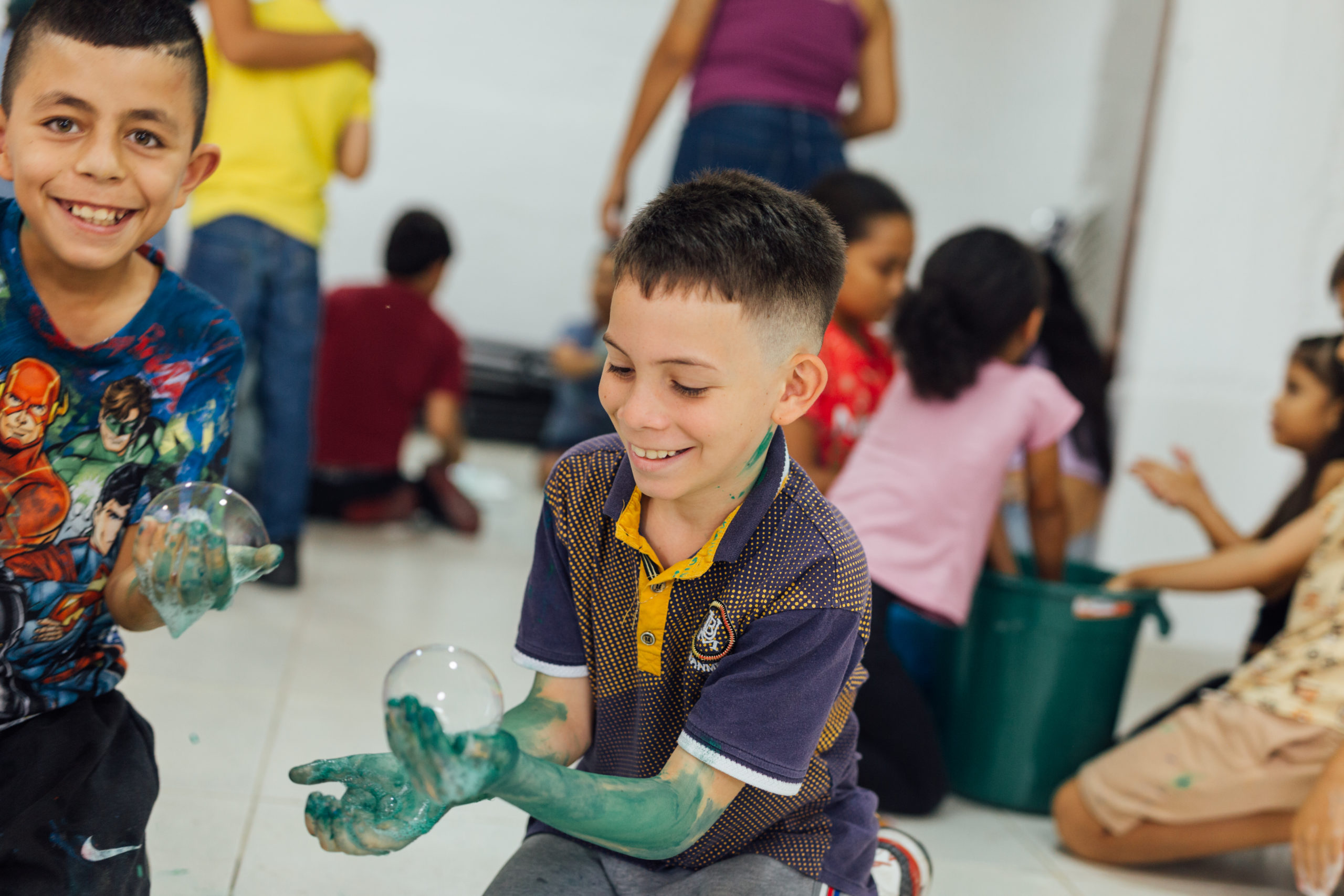
Water, earth, animals, and the subtle elements of nature that can be incorporated into a work of art are some of the materials with which we begin this adventure. We have explored various activities, including observation, drawing, culturing bacteria and fungi, microscopic and macroscopic visualization, and creating natural collages. Integrating different kingdoms, we have discovered new forms, colors, and textures as a way to connect with the earth and all the beings that inhabit it. We have also addressed other themes relevant to human and animal life, such as migration, metamorphosis, cycles, death, and the transformation of matter.
Furthermore, we have created “Humanimals”: humans with animal characteristics. Through these creations, children identify their own and external traits and qualities that allow for the emergence of unique beings. These beings are given different powers to serve the community, which has been used as a pedagogical resource to recognize animality as a familiar behavior through which we inhabit, explore, and build our environment, our city.
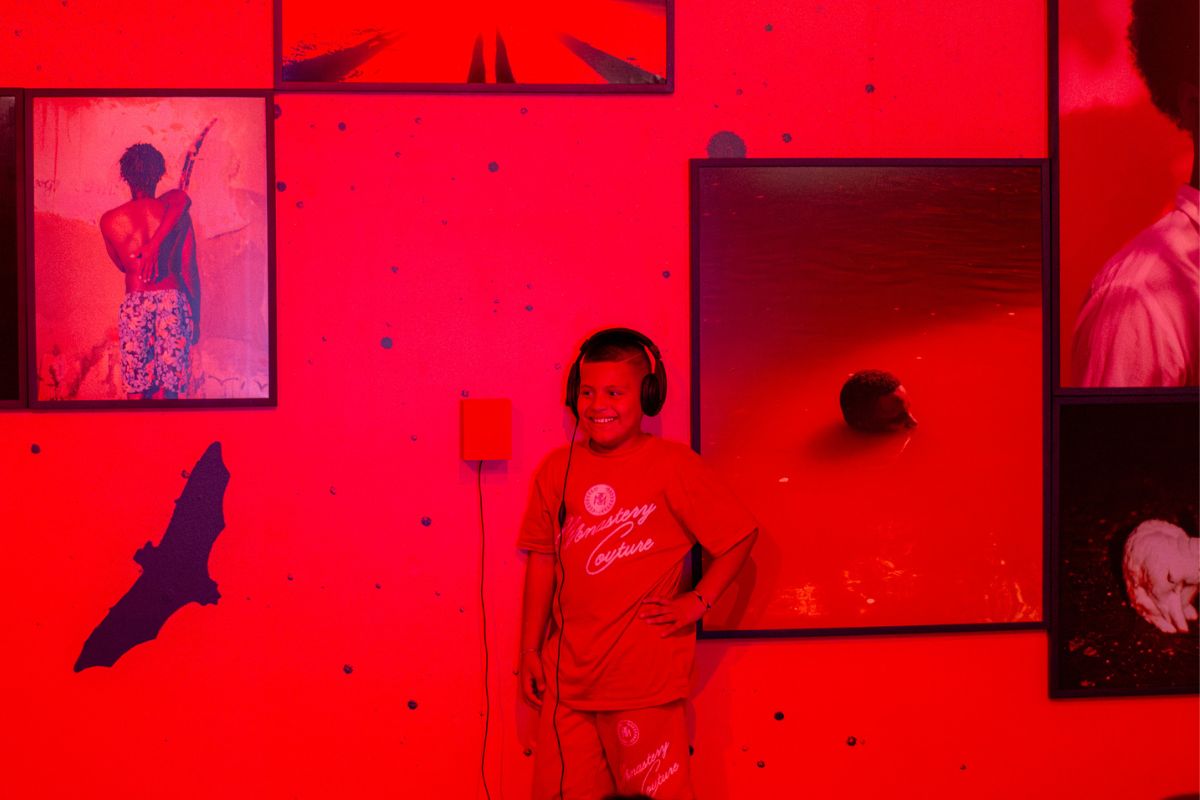
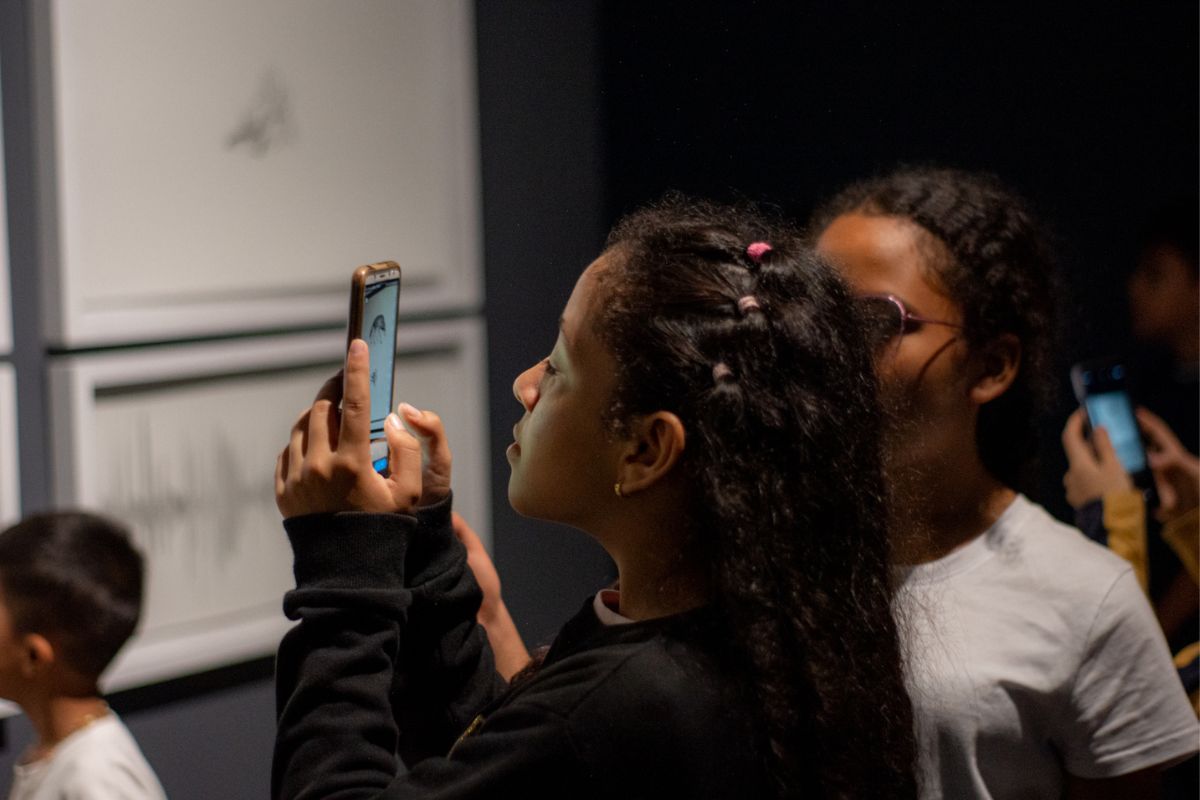
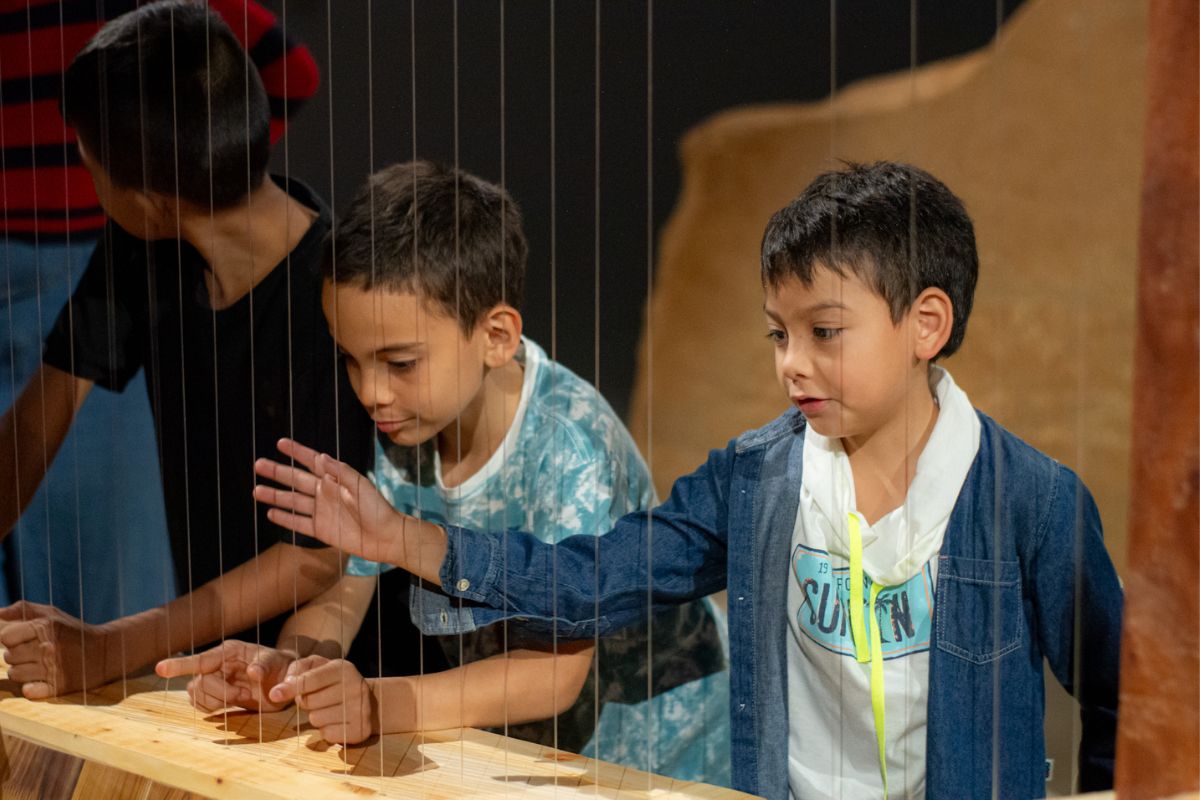
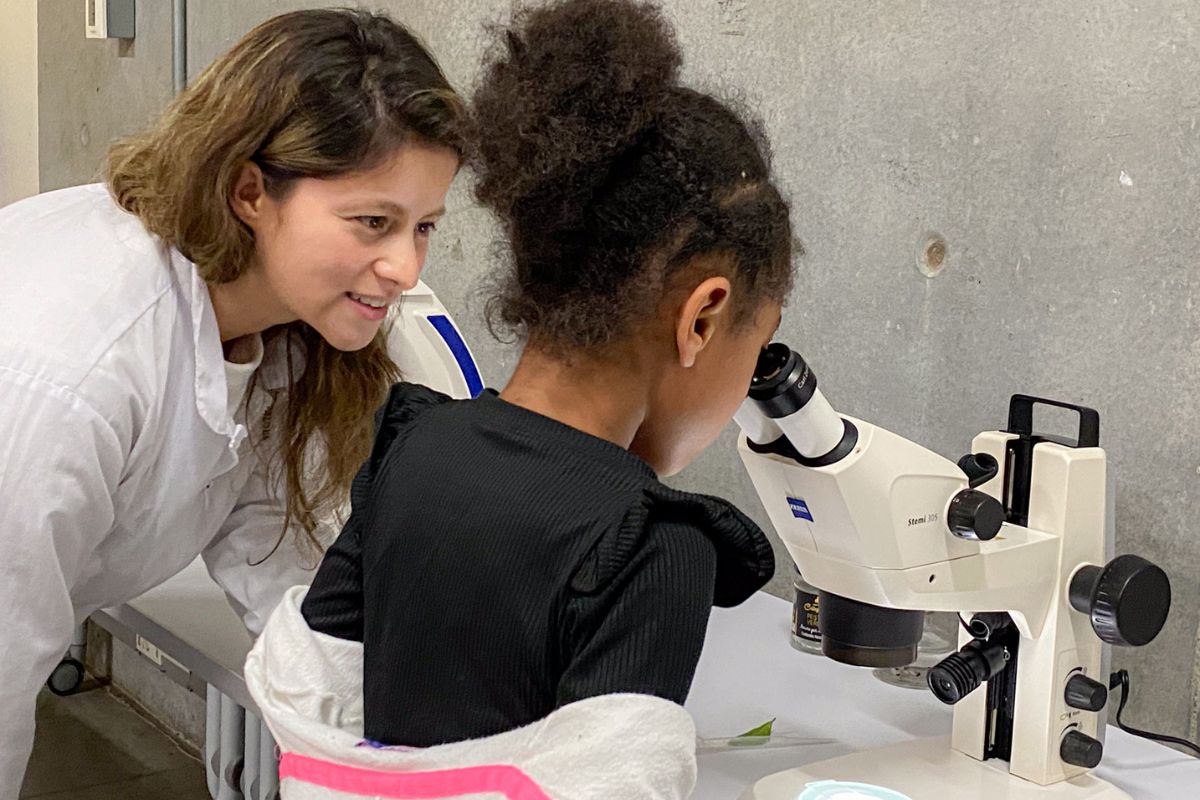
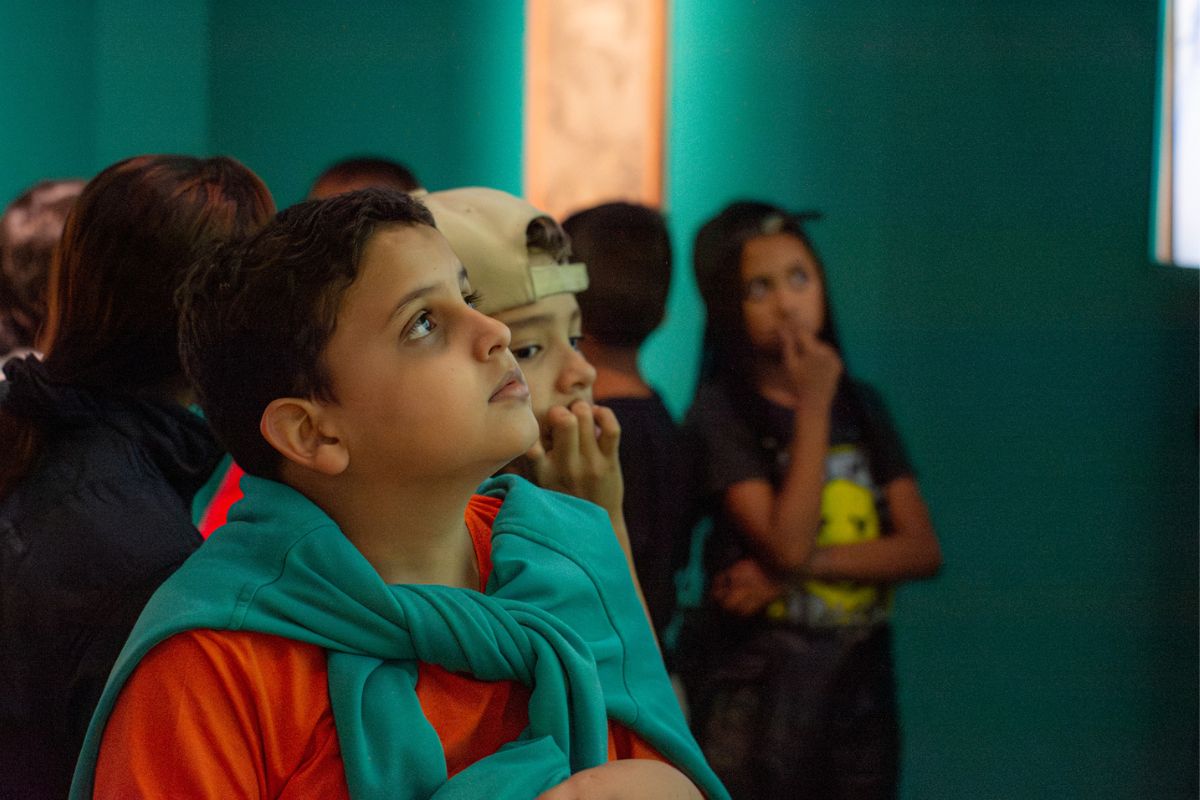
This has been a year for the program to expand upon the diverse notions of art and science, placing them at the service of the participants’ curiosity, playfulness, and spontaneity. This has been achieved by fostering independent research, disruptive scientific methods and hypotheses, and a constant drive to learn more, to better understand and care for ourselves.
By playing at being scientists and artists, we have explored microbiological universes that, due to their minute size, seemed distant. Through these explorations, we have gained valuable knowledge, demonstrating, with magnifying glasses and microscopes in hand, that the grandeur of life lies within the tiniest particle—a complex array of shapes, colors, and textures that constitute everything around us. From this foundation, the children have been able to create their own works of art.