



May 18, 19, 20, and 21, 1981
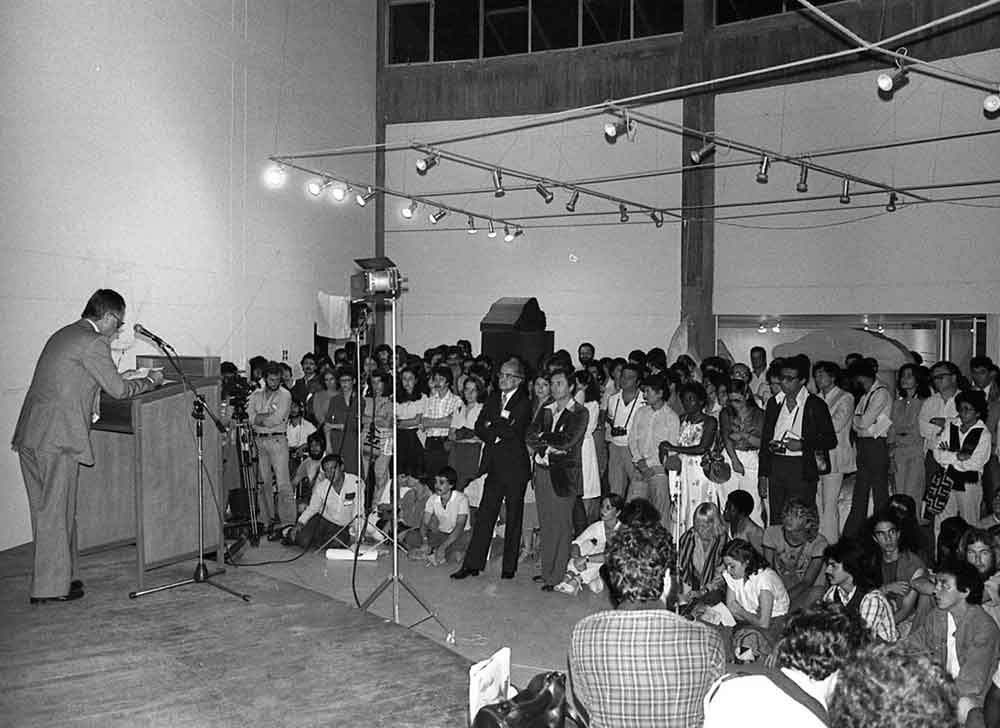
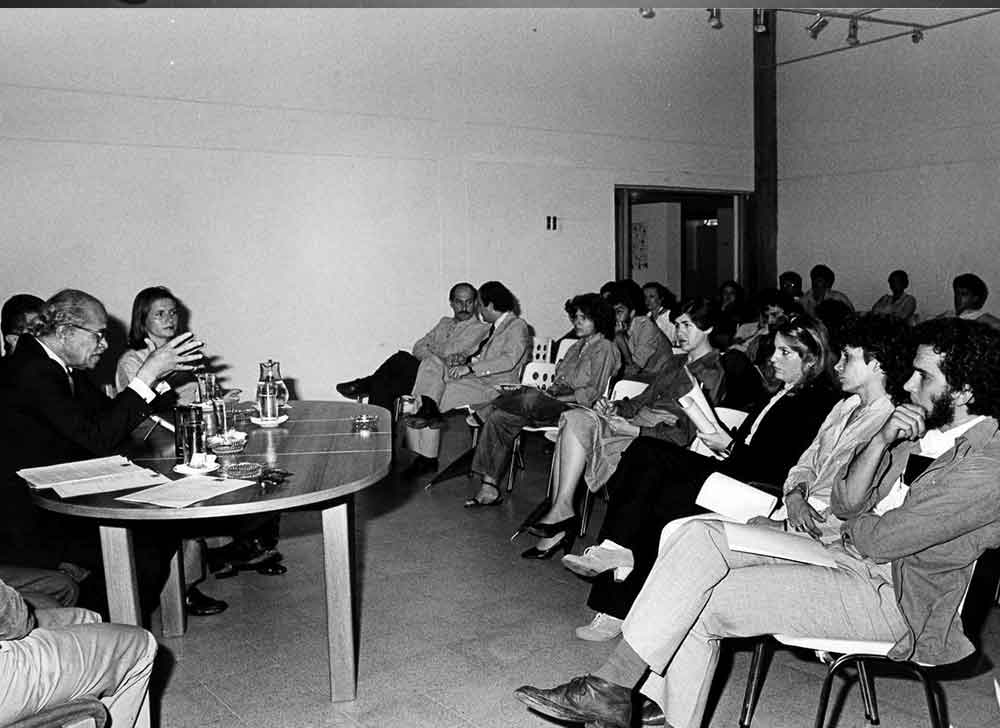
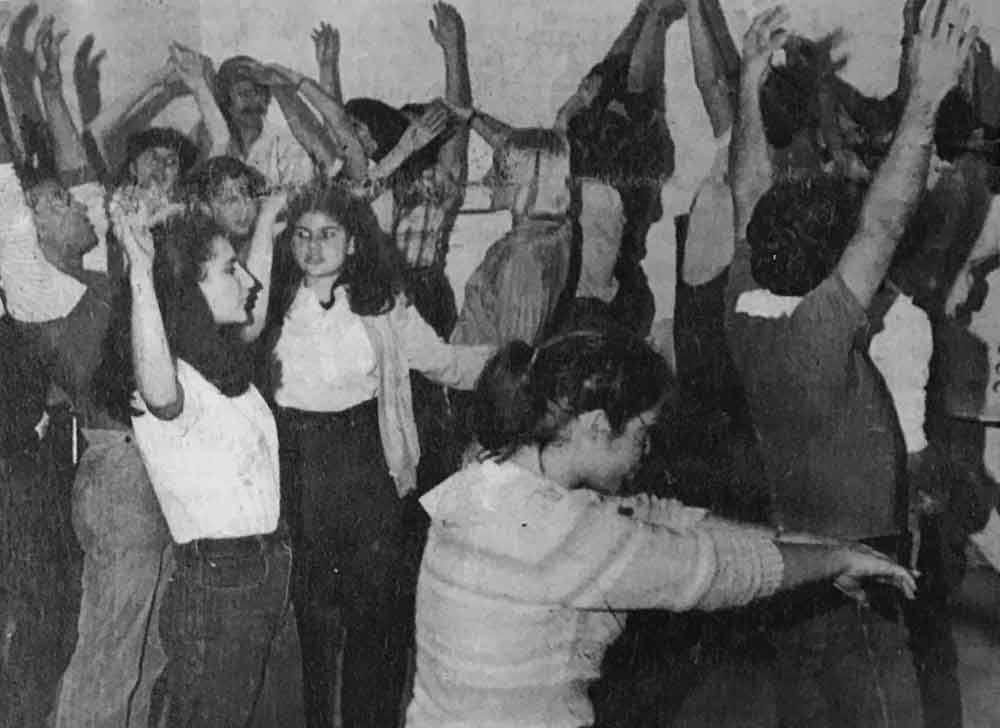
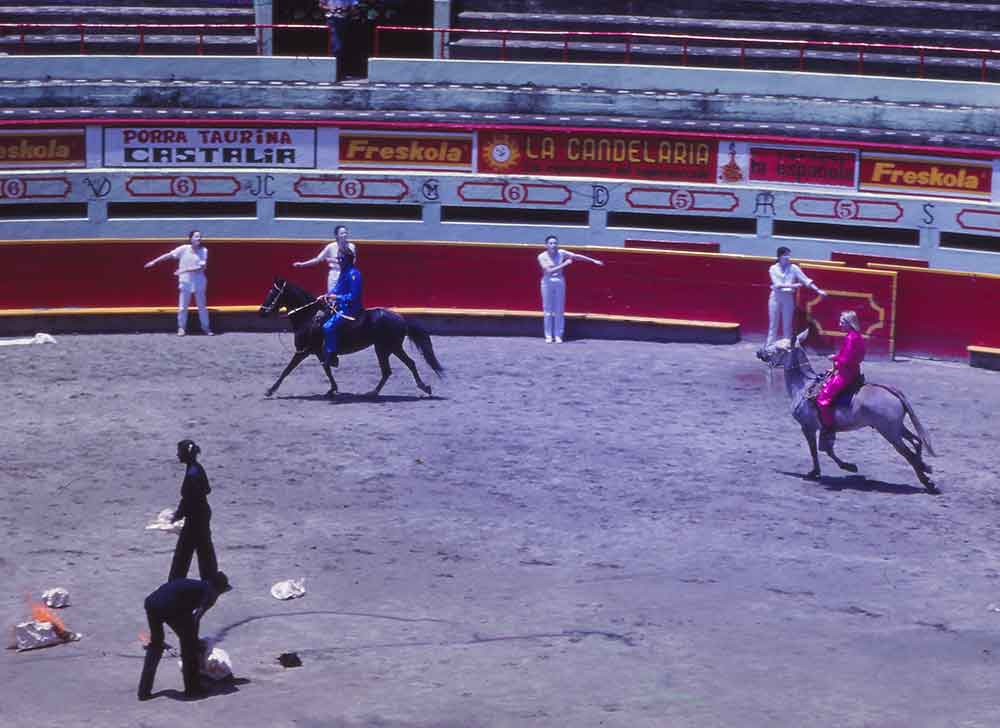
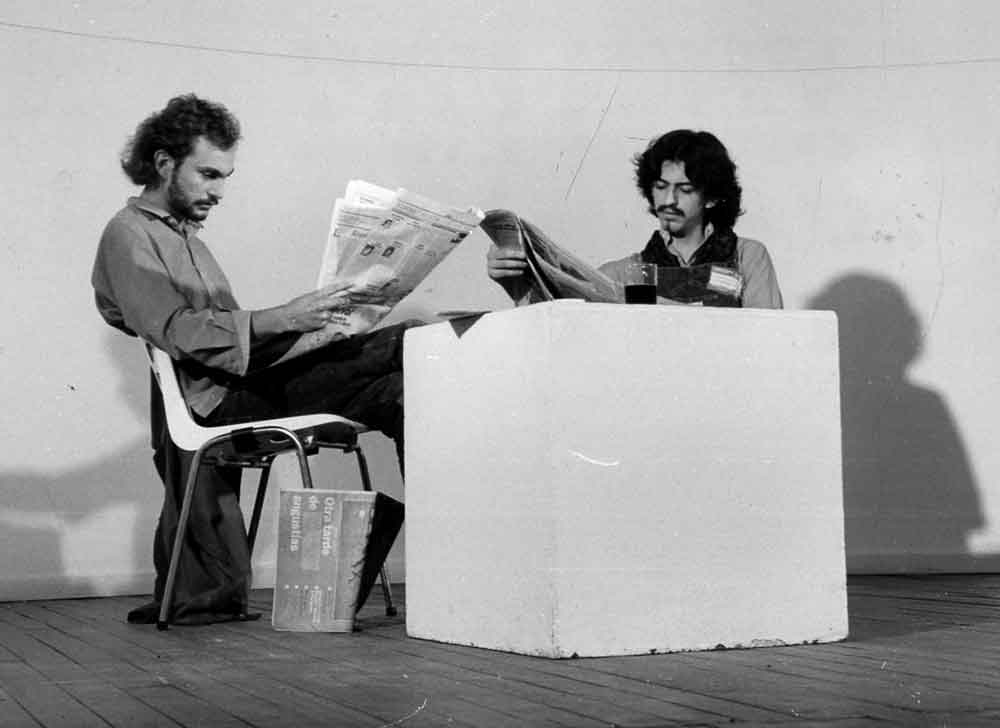
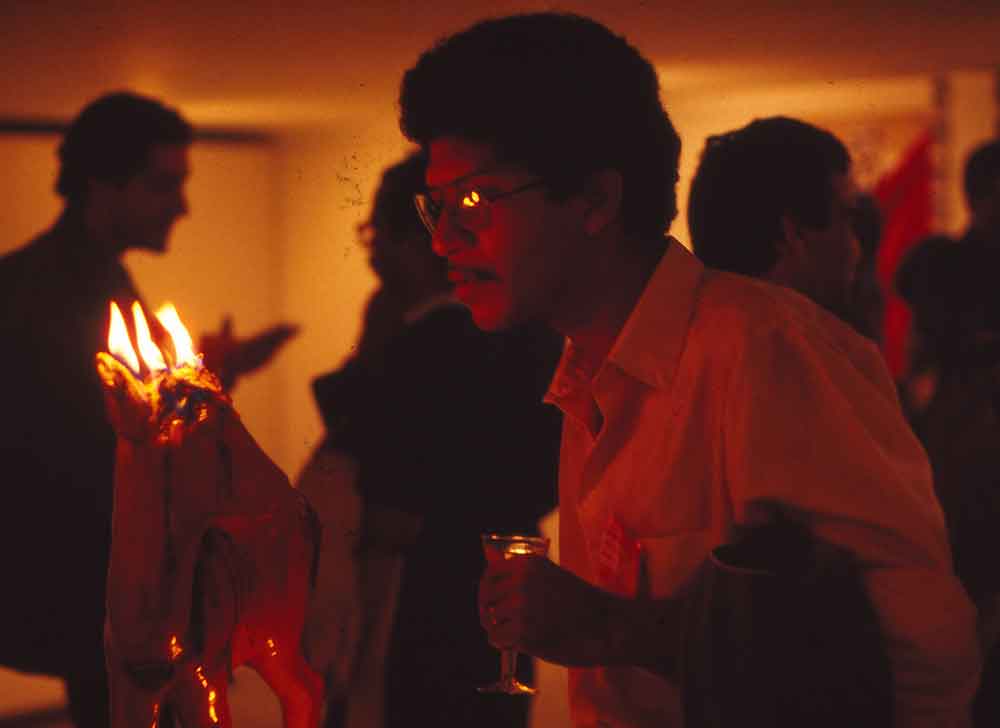
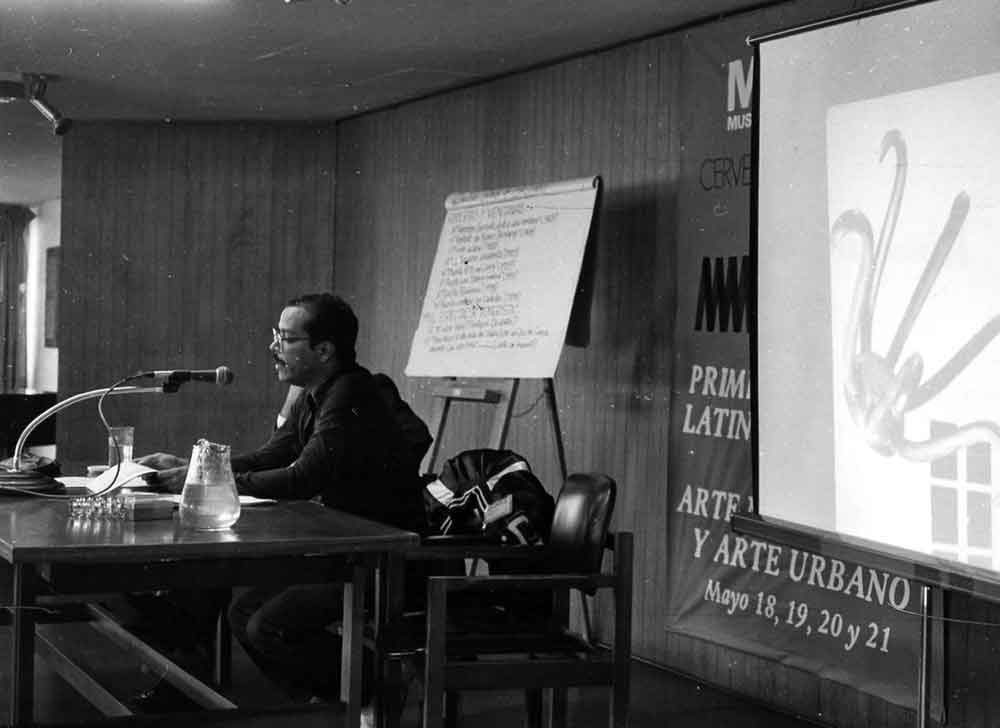
Just one year after its inauguration, the Museum held the First Latin American Colloquium on Non-Objective Art and Urban Art in May 1981. For four days, critics and academics debated non-objectualism, a term coined by the Peruvian critic Juan Acha to characterize the art being produced in Latin America in an attempt to establish an identity within the global art scene. Non-objective art questioned the artwork as an object and linked art to the Latin American social and cultural context. With the Colloquium, the Museum sought to organize an event that responded to what was happening in Medellín after the Coltejer Biennials; it attempted to reconnect the city with the rest of the continent’s artistic landscape and, as Juan Acha suggests, to map the Latin American avant-garde.
The Colloquium was organized in parallel with the IV Medellín Biennial, an effort to revive the Coltejer Biennial of a decade earlier, which reaffirmed figurative and representational art in painting, drawing, and sculpture through critical discussion by internationally renowned figures such as Jorge Romero Brest, Pierre Restany, and the Argentine-Colombian critic Marta Traba.
Both events featured top-level critics who had the opportunity to confront their ideas, as the discussions at each—the IV Biennial, under the direction of Leonel Estrada, and the Colloquium—were diametrically opposed. One of the most reluctant to Juan Acha’s proposals was Marta Traba, who advocated for the return to painting proposed by the IV Biennial, even though just a few decades earlier she had introduced the country to the work of artists who considered performance, installation, and process art among their most significant working tools.
With this event, the MAMM reaffirmed its commitment to fostering cutting-edge discussions and keeping pace with developments in contemporary art.
One of its founding principles was to serve as a space for research and knowledge generation, something clearly reflected in the Colloquium. The presence of academic discourse at the event was significant for Latin American art, as the works found validation in the discussions surrounding the exhibition, within the circuit that included critics, curators, academics, and artists. The Colloquium allowed the Museum to position itself as a space for critical debates on contemporary art and to influence a generation of emerging artists who would begin experimenting with representational strategies that broke with the established tenets of modern art in the country.
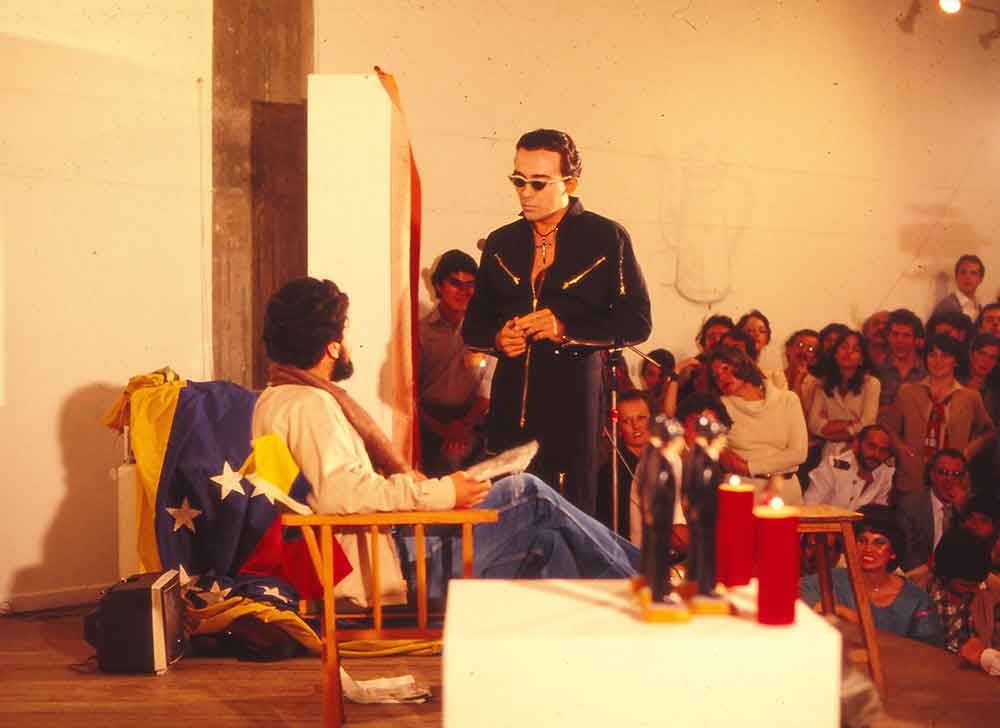
Among the participants in the critical discussion were Mirko Lauer, Rita Eder, Néstor García Canclini, Álvaro Barrios, Nelly Richard, and Emilio Souza. But the Colloquium was not only a forum for debate among critics and academics; an exhibition brought these discussions to life. The exhibition featured the work of artists Felipe Ehrenberg (Mexico), Cildo Meireles (Brazil), Manuel Felguérez (Mexico), Carlos Zerpa (Venezuela), the No-Grupo (Mexico), Adolfo Bernal (Colombia), Ana Mendieta (Cuba), Marta Minujín (Argentina), Teresa Burga and Marie-France Cathelat (Peru), and the SITE group (USA), comprised of James Wines, Allison Sky, Michelle Stone, and Emilio Souza.
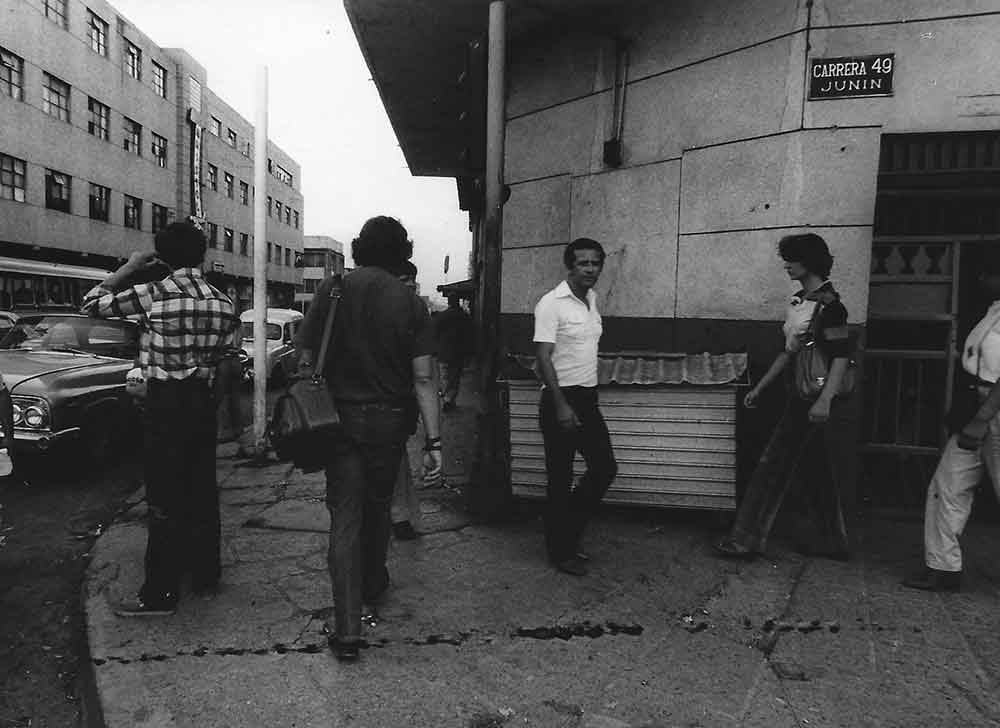
According to Juan Acha, considering art from a non-objective perspective allowed for the creation of connections between art and everyday life. This notion is closely linked to the vision of “a living museum,” which the founding members repeatedly championed. For Acha, creating links between art and everyday life also forges a series of relationships with other creative fields such as urban art and design. The exploration of these relationships between art and design, and between art and the urban environment, would be fundamental axes in the development of programs and content during the Museum’s first phase at the Carlos E. Restrepo location: “[…] in ’81 [1981] we talked about non-objective art and we talked about urban art, and that is the Museum’s great commitment,”* says Alberto Sierra, founding partner who was in charge of curatorial processes and everything related to communication, design, and exhibition installation for a significant part of the Museum’s history.