

1989
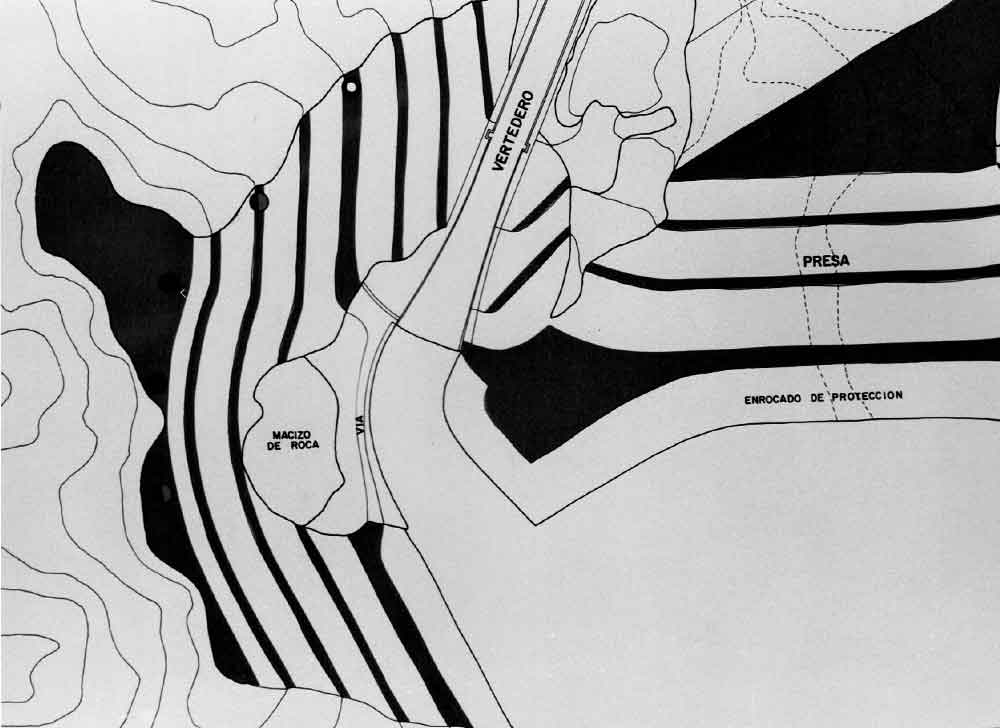
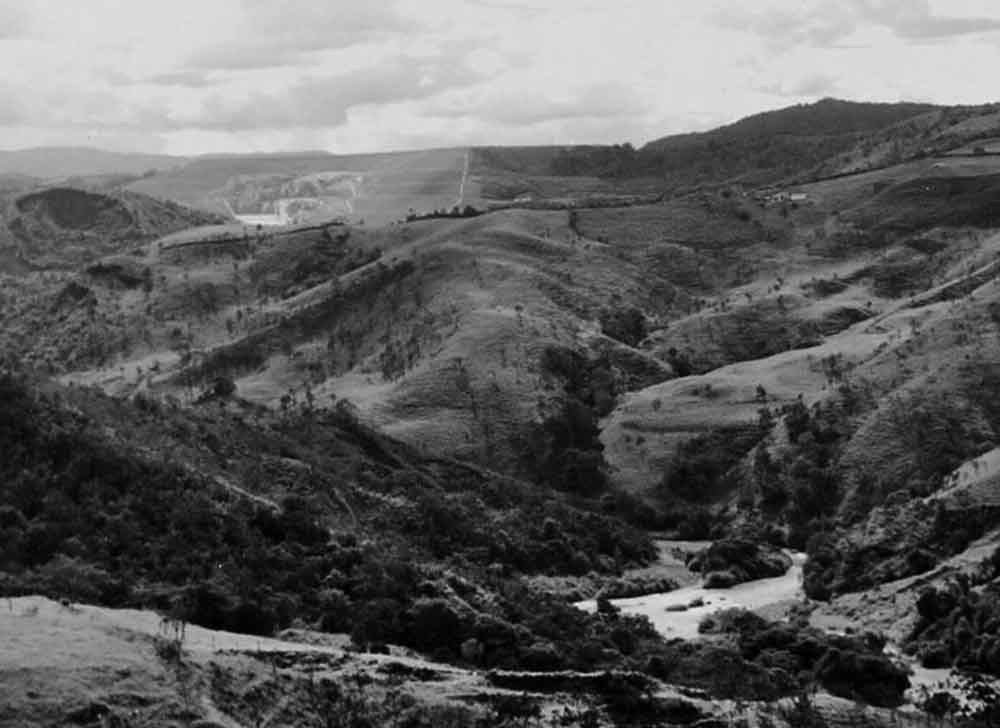
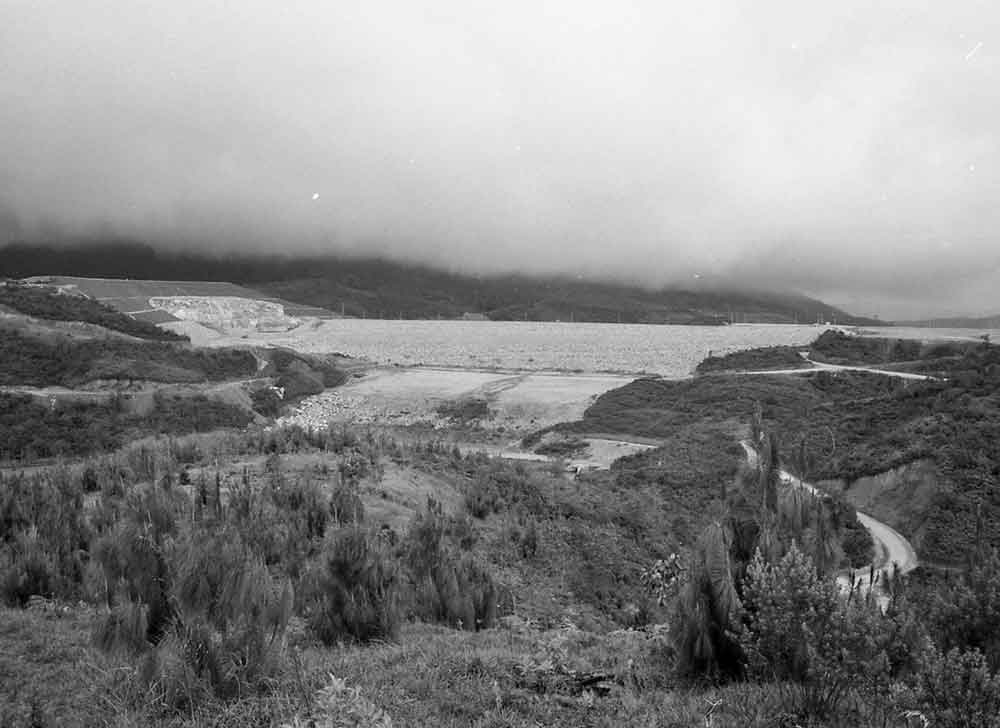
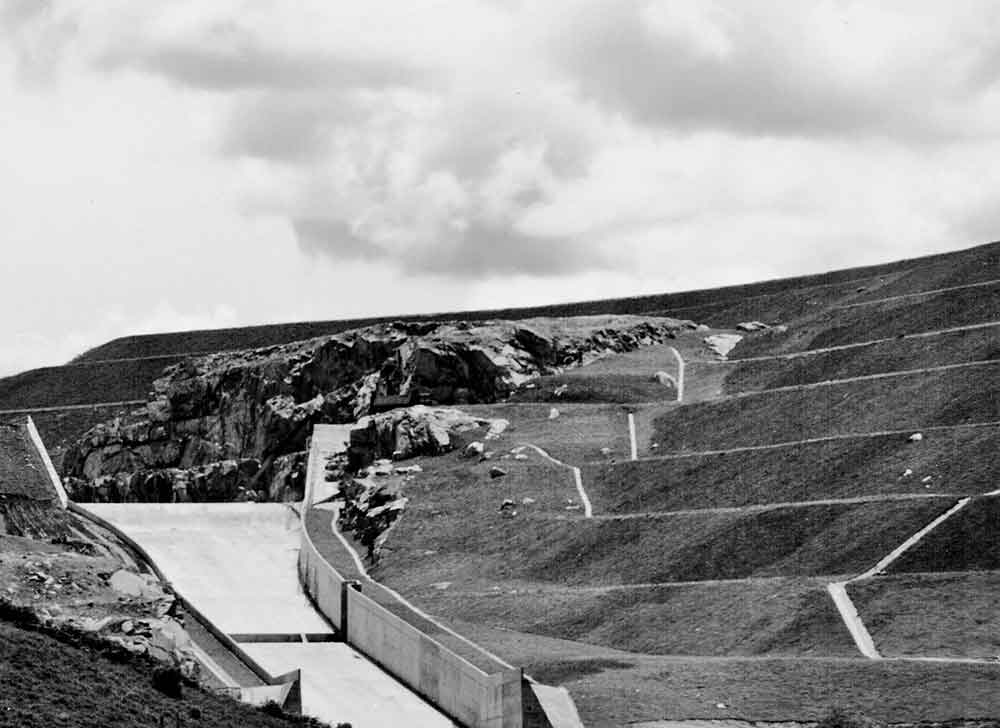
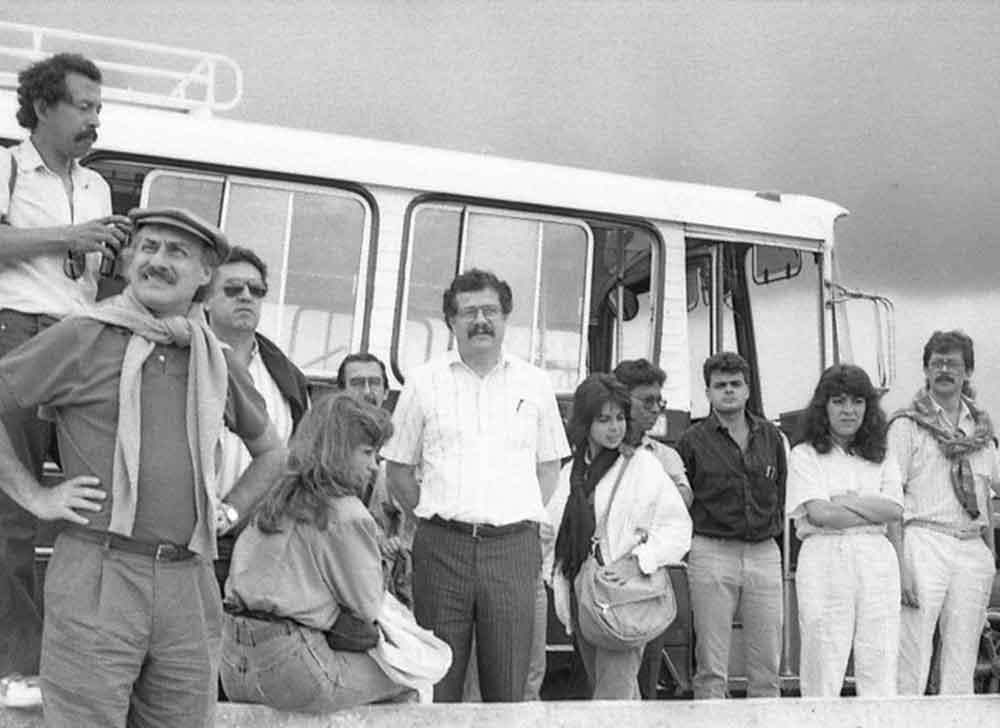
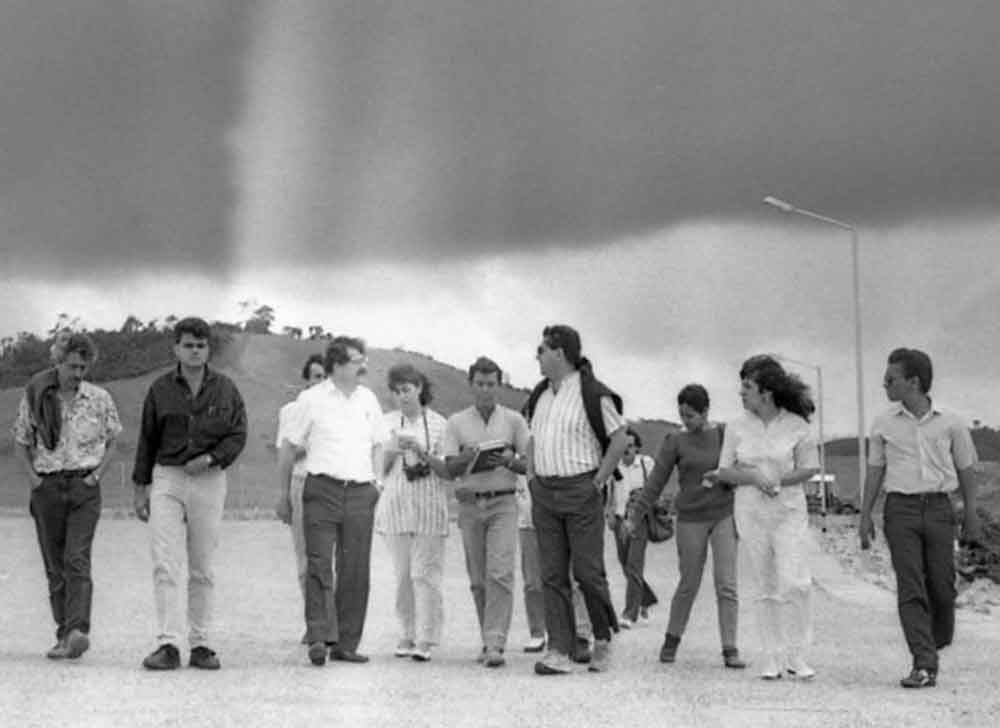
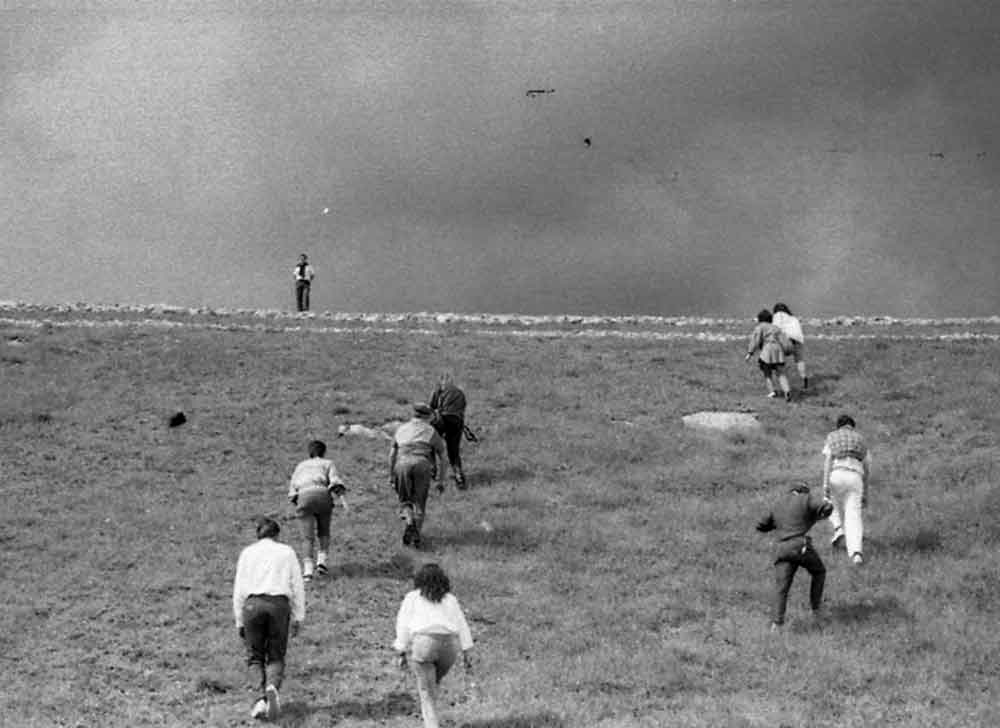
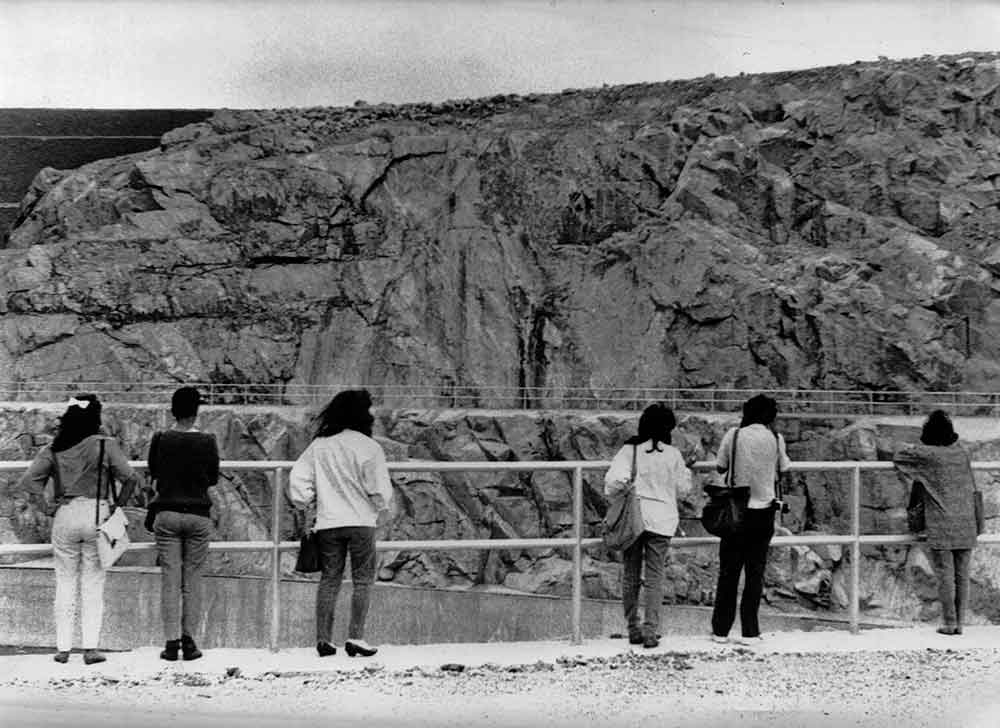
Toward the end of the 1980s, Empresas Públicas de Medellín led the Riogrande II project in order to secure the supply and demand of the Medellín metropolitan aqueduct for the following decades, as well as to generate energy for the Valle de Aburrá through a hydroelectric plant that would take advantage of the altitude difference between the highlands of the Río Grande and the Valle de Aburrá. Riogrande II not only sought to be an engine for water and energy supply in Antioquia, but also aimed to create a park around the reservoir.
With the support and direction of the Museum, the Concurso Nacional de Arte Riogrande II open call was created for Colombian artists, who were required to propose a large-scale intervention based on the relationship between art and engineering. From the total proposals, ten were selected to articulate the park, something similar to what the Museum had already done in 1983 with the Sculpture Park at Cerro Nutibara. The competition had the participation of 71 Colombian artists, among whom notable names include Doris Salcedo, Miguel Ángel Rojas, Luis Fernando Peláez, Hugo Zapata, Ronny Vayda, Jorge Julián Aristizábal, Jorge Ortiz, John Castles, Adolfo Bernal, Grupo Utopía, Antonio Caro, María Teresa Cano, Bernardo Salcedo, Álvaro Marín, Juan Camilo Uribe, and Juan Fernando Herrán, all of them with significant participation in contemporary art in Colombia and several of them close to the Museo de Arte Moderno de Medellín, which was already approaching its first decade of operation.
Although the project did not reach its construction phase, it was important because it attempted to promote the creation of artworks that responded to the natural and built environment, because it opened the possibility of thinking about macro infrastructure projects as places that can be intervened through the collective work of artists and institutions, and because it took on the challenge implied by the social and pedagogical vocation of bringing art to the public beyond the Museum’s walls. The broad participation of artists and their proposals made evident the presence and contribution of conceptual and sculptural art in national art, and the strong relationship between art and architecture in the local context, expanding that notion that labeled national art as a “country of painters.”