

The City of Boys and Girls 2025
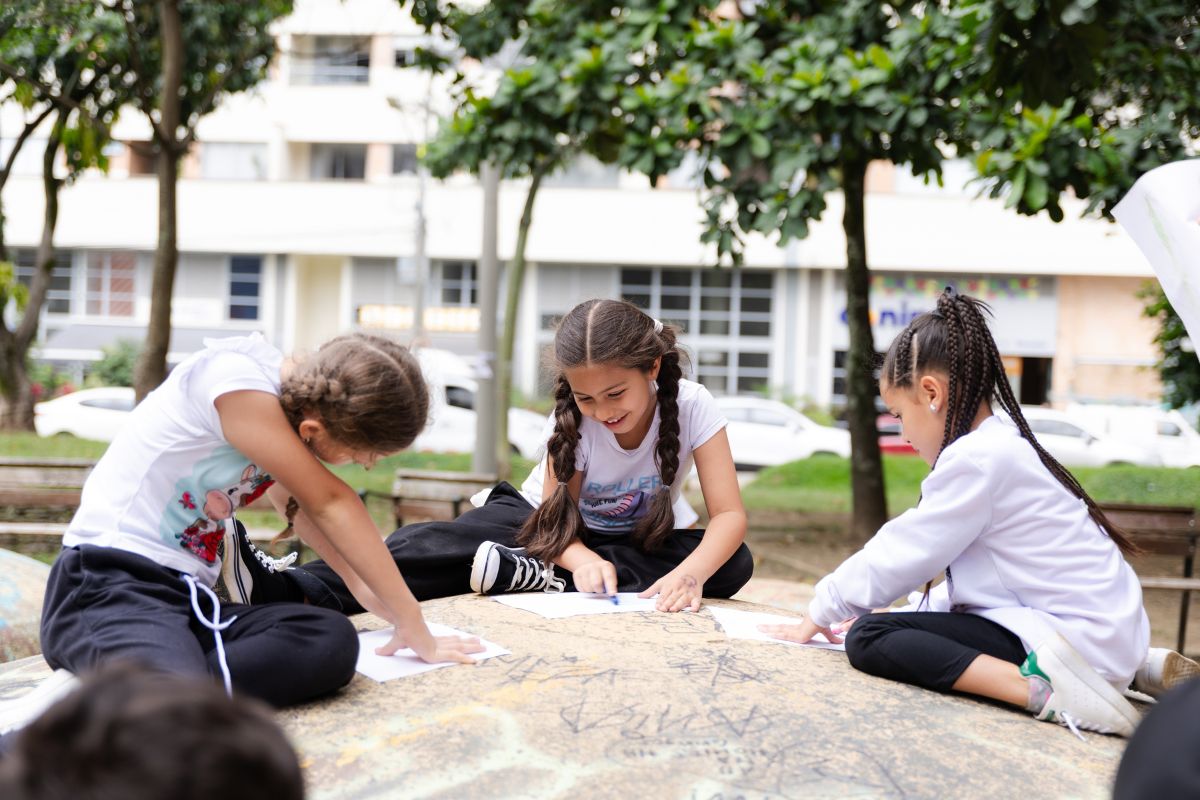
For over a decade, The City of Children has been a constant invitation to imagine other possible worlds from a child’s perspective. In its 2025 edition, the Museum of Modern Art of Medellín, in partnership with Bancolombia and three foundations in the Aburrá Valley, continues to pave the way for art and education to intertwine, strengthening children’s civic engagement and rebuilding the social fabric through creativity, listening, and play.
Inspired by the ideas of the Italian educational psychologist Francesco Tonucci, the program recognizes children as active citizens, bearers of knowledge, emotions, and fundamental ideas for envisioning a more just, compassionate, and inclusive city. Over the years, it has explored profound themes such as the body, territory, identity, death, memory, nature, and food, approached through a pedagogy of wonder and care.
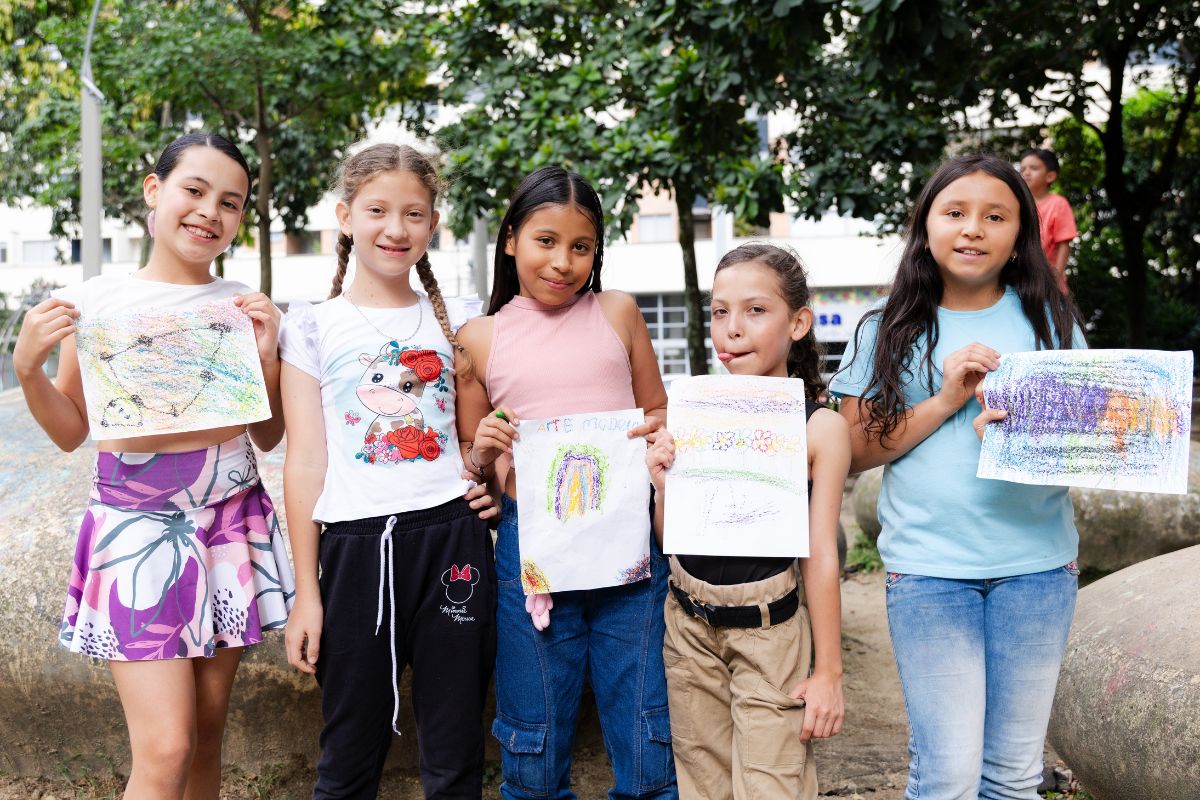
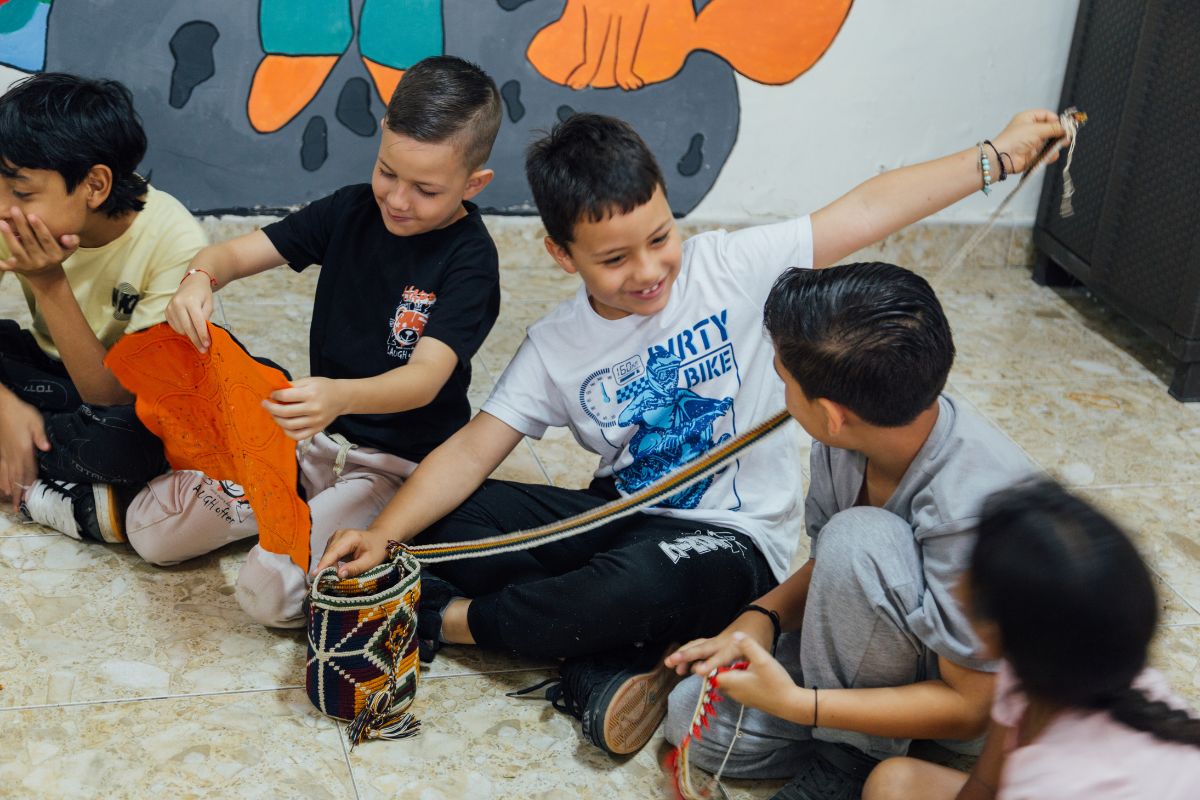
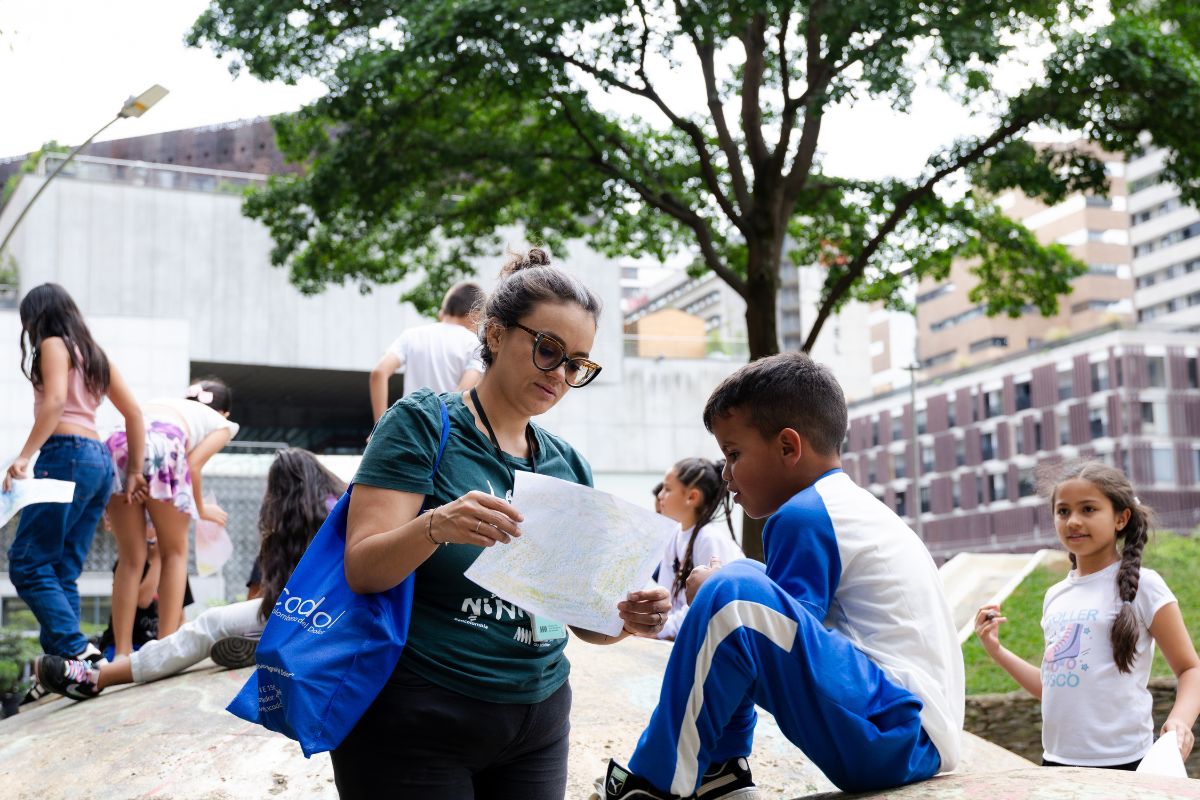
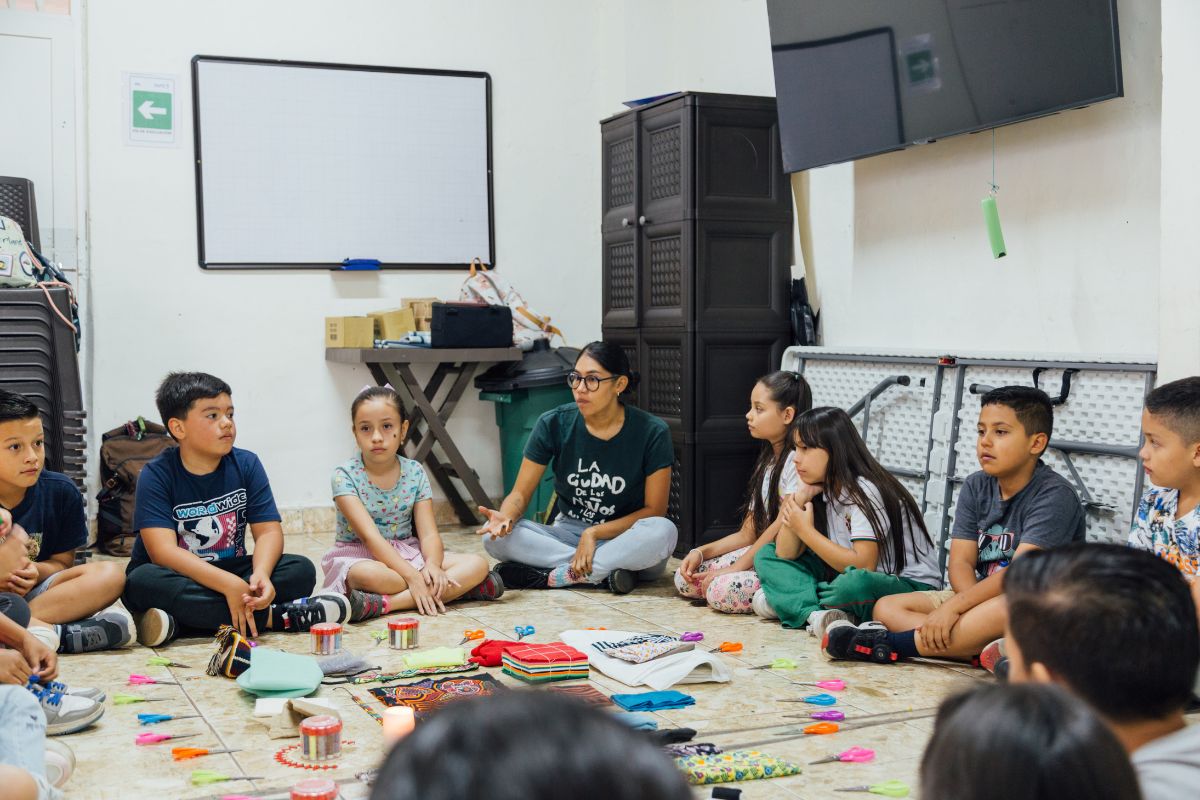
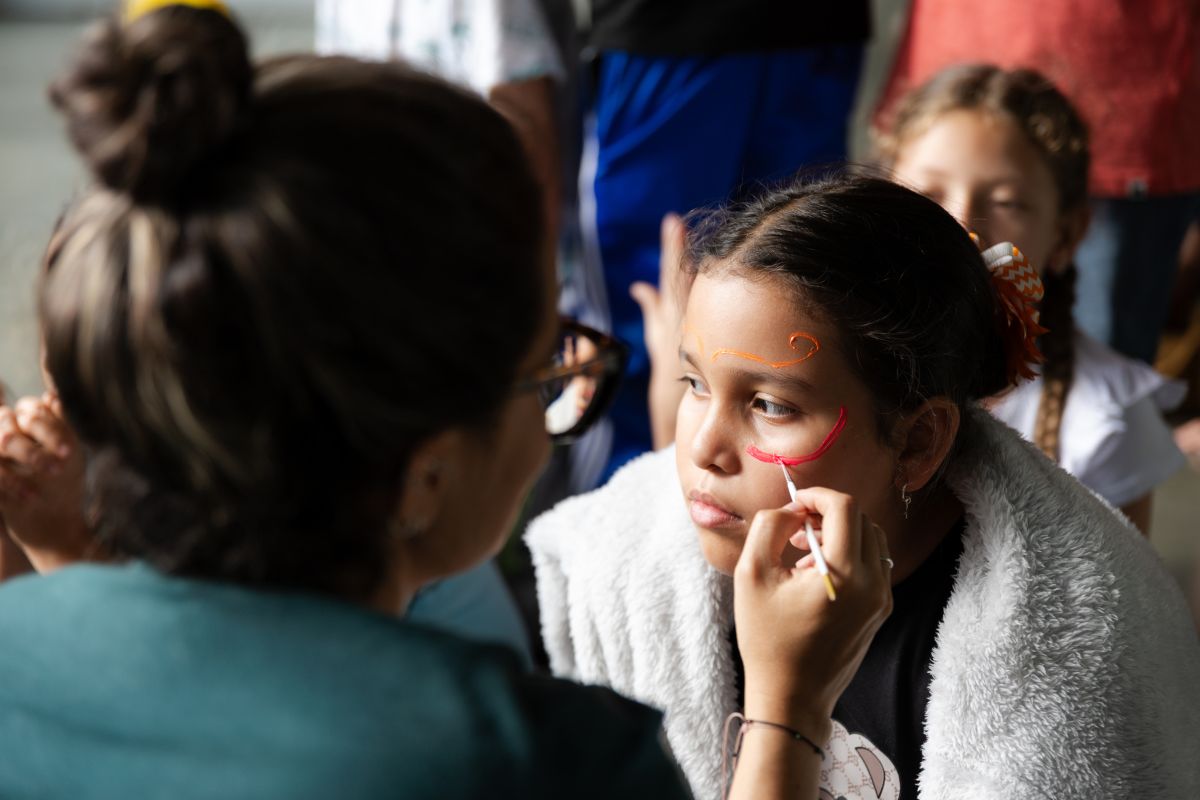
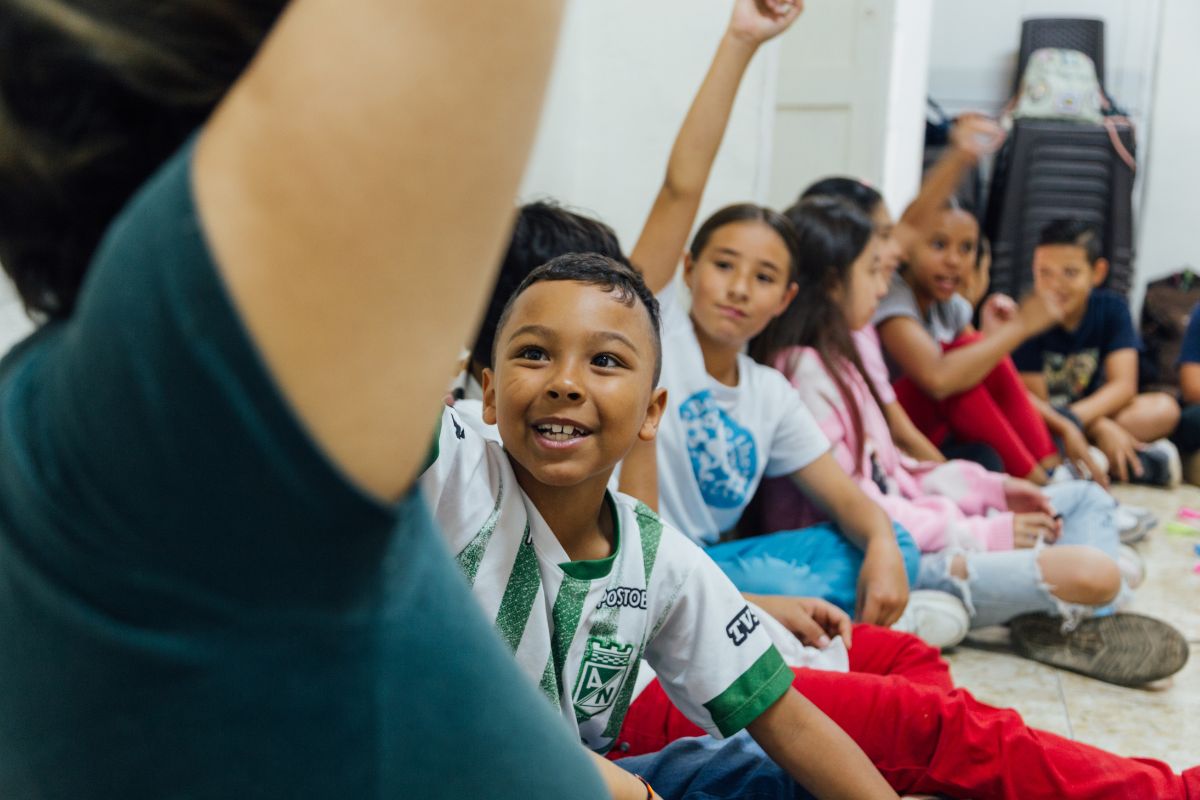
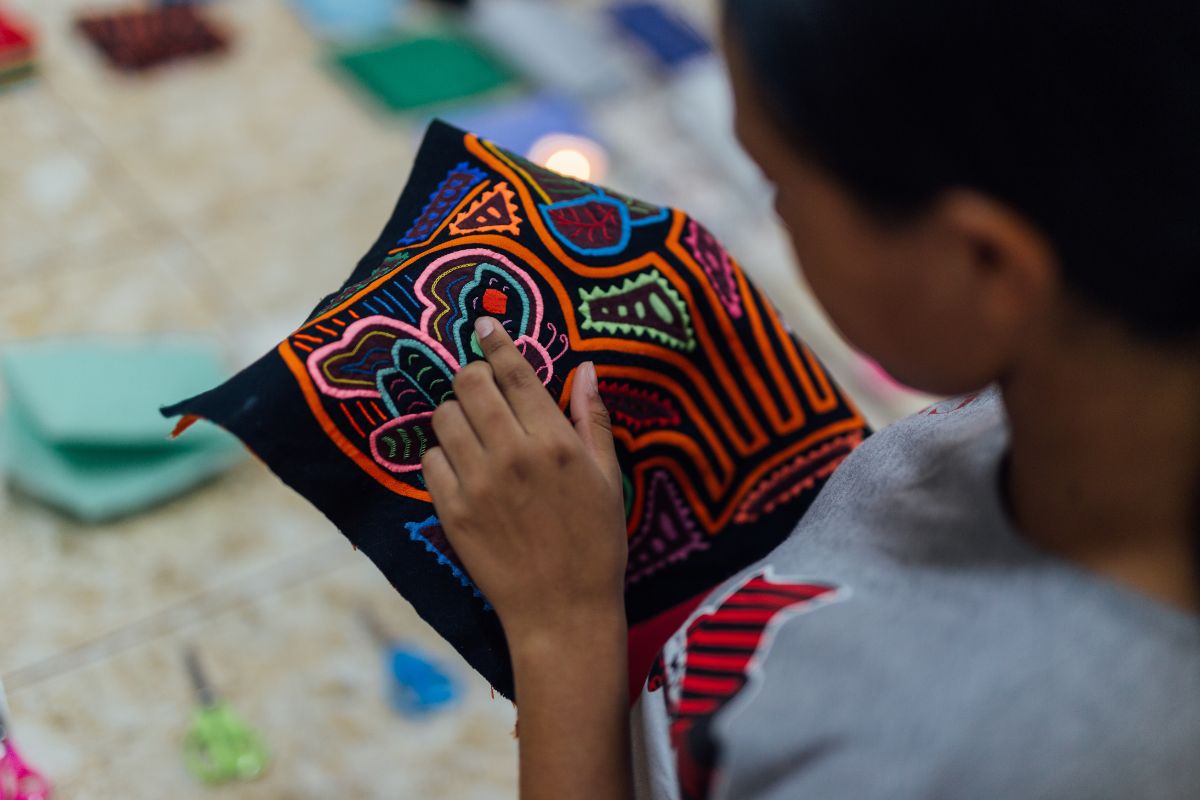
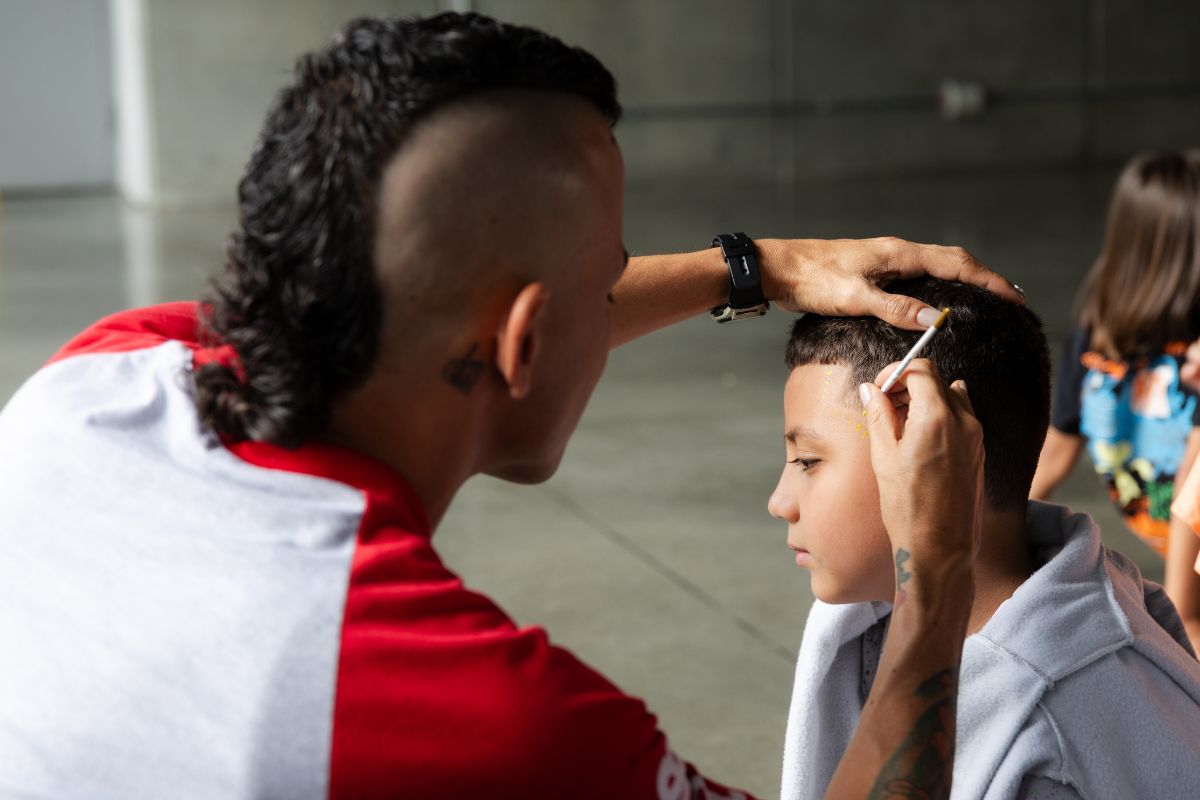
Constellations of wonder: for those who have their feet on the ground and their eyes on the sky
This year, the training program is called Constellations of Wonder and invites us to look upwards to understand ourselves inwards. The universe, bodies, and synchronicities become starting points for exploring our connections with the most distant and the most intimate. It begins with the question: what happens when children recognize themselves as part of the cosmos?
For 12 weeks, 120 children, between the ages of 7 and 15, will participate in this journey in partnership with three organizations: Funaya (San Antonio de Prado), El Hormiguero (Itagüí), and Somos por Naturaleza (Manrique La Honda). The program unfolds in three phases: exploring (the body, inner language, chaos and order), experiencing (the languages of heaven and earth, gods, animals, and prehistoric symbols), and telling (creating sound constellations and synchronizing bodies and movements with the universe).
The experience is complemented by outings to the city, meetings with guest artists, training sessions for trainers, and collective moments with families and communities. Each of these components seeks to foster meaningful experiences that strengthen autonomy, self-esteem, and connection with the environment, contributing to the development of a freer, safer, and more empowered childhood.
Looking at the stars, recognizing myths, drawing celestial animals, and synchronizing bodies with nature are not just poetic exercises: they are political acts of affirmation, where childhood becomes the heart of a city that learns to dream with its eyes open.
The City of Children is an invitation to imagine other possible worlds through the eyes, voices, and dreams of those who, even at a young age, have much to say and contribute to the city.
In partnership with
