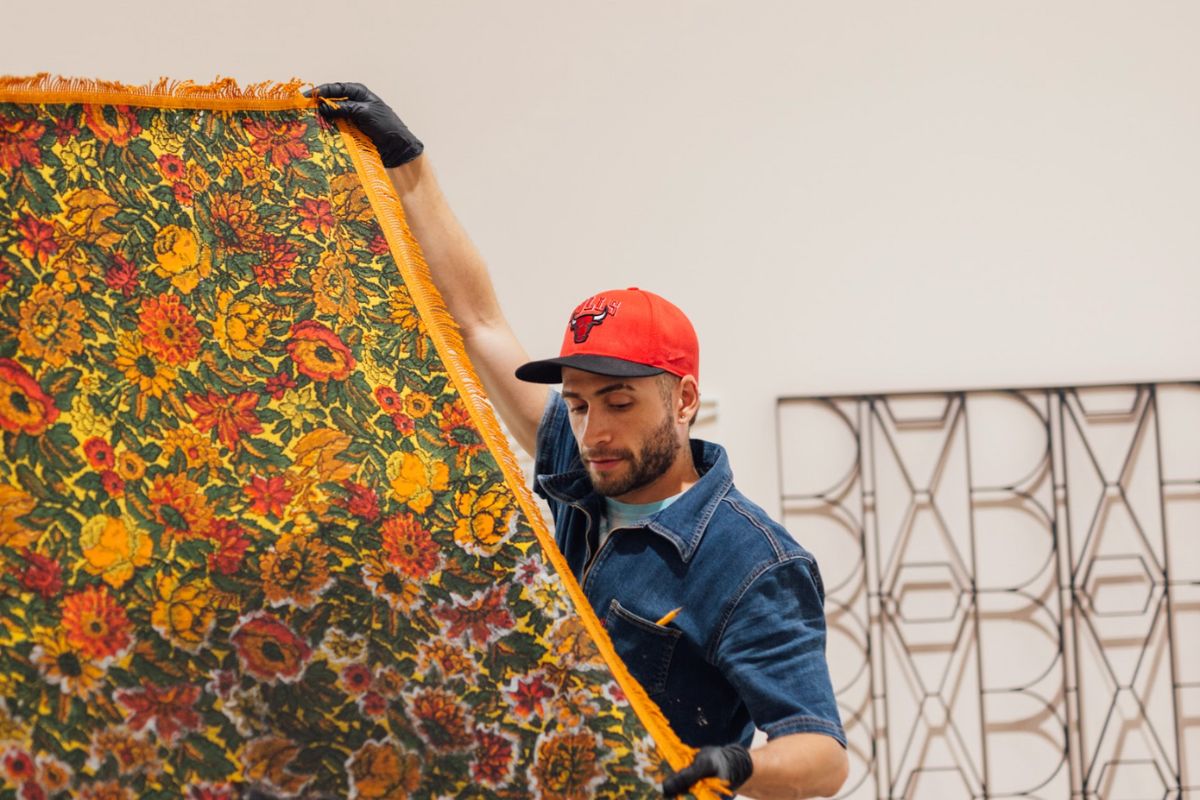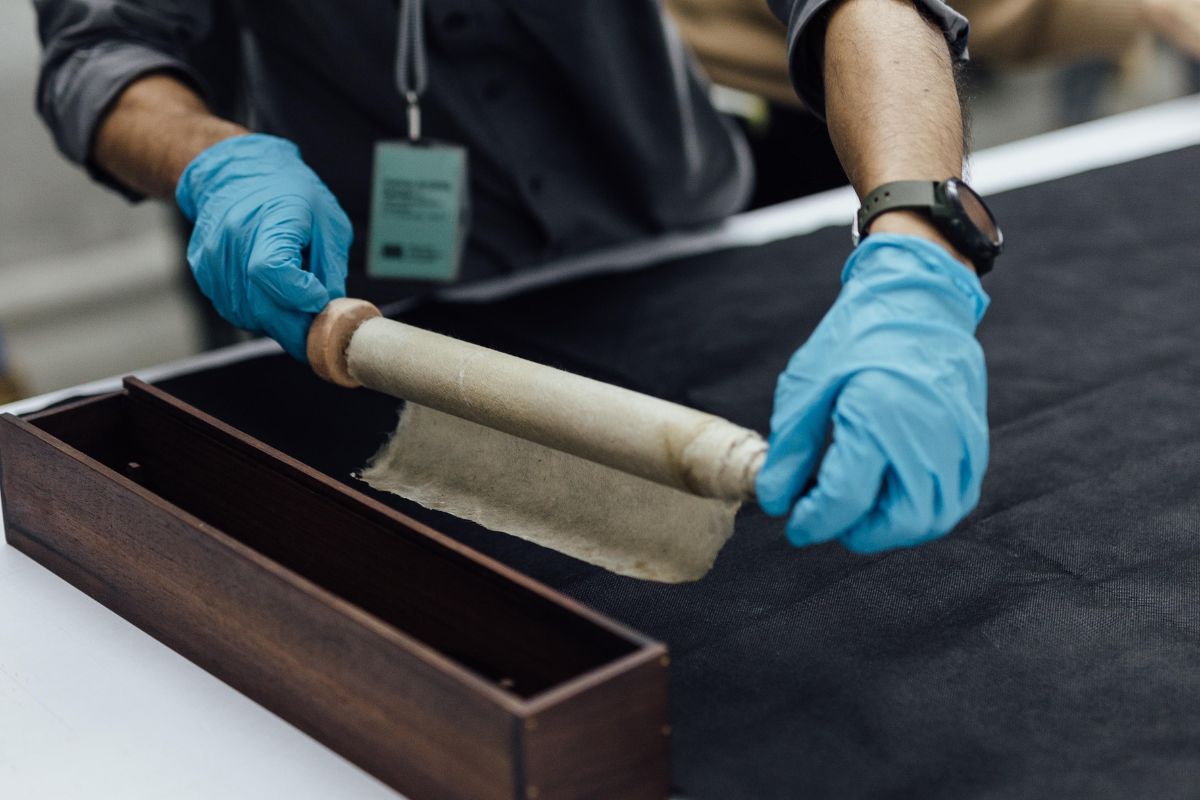
Conservation and restoration, a quiet craft that embraces works of art inside the Museum
Objects have life and death as part of their existence in time
With this phrase, Andres Roldan, administrative leader of our curatorial team, gives us a glimpse into how through those inert bodies that constitute the collections or exhibitions we see in museum galleries, life also flows and leaves its mark, just as it does in each of us.
Attending to the evidence that the passage of time leaves behind and safeguarding the history that those objects tell is a silent labor carried out by those who, whether in cultural institutions such as the museum, government entities, or even from an independent workplace, dedicate themselves to conservation and restoration.
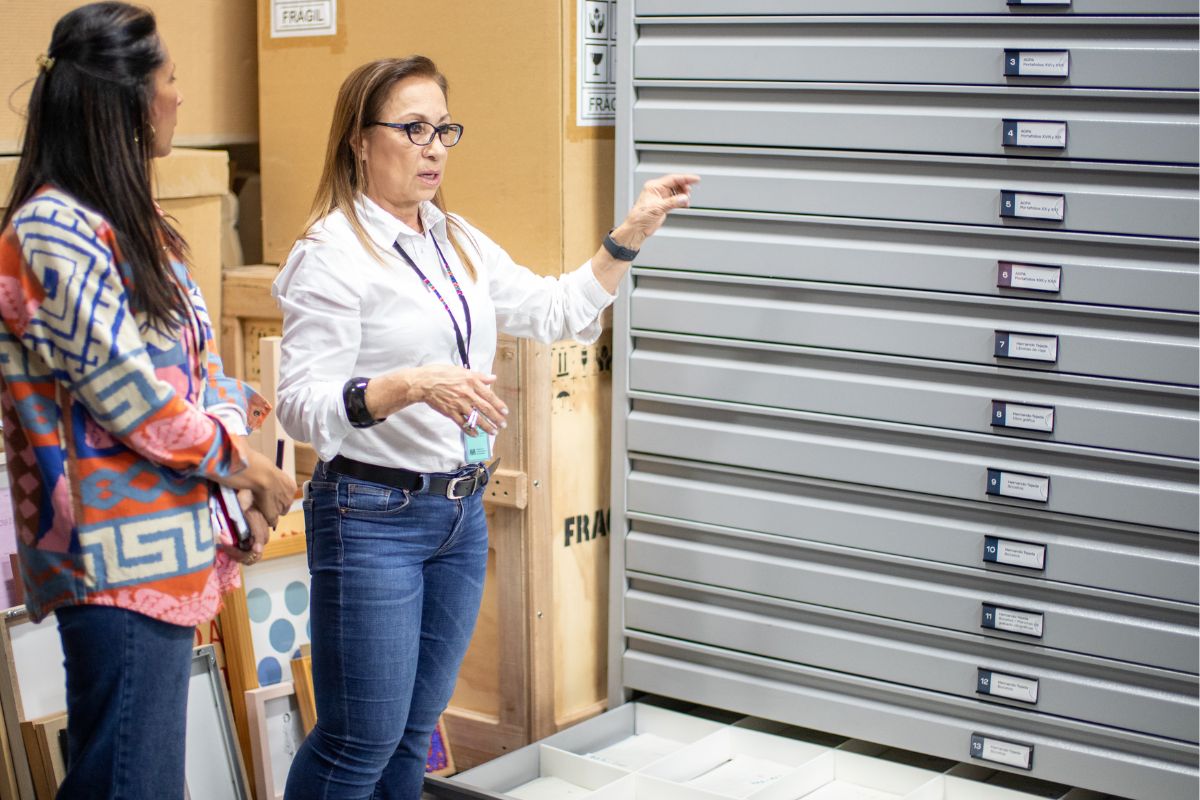
On the occasion of International Conservator-Restorer Day, celebrated every January 27, we spoke with Andres Roldan (administrative leader) and Dora Escobar (Collections and Registry Coordinator) from our curatorial team to delve a little deeper into these tasks and the challenges they face. Here are some notes from that conversation:
What do conservators and restorers do?
Conservation is preventive, therefore, the conservator’s work focuses on developing actions to prevent damage and alterations in artworks, so that objects last longer over time, in the best possible conditions, and thus avoid reaching a point where restoration is needed.
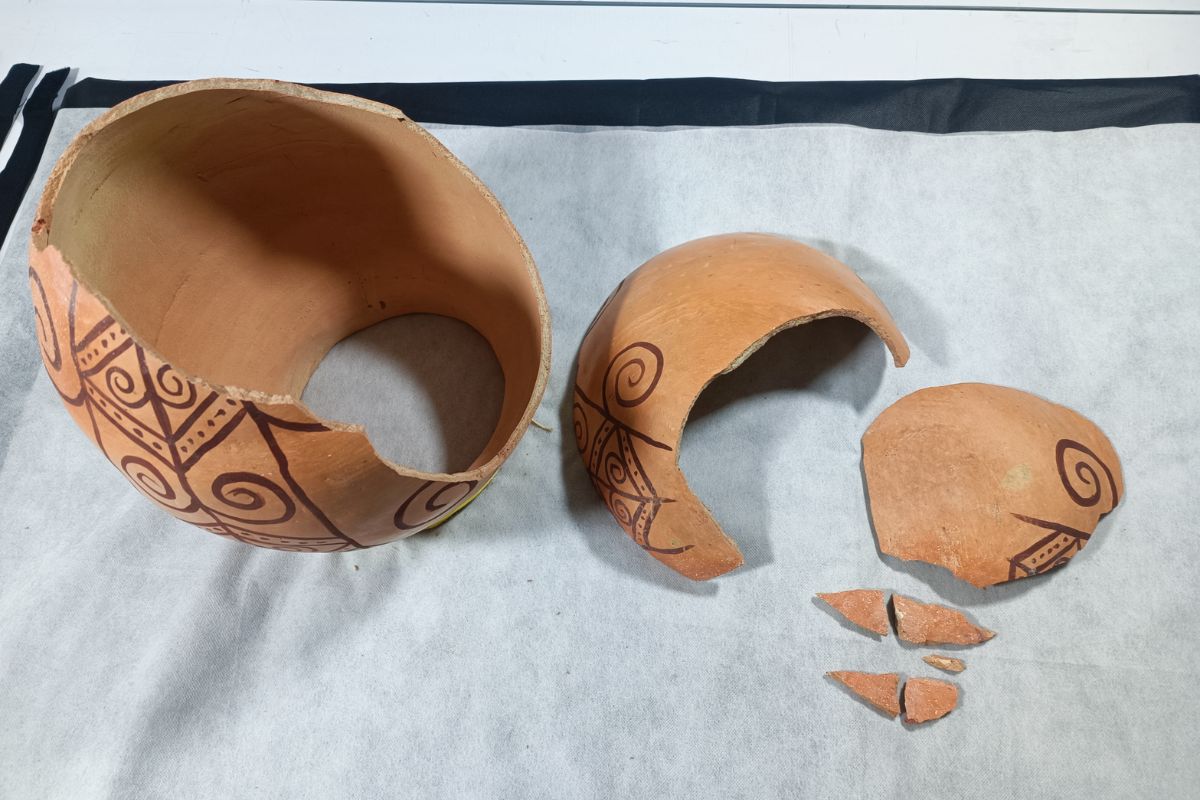
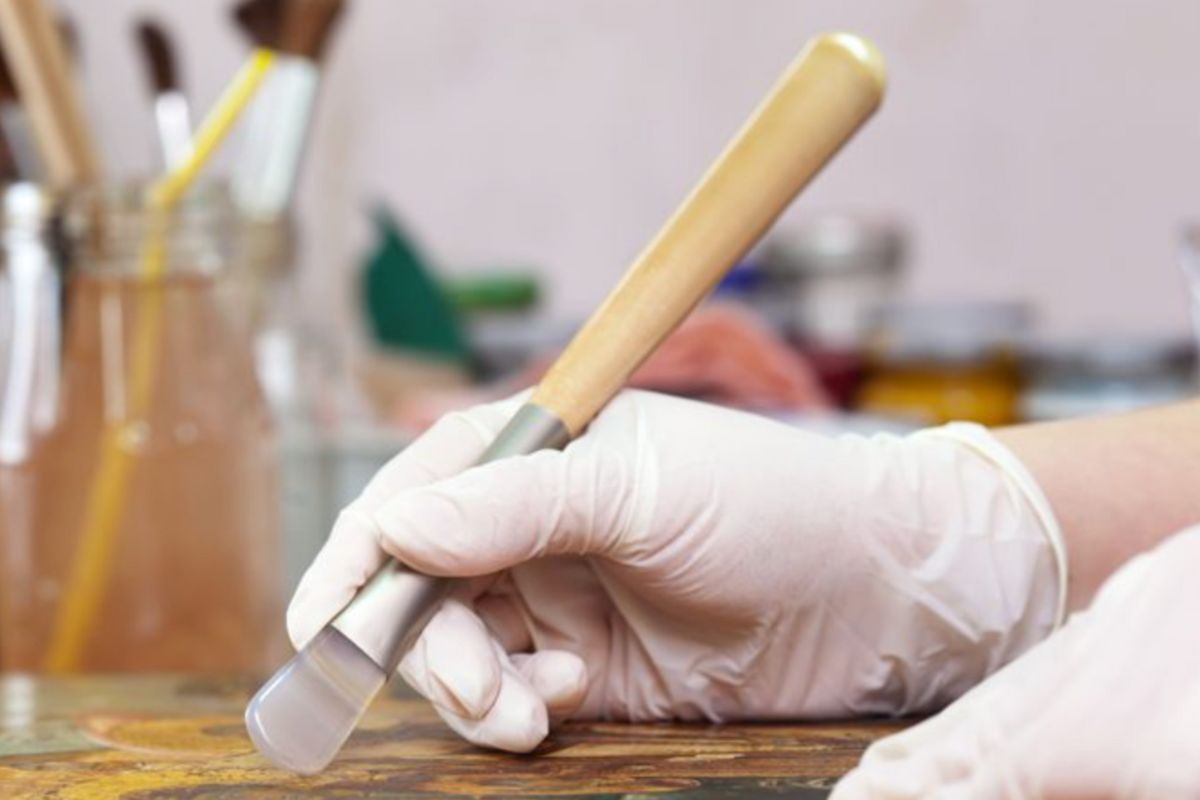
For its part, restoration is the direct intervention on the piece that involves modifying or repairing from the aesthetic or material standpoint, when some type of alteration has already occurred. Here it is important to note that when speaking of alterations, it does not necessarily refer to damage, but also encompasses those changes resulting from reaction to other elements to which they are exposed or the natural degradation of the materials they contain.
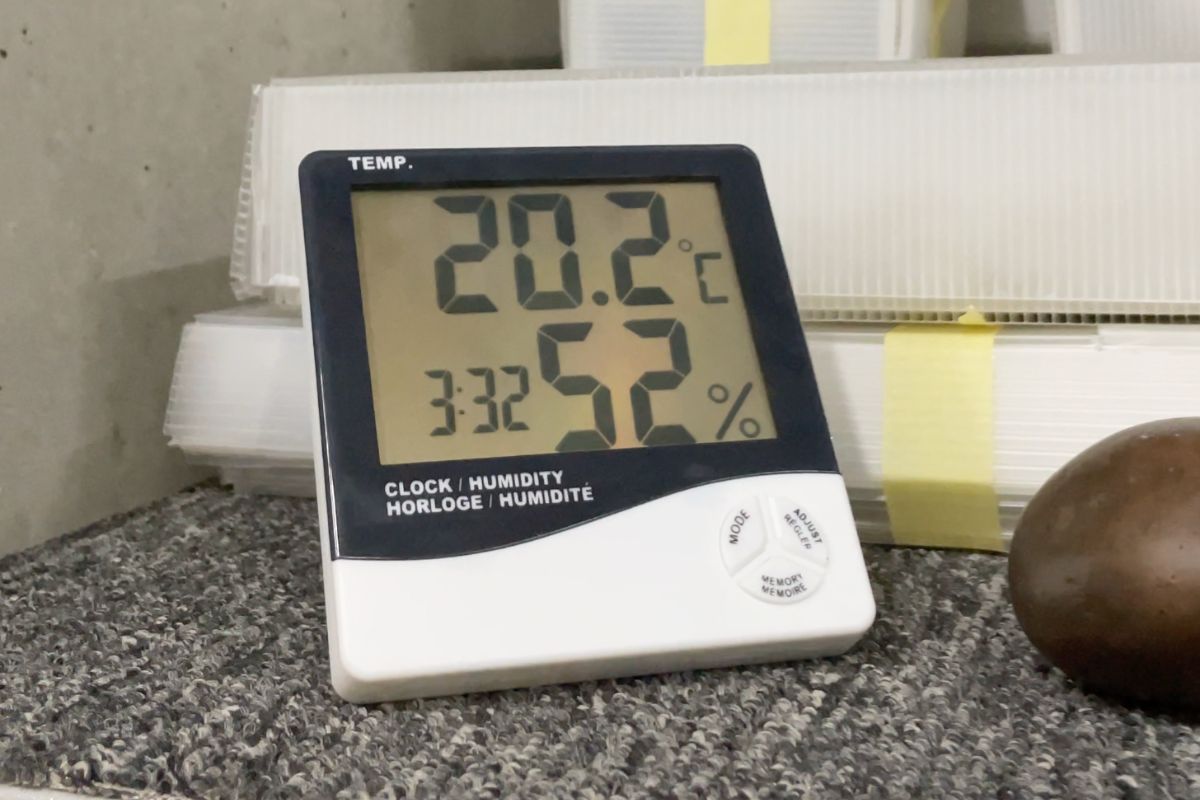
Those who perform these tasks are responsible for reviewing and evaluating the techniques and supports in which works are made, as well as the climatic and architectural conditions of the spaces where they will be exhibited and stored at each institution. They also mitigate the contrasts in temperature and humidity to which works are exposed during transfers that may occur, such as in the case of loans between institutions or the traveling of certain exhibitions.
As Sandra Saenz-Lopez Perez, Director of Cultural Activities at the Universidad Autonoma de Madrid, mentions, the objective is clear: “we restore in order to conserve, and we conserve because that cultural legacy we inherited does not belong to us. We have the right to enjoy it and the duty to safeguard it for future generations.”
Thus, this labor of prevention and care has the ultimate purpose of allowing future generations to know the stories that different objects tell, the worldviews of artists and curators, and to connect with the sensitivity that only art can offer in certain situations.
When an institution lends its works or brings works from other institutions, how does this process work to guarantee their good condition?
When a loan request is made, the first thing reviewed is the architectural and environmental conditions of the space that will receive them, for example, temperature, humidity, building materials, number of doors, how one enters the space where they will be displayed, security protocols, etc.
If the conditions do not meet the needs of the works, to guarantee the good condition of the materials, modifications are requested before proceeding with the loan. Preparing the transport is the next step, which requires evaluating the particular conditions of each work. For example, Debora Arango’s paintings must always travel packed in a cardboard box with reinforcements, surgical cloth, plastics, and elastics to secure the different layers of protection.
Within conservation protocols, upon arriving at the destination, a quarantine of at least 48 hours must be guaranteed without unpacking them from the crate in which they travel, and if the journey has been too long, it should be longer, bearing in mind that ideally the work should not exceed one month packed to ensure air circulation and minimize material damage. This action seeks to “acclimatize” the works to the new environment and make the temperature change less aggressive.
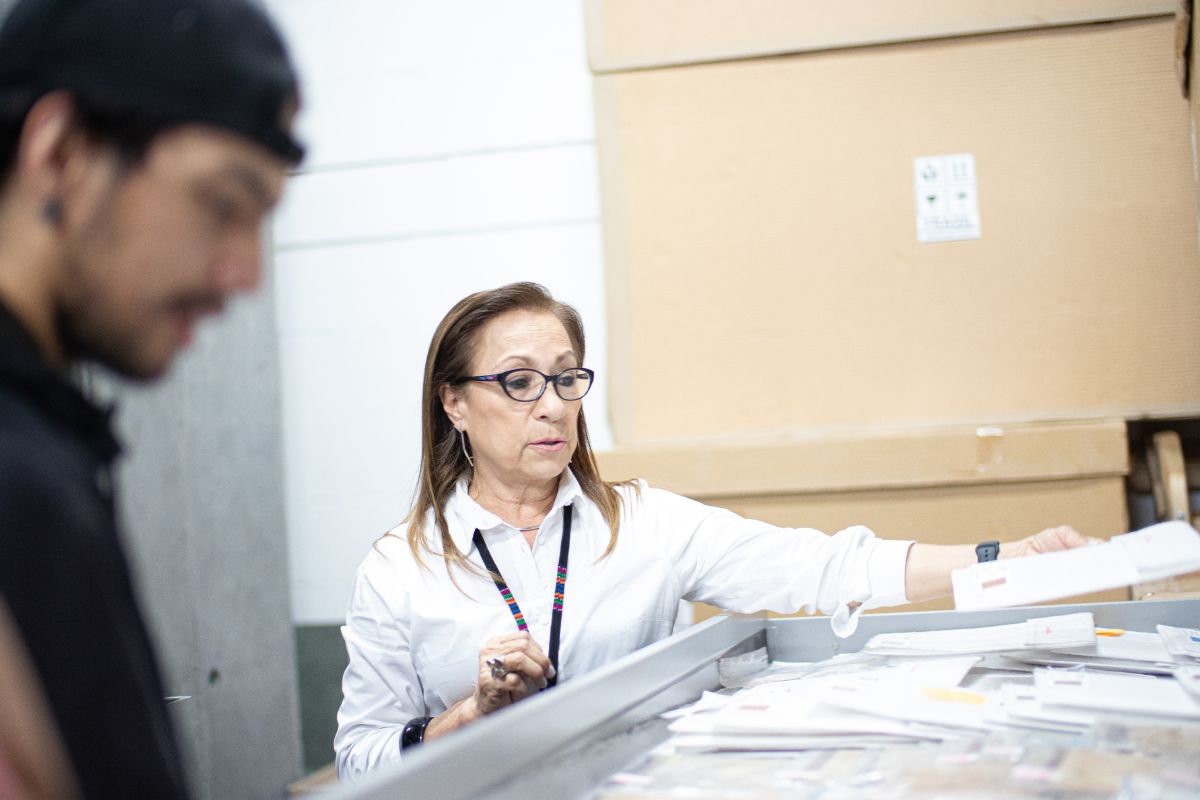
The works arrive with a document that is the conservation status report and an annex that is the clinical history (yes, this term is also used in these cases) of the work, in order to guarantee monitoring of each alteration to address it as soon as possible and to know its trajectory. It is always filled out before receiving and before returning the work.
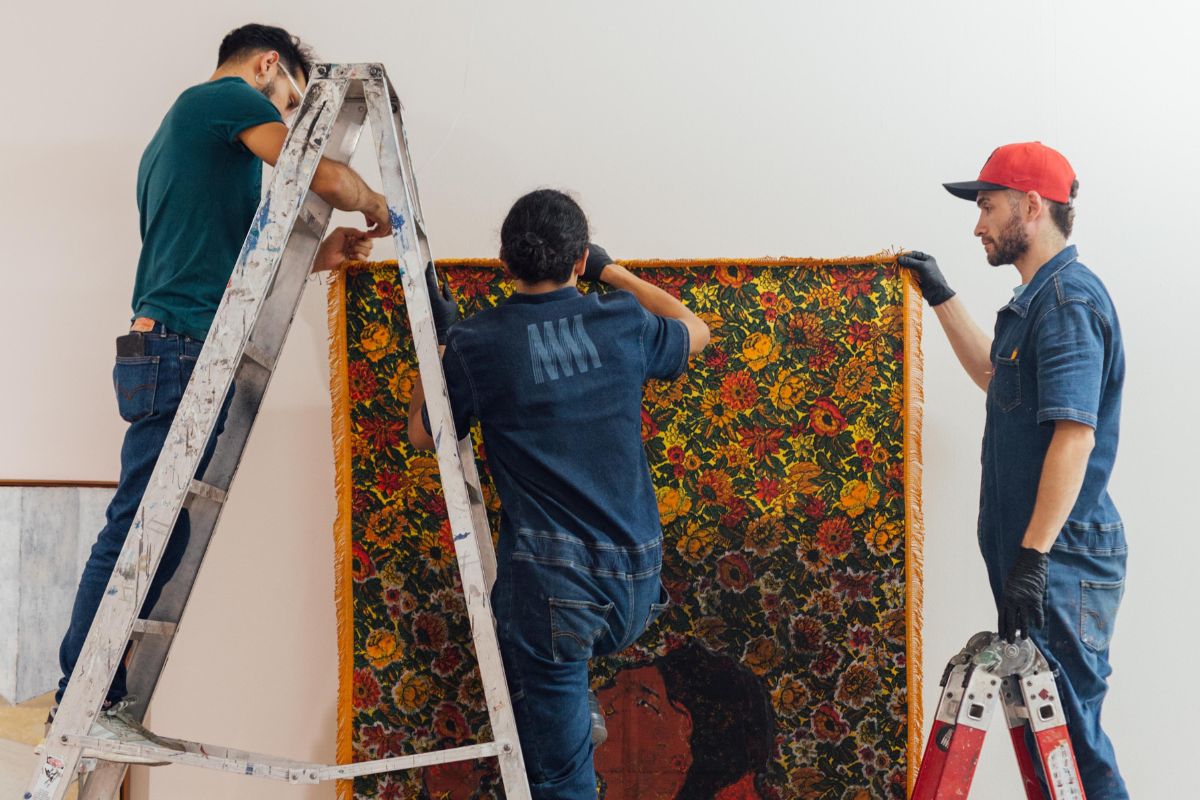
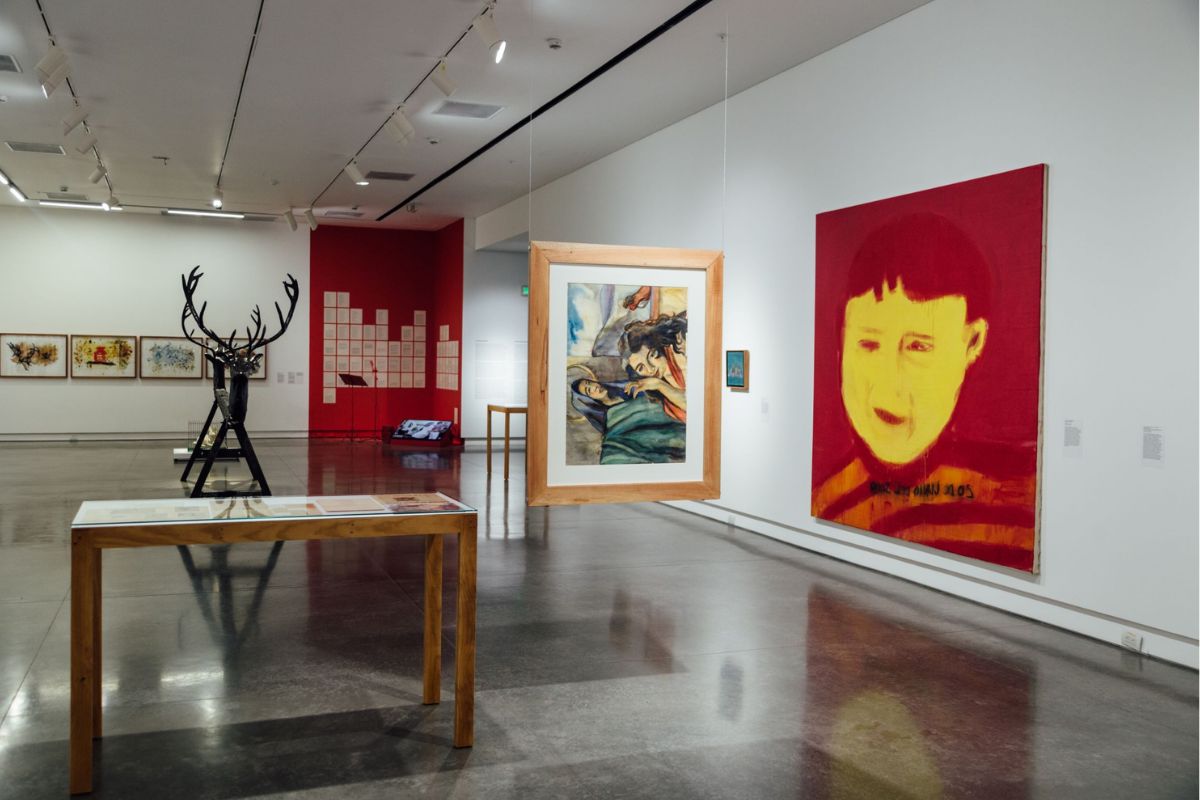
When they are already on display, preventive maintenance must be carried out. In our case, every eight days a general cleaning of the works is done with a feather duster or brushes if necessary, and each one is reviewed individually since the high flow of visitors we receive every weekend affects some of the works, as the humidity and temperature conditions of the galleries are altered, causing for example deformations in the support or color changes, making it necessary to identify alterations as soon as possible and address them to guarantee their good condition.
You too can contribute to heritage conservation by following the recommendations made for visits such as taking photos without flash or avoiding touching the works, as this minimizes damage.
When restoration is already necessary due to damage or the natural passage of time and material degradation, how does the intervention process work? What limits exist?
Whenever there is an alteration, the first thing to do is a diagnosis to determine if the alteration, for example, was to the pictorial layer or also affected the support — that is, to know how far the damage extends.
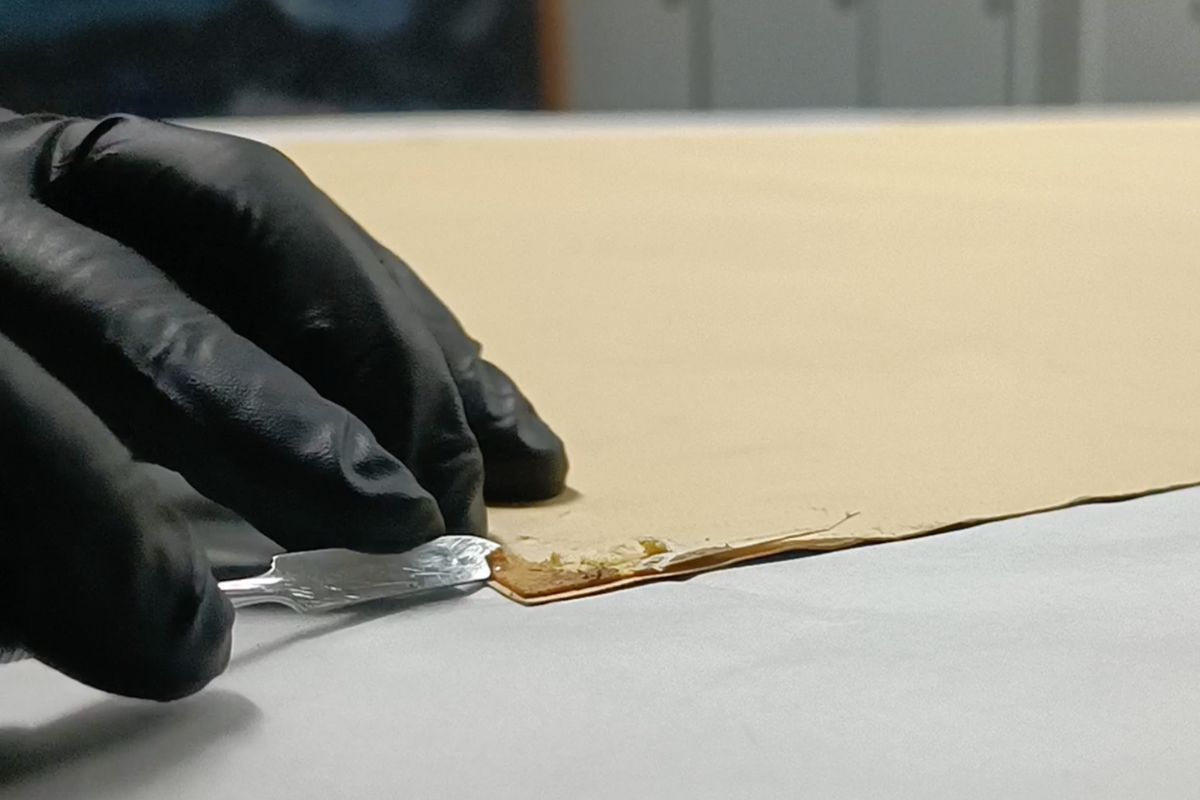
After the analysis, the different alternatives for reversing the alteration are reviewed. There are differences between materials; for example, any damage done to a paper work is a scar, while canvas can be repaired more easily. The moments when the restorer intervenes are when there is a clearly identified damage, a tear, loss of color, or when the image is no longer legible.
At this point it is important to mention that the restoration proposal must include the question of how far does one want to go with the intervention? What percentage of intervention is desired? Ideally, one should not reach 100% intervention due to the risk of falling into forgery. The limits will depend on the ethics of whoever performs the restoration, as there are those who intervene to the point where one could speak of a replica, and there are those who defend that this is an error, because the artist’s original values should be preserved and the restoration should be visible, all as an aesthetic unity.
What are some of the challenges that conservators and restorers face today?
Today there is a challenge for conservation and restoration professionals, as contemporary art has introduced new materials that they must contend with, such as glass, plastic, natural dyes, tree bark, different supports, or ephemeral pieces. This new era of artists is proposing new materials, and this demands that conservator-restorers be in continuous training to respond to this new materiality of artworks.
Another great challenge at the national level is the budget for heritage, as the allocation of economic resources is vital to maintaining that cultural legacy. In many parts of the country, pieces are lost because there is no one to restore them, and not because there are no restorers, but because there is no one to pay those restorers.
In the words of our team, conservators and restorers are “the doctors of objects,” since the object also speaks of what hurts it and what it needs, which is why its repair requires going through different phases: diagnosis, stabilization, treatment, and periodic review, which makes restoration costly due to the number of analyses that must be performed and the different professions that may be involved in the process, as architects, materials engineers, or chemists may be needed, just to name a few.
How and where is a conservator-restorer trained?
In Colombia, training is very self-taught because although there are some universities that offer courses or elective subjects in conservation and restoration, it remains an activity that stems from the interest of those involved and from seeking study strategies. The Universidad Externado de Colombia is the only one in the country that offers an undergraduate degree in Conservation and Restoration of Movable Cultural Heritage, with the cost of this training being another barrier.
In Latin America, countries such as Mexico, Chile, Ecuador, and Peru are years ahead of us in terms of heritage restoration and conservation, also due to the interest of governments in these topics, as in Mexico the restoration degree is even offered by a public university.
Recommendations for better conserving artworks in your home
Finally, our team offers you some recommendations for caring for those artworks you have at home:
- Know the environment in which the work is located. Analyze the light sources, air currents, and humidity to know how and where to place the work. For example, if there is a wall that gets full afternoon sun, paper or photographic works should not be placed in that space to avoid affecting the color. If the wall faces a water source or the material is damp, use supports so that the work’s contact with the surface is not direct.
- Avoid exposing the work to a light source, natural or artificial, directly, as this can affect the work’s materials and alter them more quickly. Ideally, it should be indirect light.
- Handle with care during transfers; protect works from bumps or falls.
- Clean according to materials and on a regular basis. For example, if it is a painting, avoid damp cloths.
- In case the work suffers any type of damage, consult a restorer. Avoid “self-medicating” the work and seek professional help. If it is not something serious, you can look for a tutorial or help online to understand the extent of the alteration.
This is what conservation and restoration work looks like