

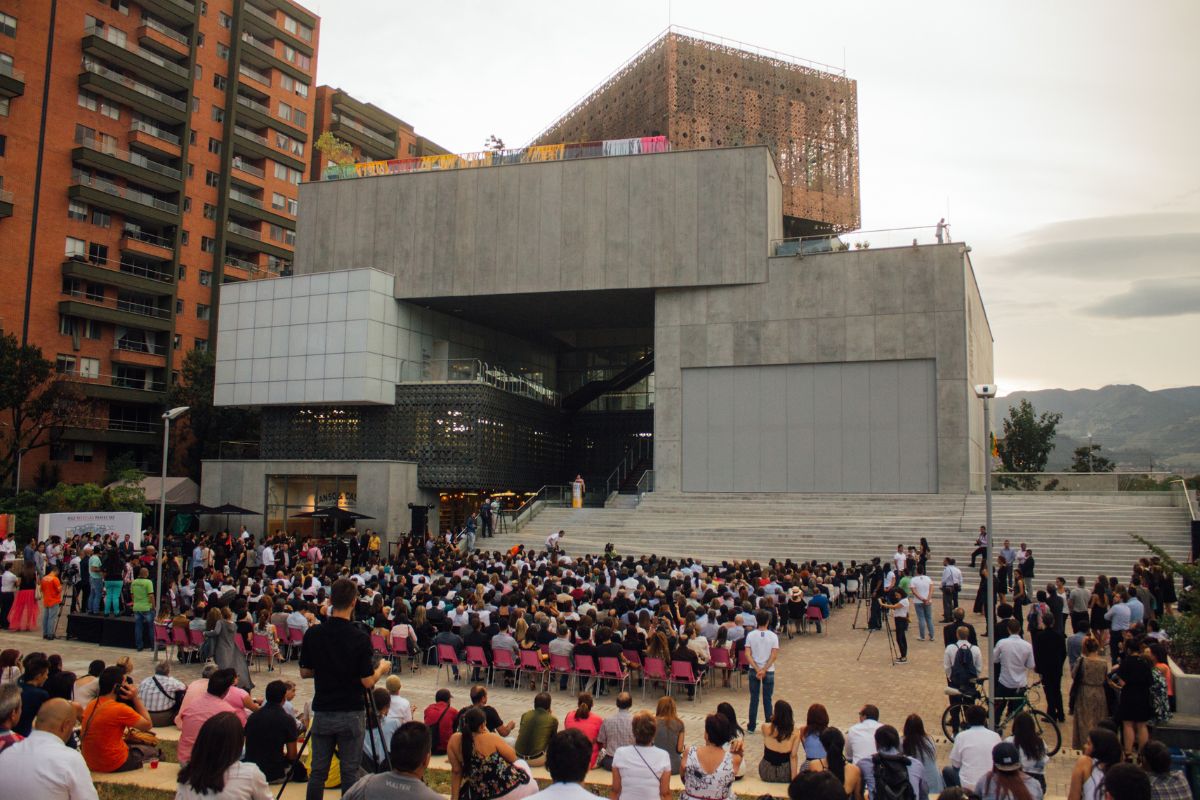
Our expansion building has been nominated for the Rogelio Salmona Latin American Architecture Prize
We celebrate the recent selection of our expansion building, designed by Ctrl + G (Viviana Peña and Catalina Patiño) together with 51-1 (Manuel de Rivero, Fernando Puente Arnao, and César Becerra), to participate in the Rogelio Salmona Latin American Architecture Prize: open spaces / collective spaces. This honor highlights the project’s importance among the 26 Latin American works selected from a total of 42 entries, underscoring its architectural value and its impact on the community.
A prize inspired by the question of how to build a city, present in the work of architect Rogelio Salmona, and which is now part of a legacy that fosters open-space projects that invite citizens to come together as equals. These places enrich the life of the city and transform ways of thinking about the common, inviting people to gather and engage in dialogue.
A bit of history
Since our founding in 1978, we have worked to promote reflection, debate, and city-building. In this vein, we were chosen by the Alcaldía de Medellín to lead the transformation of the grounds of the former Siderúrgica de Medellín steelworks. Thanks to an ambitious urban renewal plan, the industrial zone gave way to Ciudad del Río, a new mixed-use neighborhood that houses residences, shops, and offices, with our venue as its cultural epicenter.
This path has followed two fundamental architectural strategies. The first, between 2006 and 2009, was the recovery and transformation of the former Talleres de Robledo building. The second, initiated in 2009, consisted of a private international competition to expand the museographic facilities behind Talleres de Robledo. The result is a building that reinterprets the forms of spontaneous organization of Medellín’s working-class neighborhoods, integrating terraces, plazas, balconies, and stairs that connect and articulate the various museographic programs vertically.
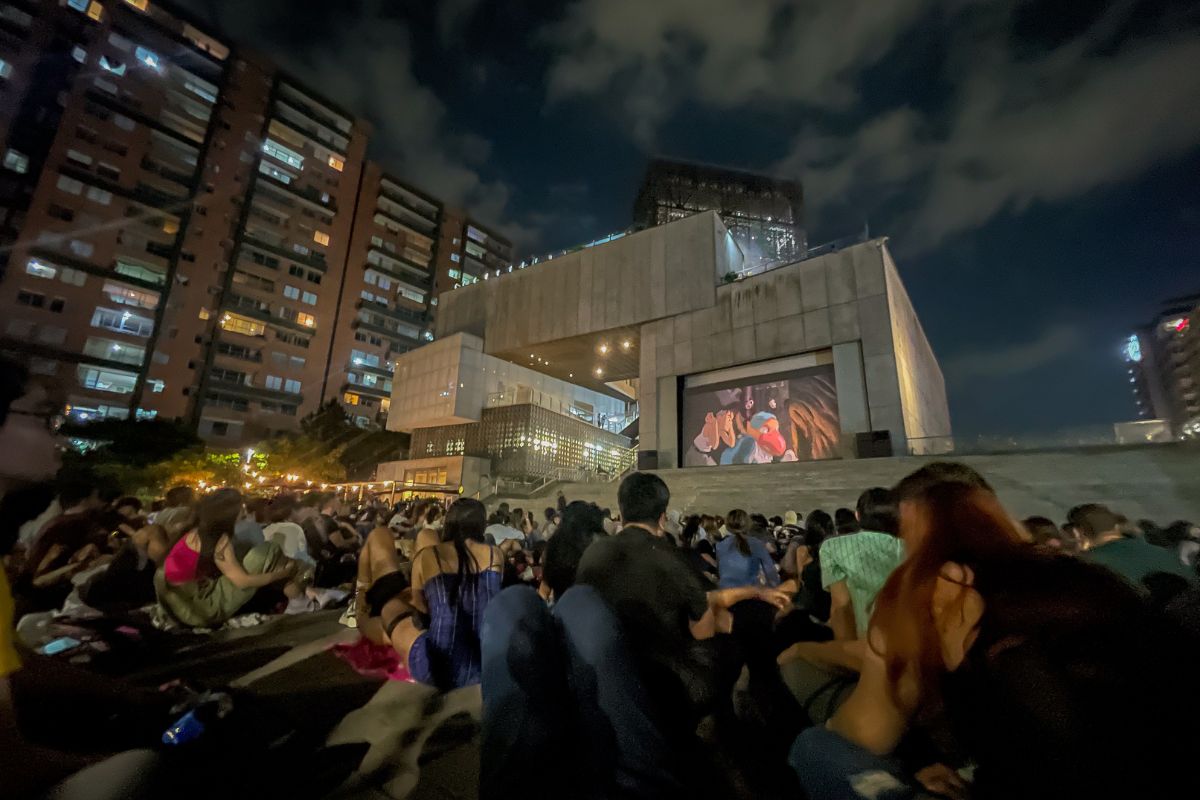
Our expansion project proposes a bidirectional opening: from the museum toward the city and from the city toward the museum. The exhibition galleries extend to the terraces and plazas, becoming part of the public space, while the public life of the adjacent plaza and park enters the building through the central void and the open staircases. This interaction intensifies with the museum’s theater, whose eastern facade allows video projection both inside and outside, extending the interior seating toward the plaza.
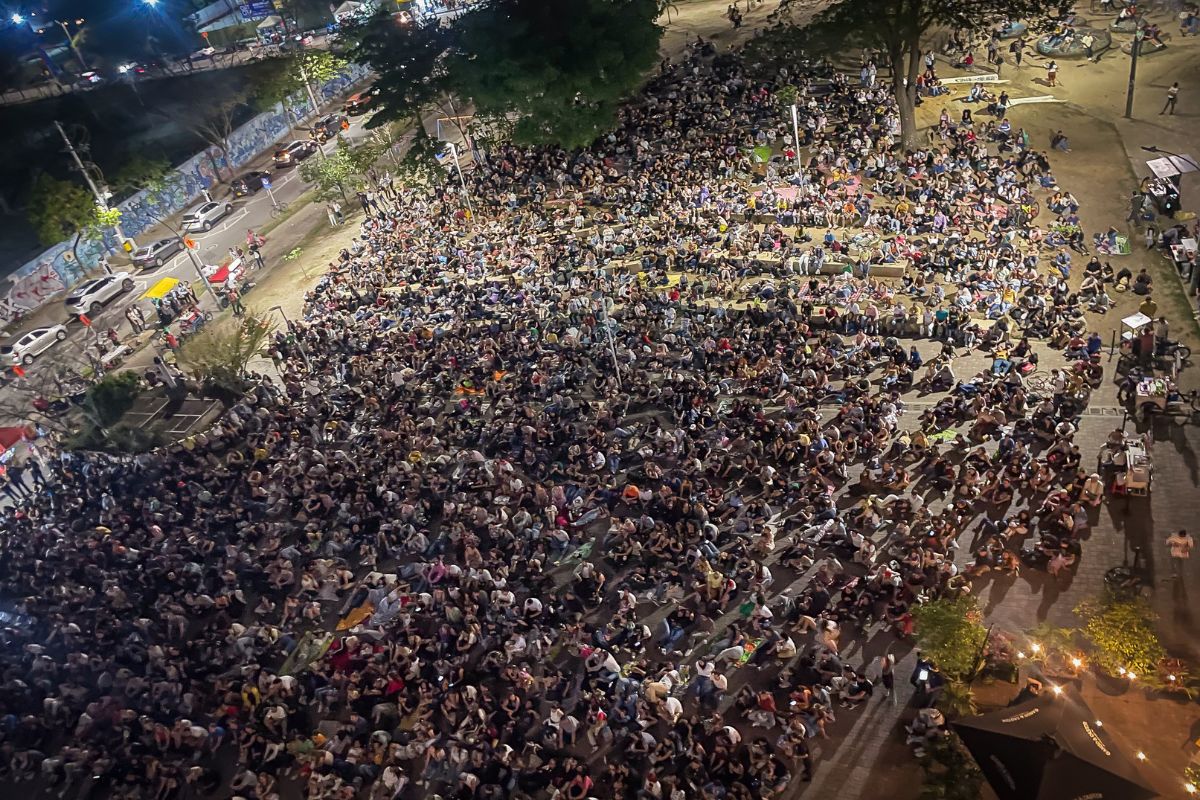
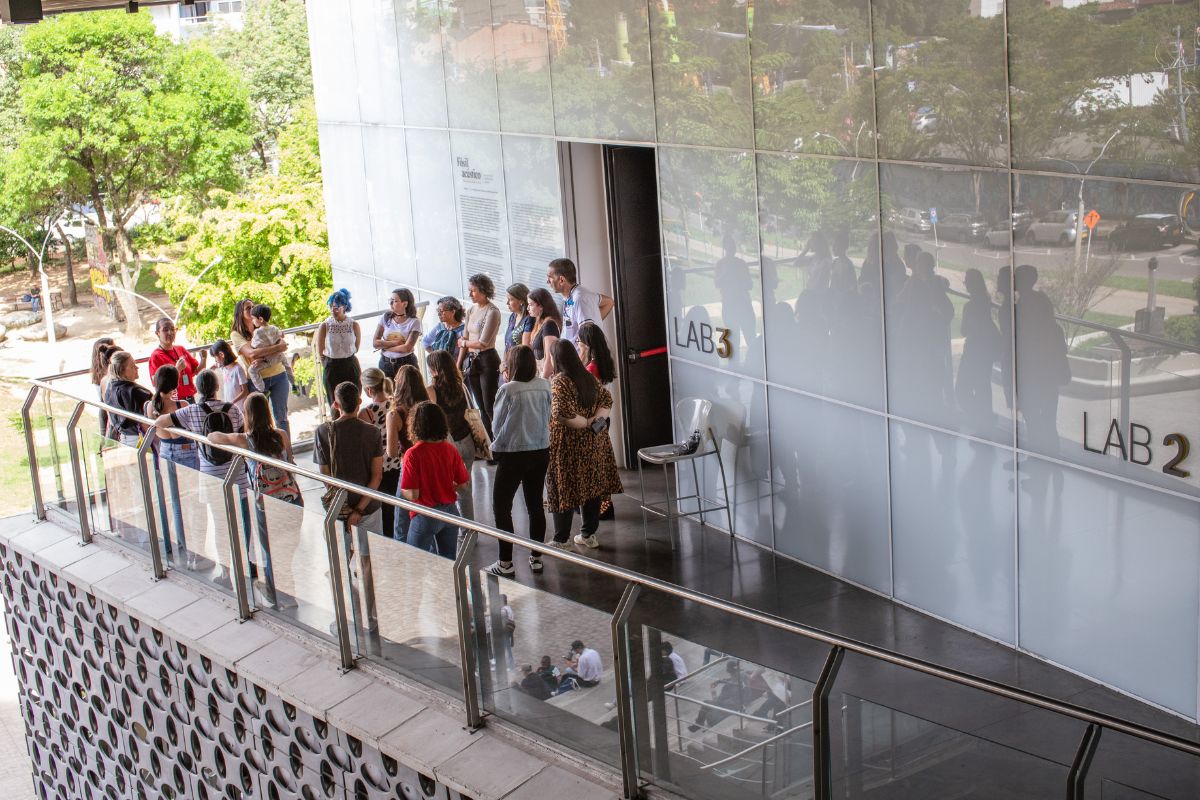
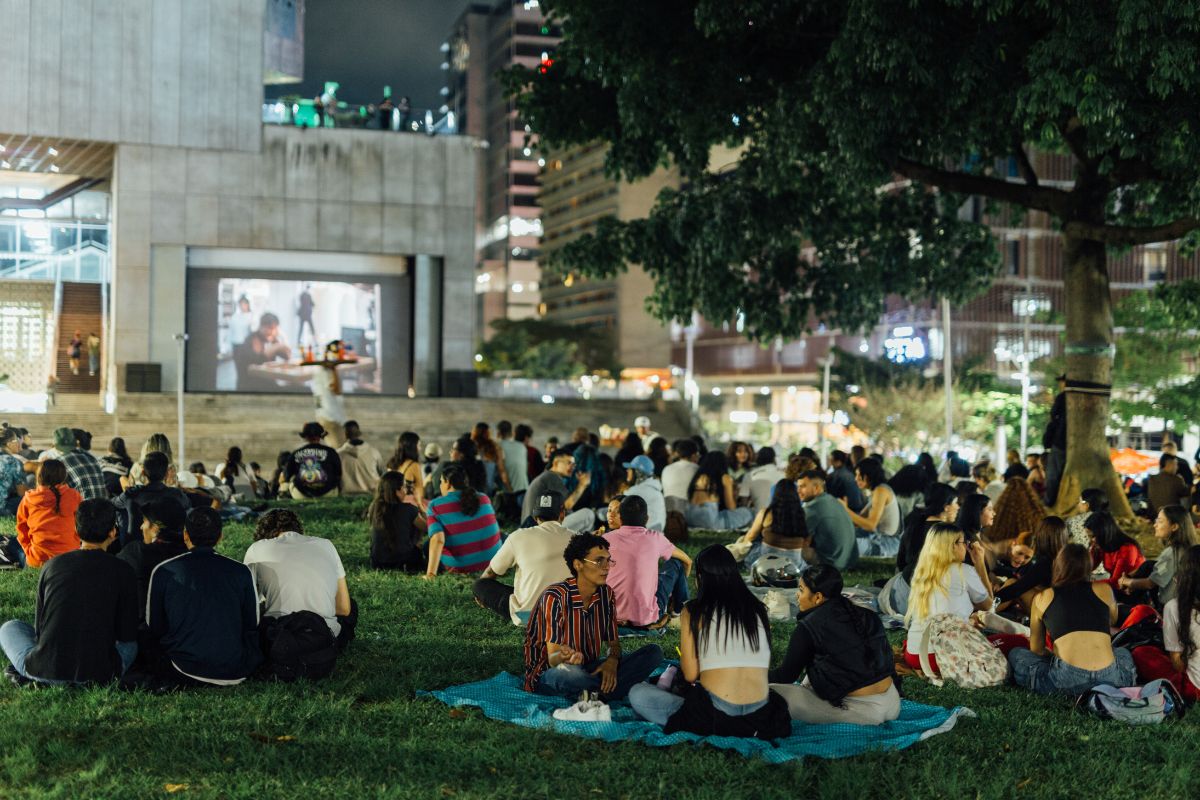
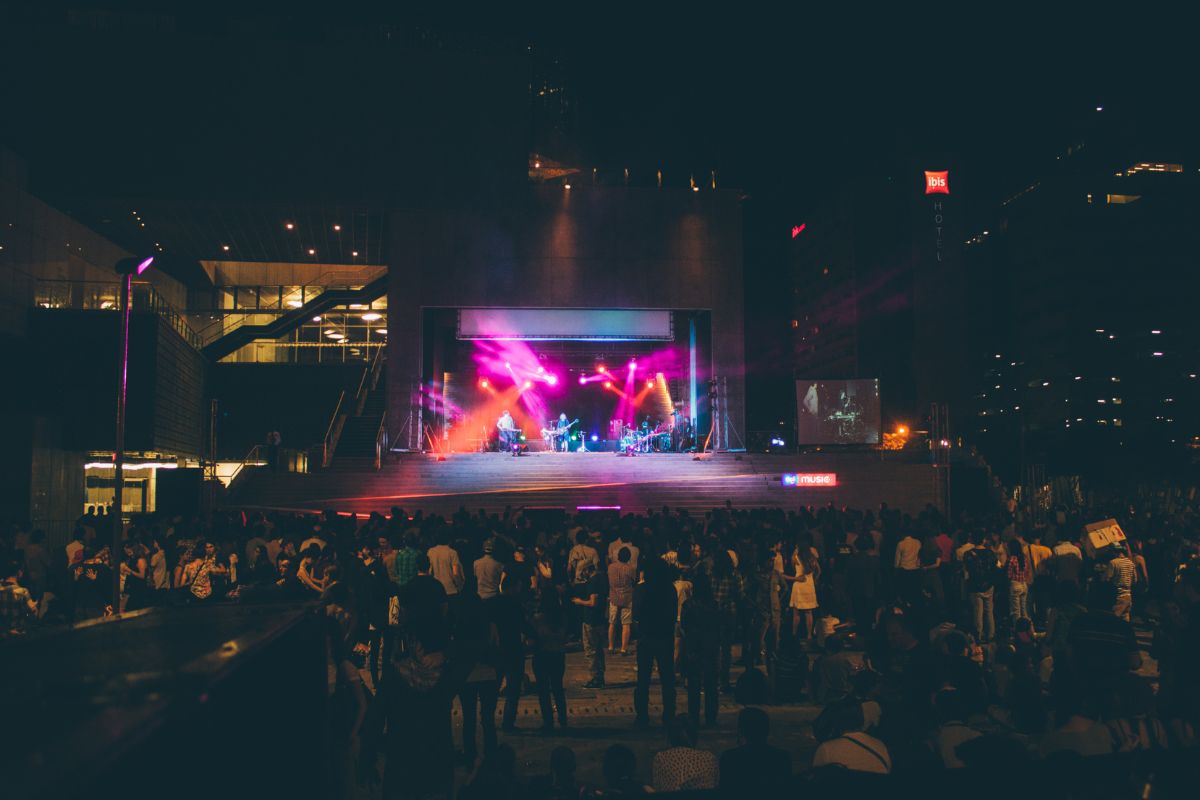
These innovations have allowed the stairs, the plaza, the theater, and the terraces to not only fulfill their original functions but also act as venues for expanding cultural content and fostering civic encounters. Events such as Extended Night, outdoor film screenings, and concerts have become key elements of the city’s cultural agenda. The image of 3,500 people seated in the plaza symbolizes how, through our architecture, we reach out to citizens and become a space for the production of messages and collective experiences.
This recognition in the Rogelio Salmona Latin American Architecture Prize underscores this transformative role in the cultural and urban life of Medellín, and how architecture can be a powerful tool for building the collective and driving cultural transformation.