We join the conversation on the transformation of artistic institutions worldwide
- María Mercedes González, MAMM DirectorThis was a very enriching event for those of us who work in museums, because through the diversity of countries, contexts, and types of museums, we can think together about what tools institutions in the art world need today to face political, cultural, economic, and social challenges.
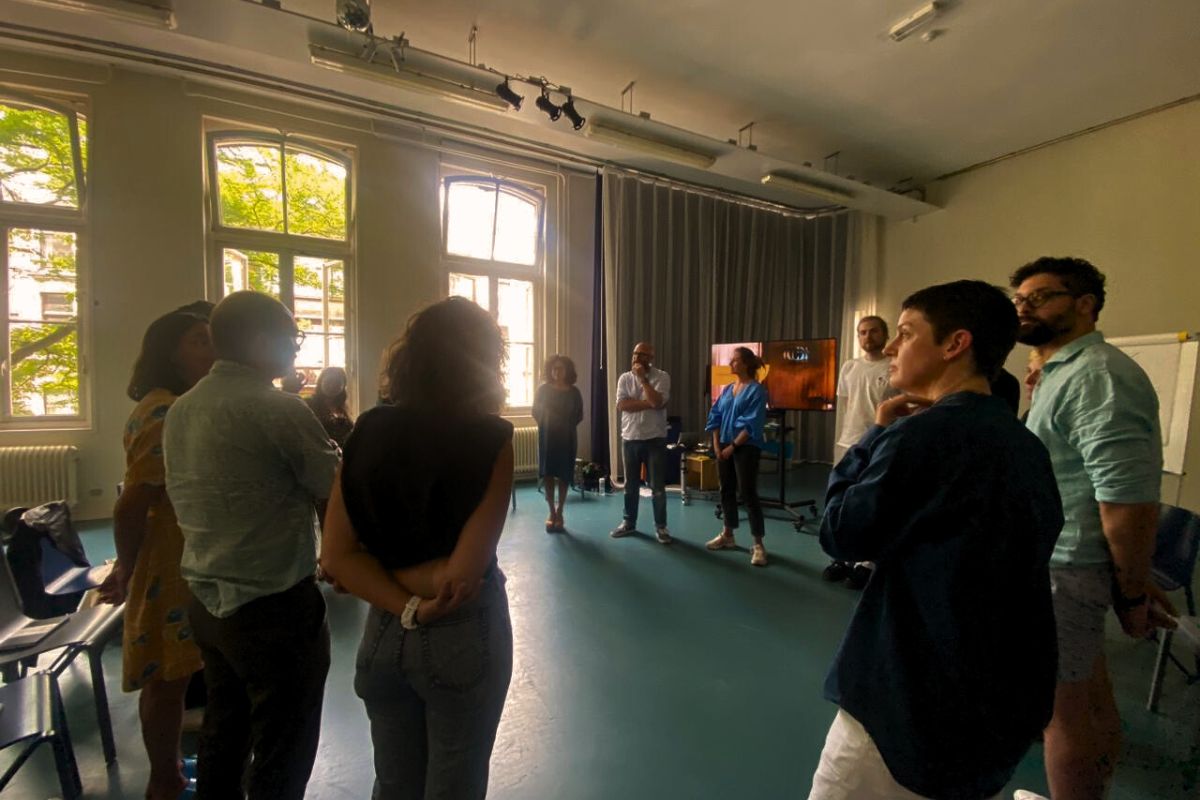
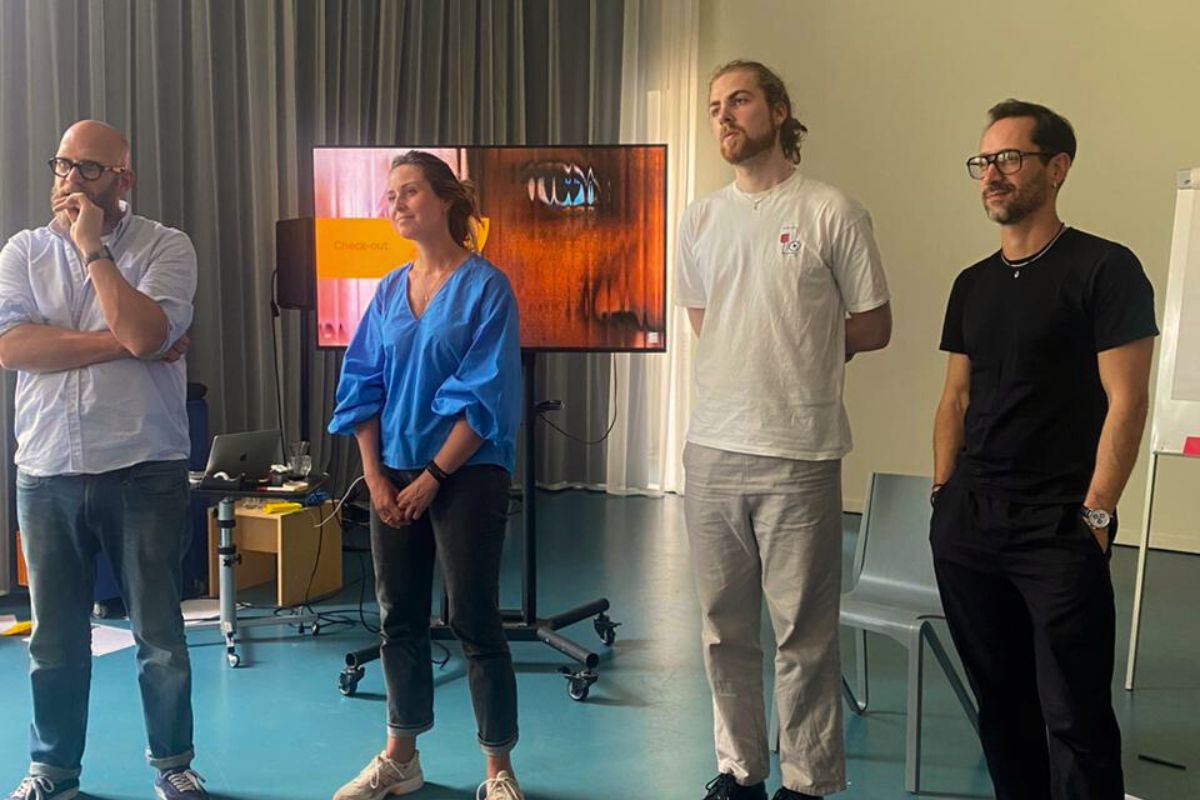
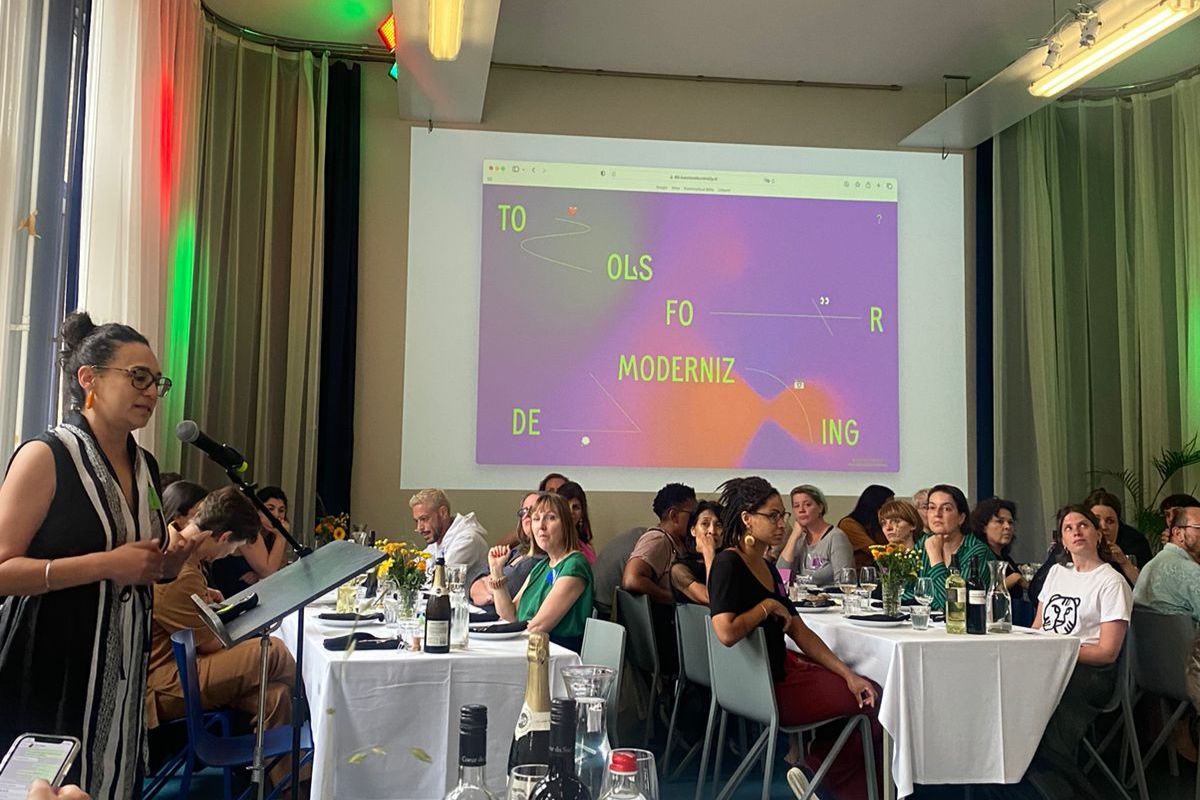
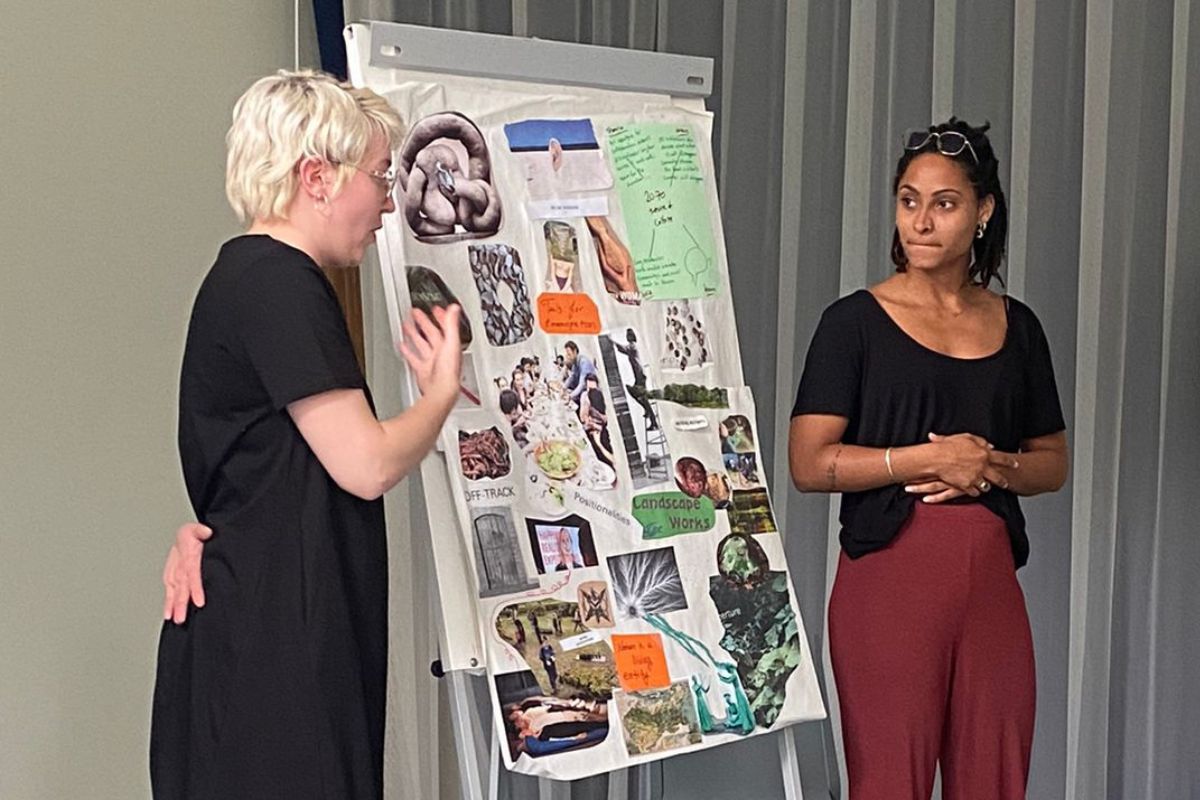
Between June 21 and 23, the event Tools for Demodernization took place in Rotterdam, Netherlands, an initiative of Kunstinstituut Melly focused on generating reflections and training programs to make transformative, systemic, and sustainable changes in art institutions.
This event included an intensive training program for thinking about how transformation can take place among contemporary art institutions, through master classes, practical interaction exercises for the exploration of the senses, networking sessions with Dutch leaders in the field of the arts, and tours of the city of Rotterdam. Among the local institutions that have partnered with Kunstinstituut Melly for the development of this program are Elemental, Hip Hop Huis, Cultura Ki, Verhalenhuis Belvedere, and de Zaak Nu.
For Maria Mercedes Gonzalez, director of the MAMM and a participant in this initiative, “this is a very enriching event for those of us who work in museums because through the diversity of countries, contexts, and types of museums, we can think together about what tools today’s institutions in the art world need to face the political, cultural, economic, and social challenges.”
Among the objectives outlined by the program are rethinking institutional practices and addressing structural change within art institutions to ensure the presence, and the welcoming, of different forms of knowledge and cultural platforms manifested in contemporary society; as well as implementing a culture for co-creation that inspires the stakeholders of our institutions and the field in general.
This initiative, led by Kunstinstituut Melly, also includes an international network of partner institutions, who in their reflective exercise follow a calendar of meetings to discuss interests, contexts, and concepts. These conversations shape the objectives and format of the training program that takes place annually.
Meet the partners of the Tools for Demodernization international network!
Launched in 2022, Tools for Demodernization seeks to establish not only reflections around the theme of transformation and sustainability in contemporary art institutions, but also to propose working networks between these organizations to weave meanings and experiences, which is why leading institutions in their region with extensive track records converge alongside others that are just opening their doors.
The five partners currently part of the network are:
- Artspace, founded in 1983 and located in Sydney, Australia
Participating members: Alexie Glass (Executive Director) and Michelle Newton (Deputy Director) - Art History Doctoral Program at CUNY Graduate Center, founded in 1961 in New York, United States of America
Participating members: Araceli Bremauntz-Enriquez, Elisa Gutierrez, and Miller Schulman - Initiating Council of the Museum of Contemporary Art (ICMoCA) created in 2022 by the Ministry of Culture, Youth and Sport of Kosovo to develop a proposal for the country’s first museum of contemporary art, expected to be fully operational by 2027
Participating members: Yll Rugova (Council member) and Eremire Krasniqi (Council member) - Javett-UP, a partnership between the University of Pretoria and the Javett Foundation, founded in 2019 in Pretoria, South Africa.
Participating members: Gabi Ngcobo (Curatorial Director) and Elroy Fillis-Bell (Senior Operations and Administration Manager) - Museo de Arte Moderno de Medellin (MAMM), founded in 1978 in Medellin, Colombia.
Participating members: Maria Mercedes Gonzalez (Director) and Emiliano Valdes (Chief Curator)
Each partner brings a unique experience, from being long-standing leaders in their region to new organizations and even ones not yet open. In a specific and committed manner, these partners are dedicated to undertaking transformative, systemic, and sustainable change in art institutions around the world.
Online chapter
Now, the network is proud to present its online introductory book with two dynamic events, one held in Paris and co-presented with the art center Palais de Tokyo, and the second in Rotterdam, co-presented with the education program Blacker Blackness.
Palais de Tokyo
Saturday, October 21
In Paris, the presentation will feature three special guests: Naomi Beckwith (Deputy Director and Jennifer and David Stockman Chief Curator at the Solomon R. Guggenheim Museum), Elena Filipovic (Director of the Kunstmuseum Basel), and artist Grace Ritndiu. Each guest has unique perspectives on how to think about and practice alternative models to the modern aesthetic canon and the museum as its vehicle. The event will include a Q&A session moderated by Natasa Petresin-Bachelez (Director of Cultural Programs at the Cite internationale des arts) with members of the Kunstinstituut Melly team.
Kunstinstituut Melly
Friday, November 10
In Rotterdam, the online introductory book will be launched with a keynote lecture and masterclass led by Professor Denise Ferreira da Silva. The event is co-organized by artist Ola Hassanain and Blacker Blackness, an education program initiated by writer Simone Zeefuik.
The online Tools for Demodernization Handbook compiles the learnings from the June training sessions that addressed the legacy of the participating institutions, questioned in light of pressing issues about institutional commitment, social responsibility, and the recognition of colonial legacies.
It includes reflections from each of the network’s participants: Alexie Glass, Michelle Newton, Yll Rugova, Eremire Krasniqi, Gabi Ngcobo, Elroy Fillis-Bell, Elisa Gutierrez, Miller Schulman, Sofia Hernandez Chong Cuy, Rosa de Graaf, Jessy Koeiman, Julija Mockute, Vivian Herzil, Shana Lewis, Simon Mensger, Maria Mercedes Gonzalez, and Emiliano Valdes. Additionally, the chapter includes reports from indigenous broadcaster Daniel Browning and CUNY Graduate Center students Araceli Bremauntz-Enriquez and Miller Schulman. The online introductory book also includes an annotated bibliography.
Tools for Demodernization is supported by the Terra Foundation. For detailed information about the initiative and these institutions, click here
Some moments from our visit to Rotterdam