

La repetición de un sismo. Performative lecture by Hebert Rodríguez
Date: Wednesday, June 21, 2023
Time: 6:30 p.m.
Format: In-person
Venue: Teatro MAMM
Free admission
This performative lecture is an expanded cinema proposal where image, cinematic montage, and the appropriation of images offer a reflection on the power attributed to images in the construction of imaginaries and in the construction of historical narrative. From all types of archives (photographs, film documents, news, bibliographic citations, etc.), an atmosphere is built where fiction and reality are put into crisis through the montage and dismantling of imaginaries related to the exercise of power in Colombia.
La repeticion de un sismo is composed of three acts and, in turn, three interludes in which, in the manner of a sound-slide projection, the viewer or audience weaves bridges between the narration, the images, the documentary data, and the theoretical reflections proposed by the author.
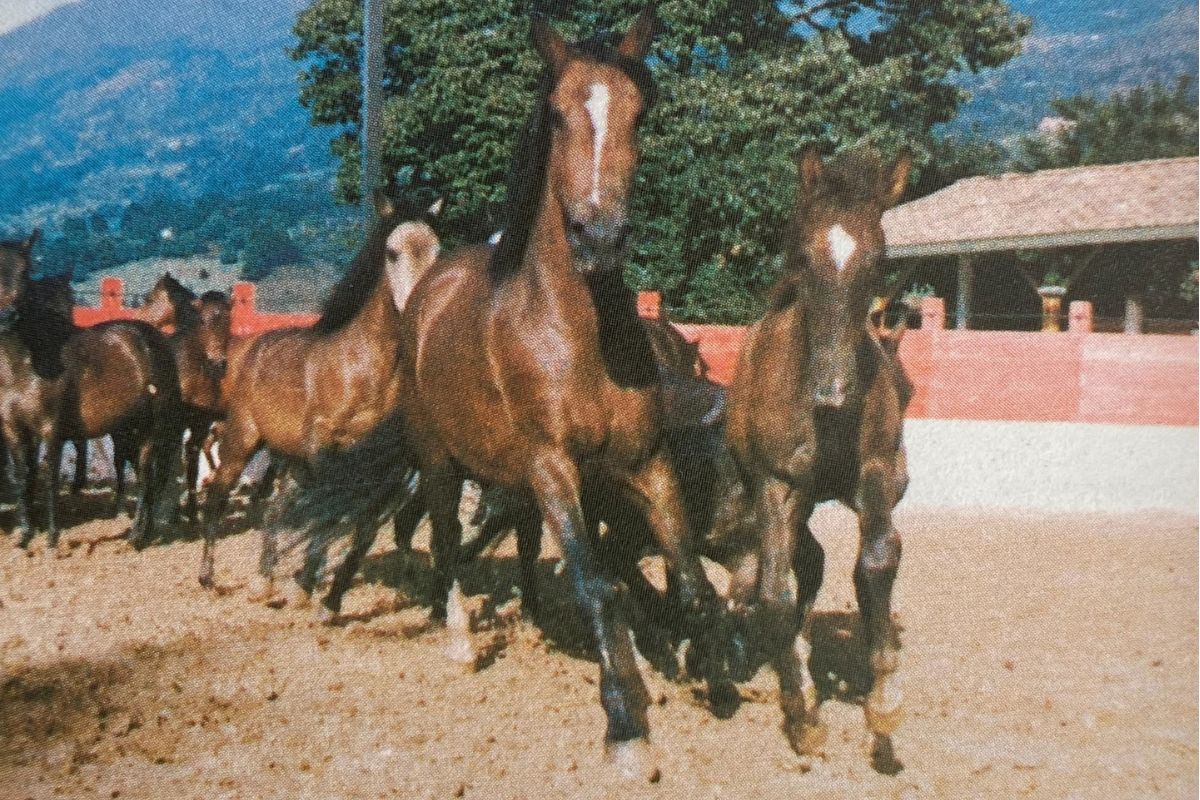
In the first act (Playing God), a relationship is established between the omnipotence of the biblical God and the power constructed by the figure of the mafioso in Colombia. The main resource of this narrative is based on how the cloning of a horse (Terremoto de Manizales) unleashes a bioethical debate. The story posits the escape of Terremoto’s clone from its masters and captors and how this species begins a lineage of wild horses in the geography of the Magdalena Medio.
In the second act (Becoming-beast), the transmutation of powers is highlighted: animal-man, mafia-State institutions. From a Deleuzian perspective, that sympathy established between an animal and a man (in the process of domestication or taming) is also present in the power relationship between the Colombian State and the Colombian mafia.
In the third act (Under another Antioquian sky), two audiovisual pieces from different production years are crossed. The first, Bajo el cielo antioqueno (1925), an iconic film of Colombian cinema, is placed in parallel with a fragment of the French documentary Le parrain de Medellin avec la famille Ochoa (1988), from the program 52 sur la une, in order to offer deductions about how our Antioquian identity has a strong root of exclusion and a need to display power.