

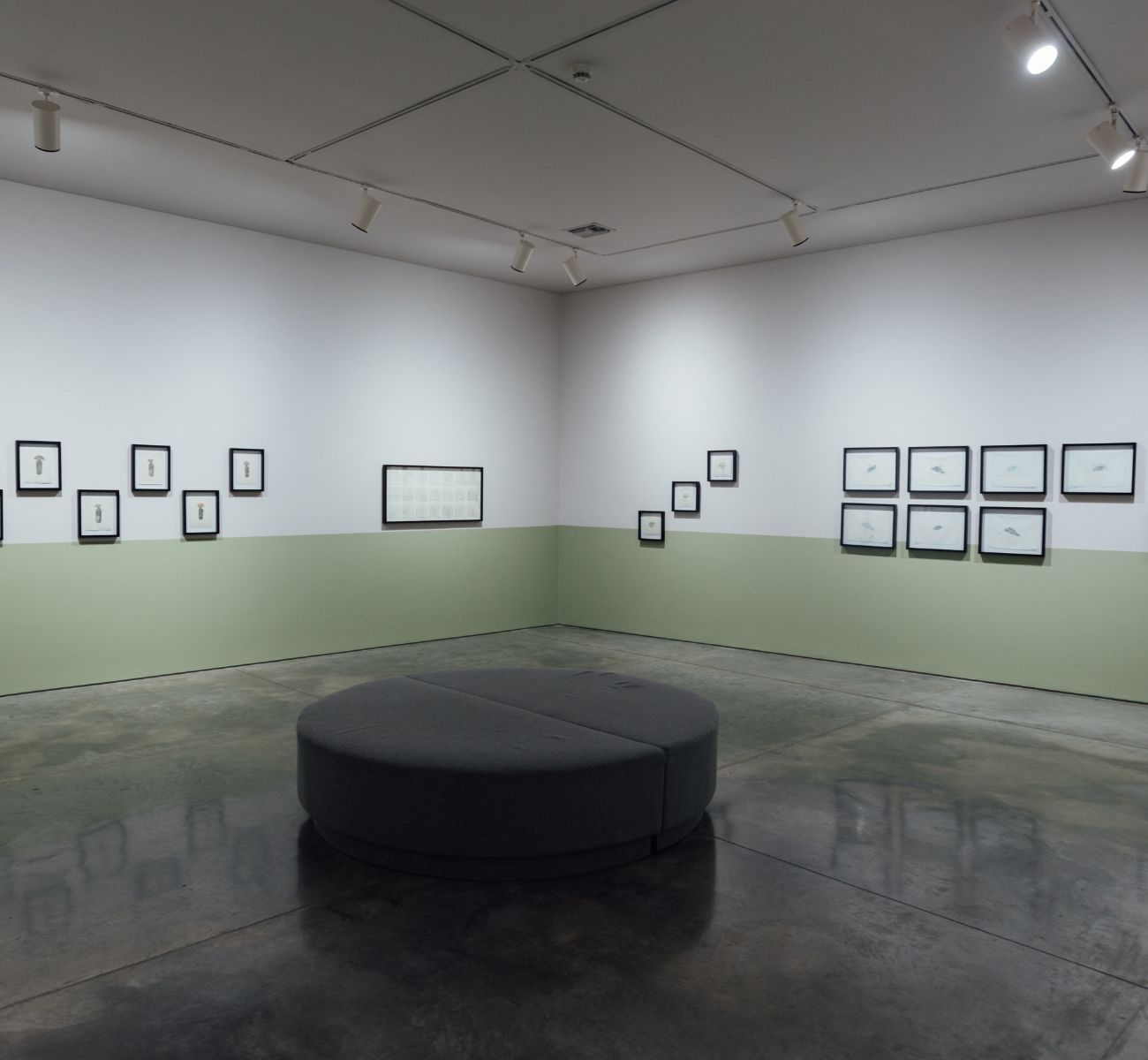
 From 02 of October 2024 to 16 of February of 2025
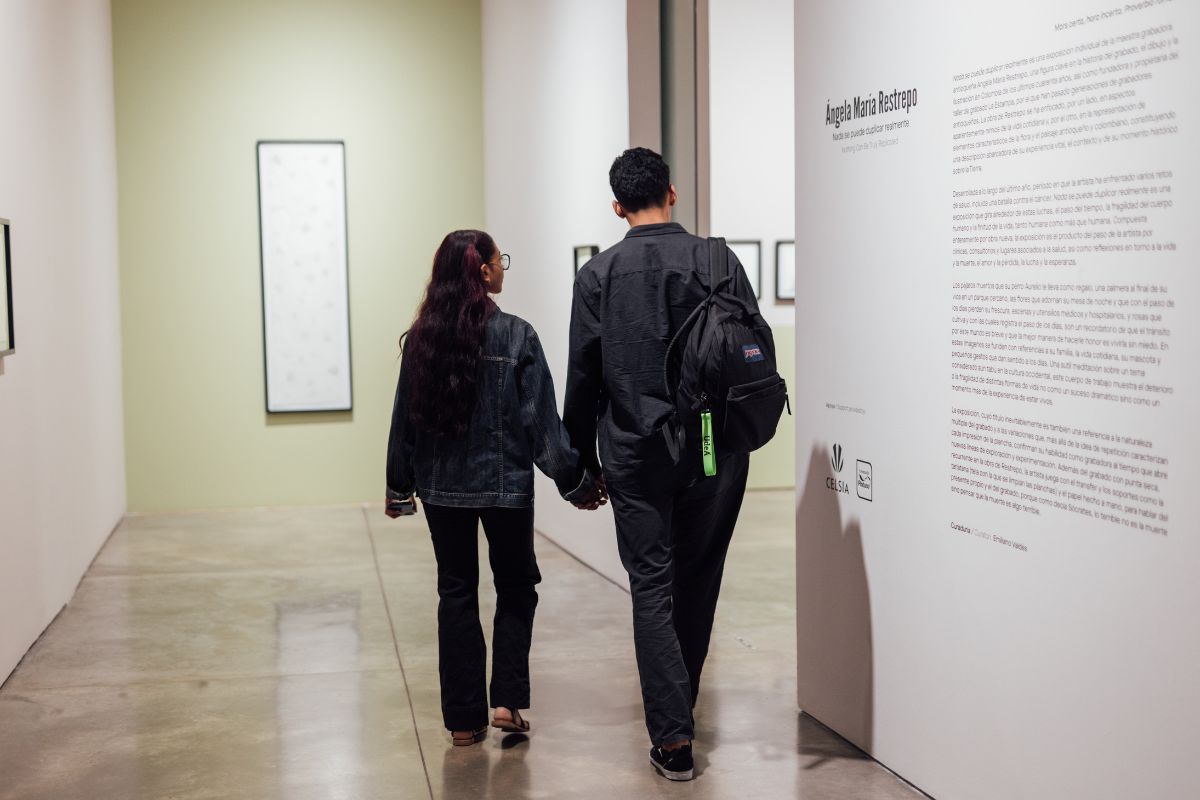
Developed over the last year during which the artist faced several health challenges, including a battle with cancer, the exhibition encompasses the artist’s personal experiences and reflections on the passage of time, the fragility of the human body, and the finiteness of life, both human and more-than-human. The show is composed of new work that represents the artist’s experiences in various medical facilities, periods of wait and contexts associated with illness, while also reflecting her contemplations on life and death, love and loss, struggle and hope.
The deceased birds that her dog Aurelio presents to her as a gift, a dying palm in a nearby park, the flowers that adorn her night table and that, with the passage of time, lose their freshness, medical scenes and utensils, and roses that she cultivates and with which she keeps track of days, serve as a reminder that the journey through this world is brief and that the best way to honor it is to live it without fear. These images incorporate allusions to her family, everyday life, her pets, and minor actions that imbue the days with meaning. This group of works offers a nuanced reflection on a subject that continues to be regarded with unease in Western culture but rather than portraying the deterioration or fragility of different forms of life as a dramatic event, the artist presents it as an integral aspect of the human experience.
The title of the exhibition references both the multiple nature of printmaking and the variations that, beyond the idea of repetition, characterize each print on the plate. Nothing Can Be Truly Replicated reaffirms once again the artist’s skill as a printmaker while opening up new lines of exploration and experimentation. In addition to drypoint engraving, a technique that features prominently in Restrepo’s work, the artist employs transfer and supports such as tarlatana (a cloth used to clean the plates) and handmade paper, materials that allow her to explore her own present and that of engraving because as Socrates observed, the terrible thing is not death itself but the belief that death is something terrible
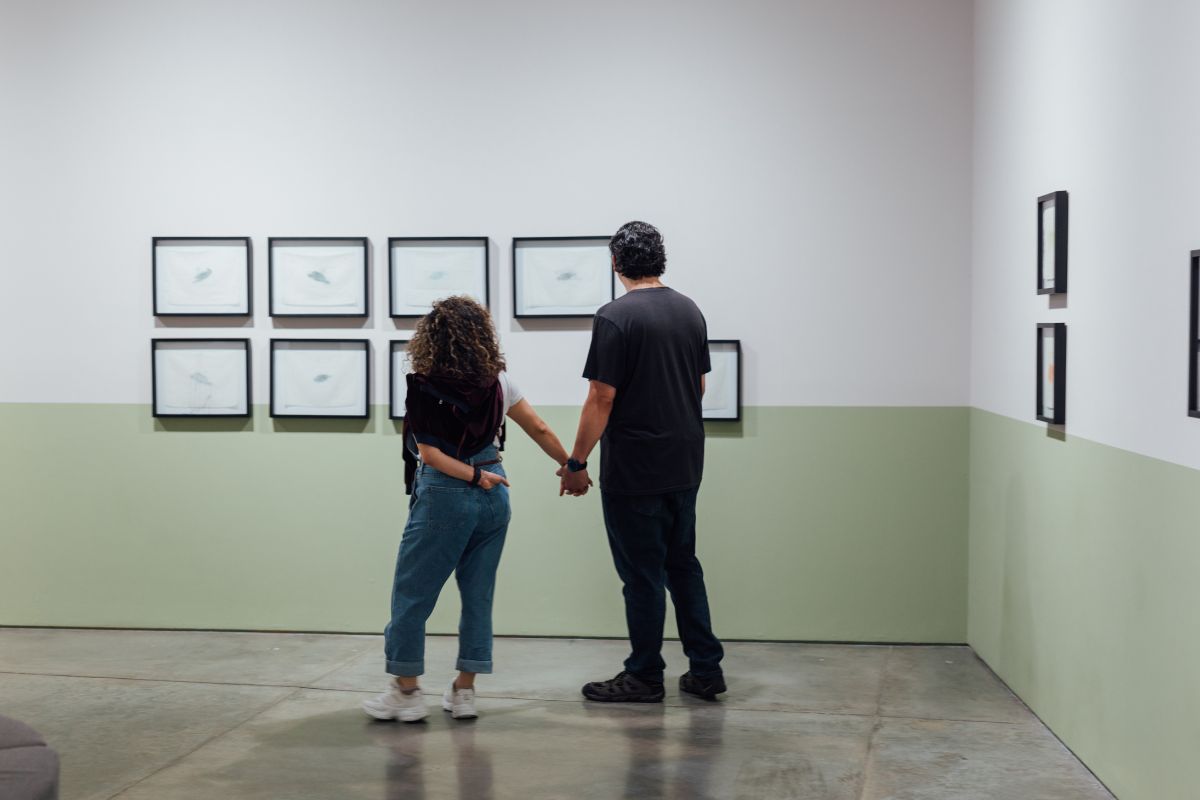
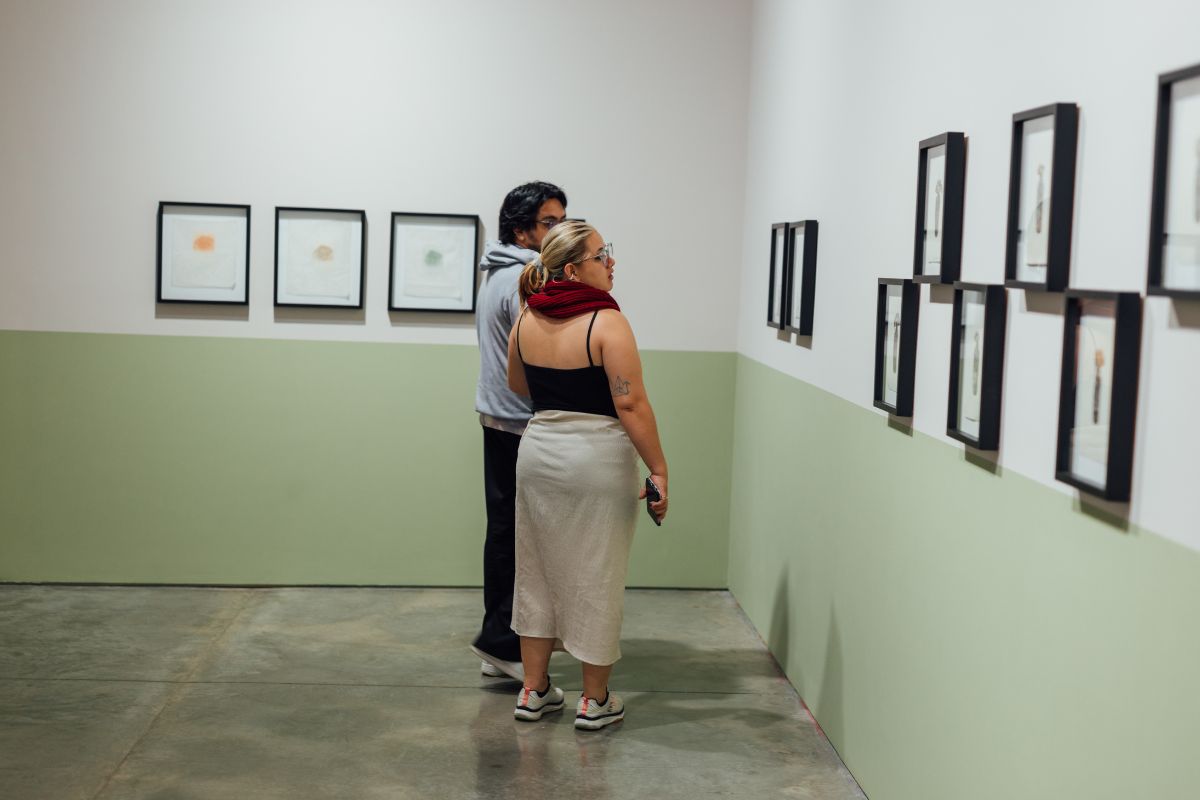
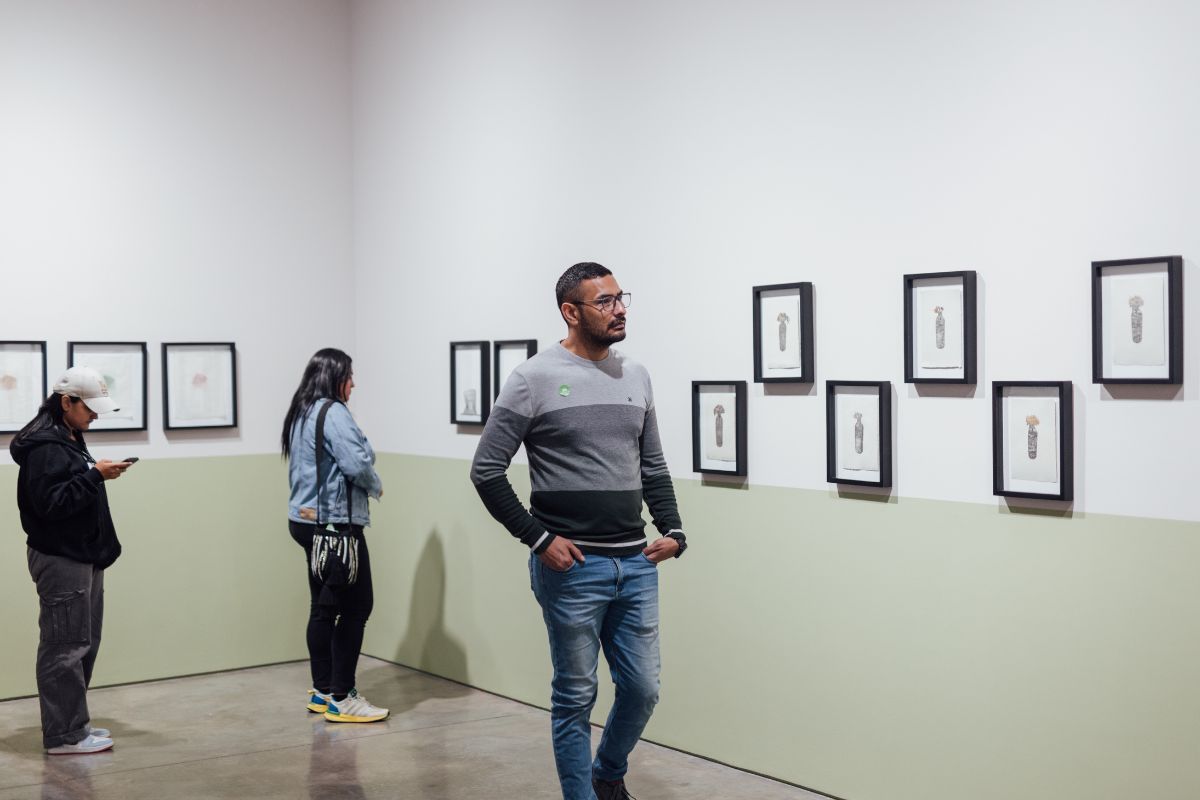
Relive the experience
Supported by
