 From 06 de July 2022 al 09 de April del 2023
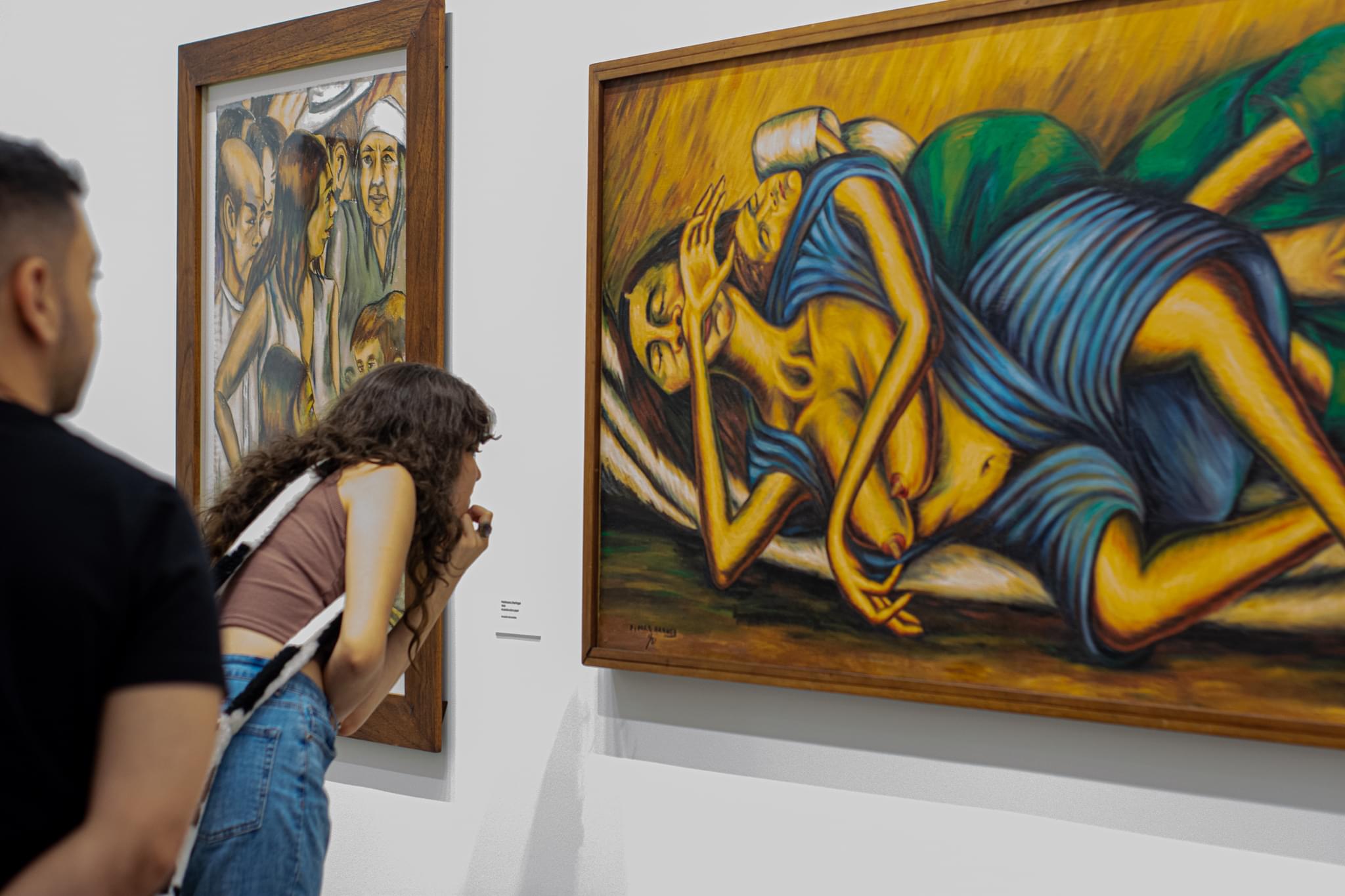
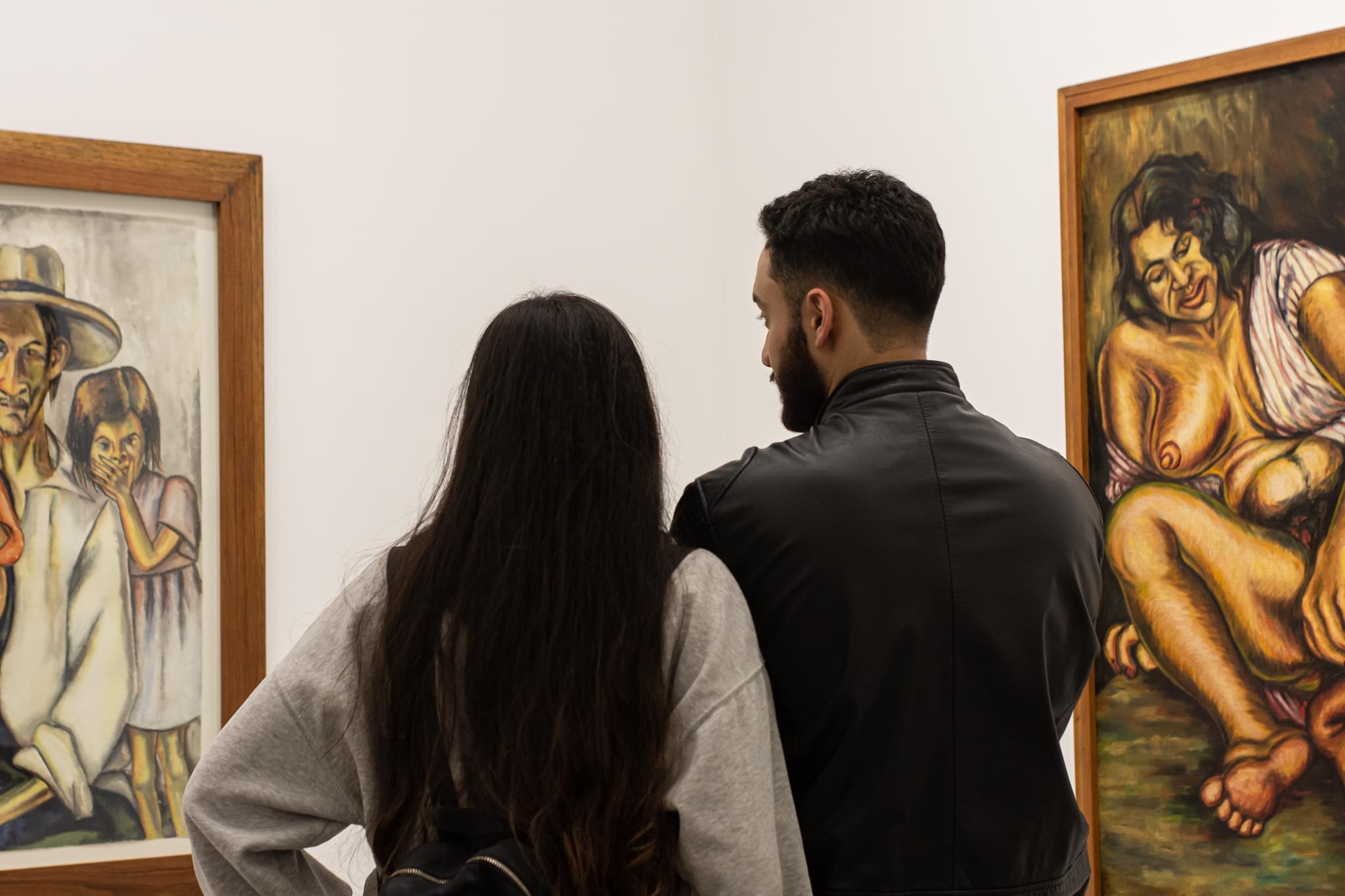
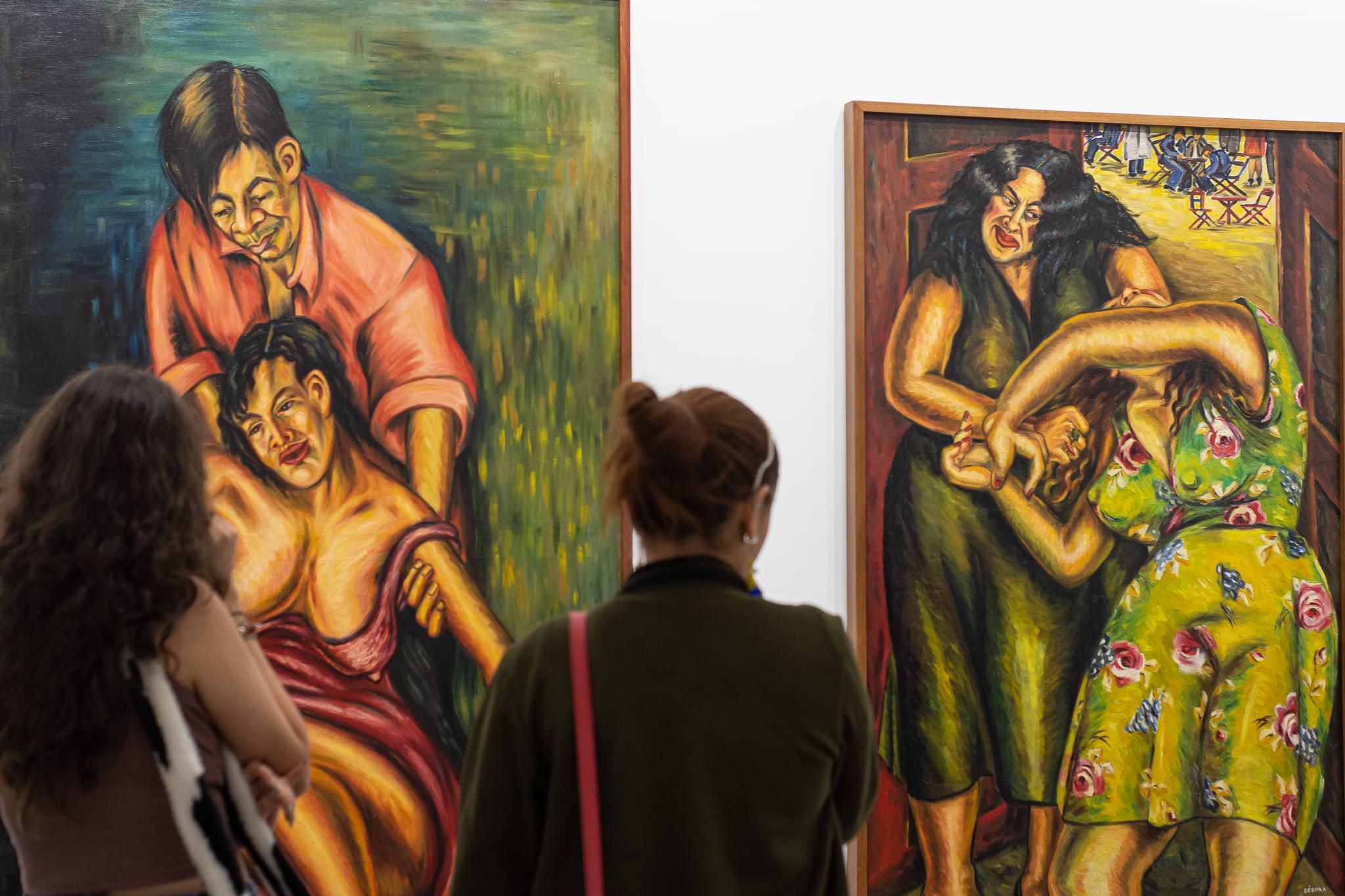
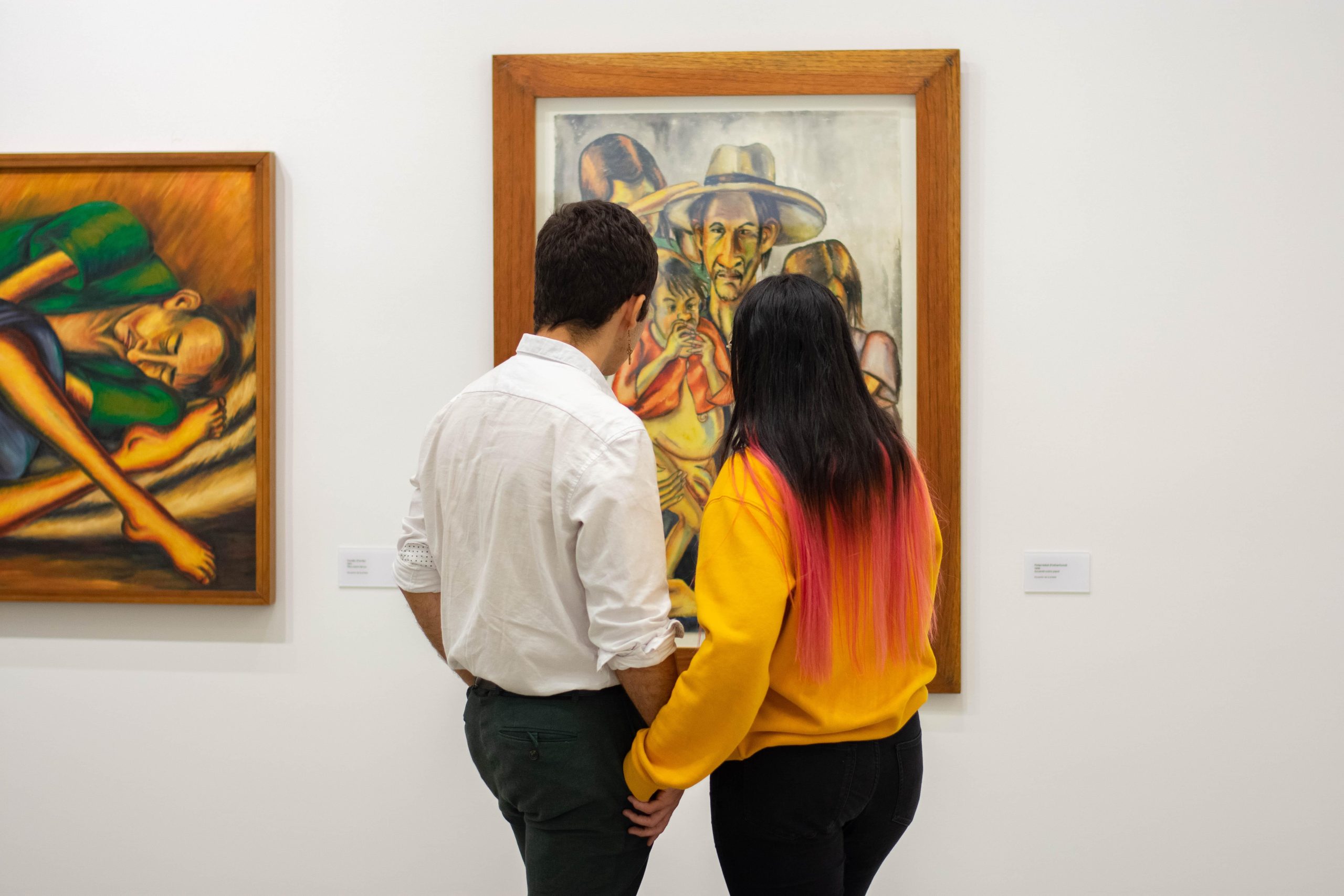
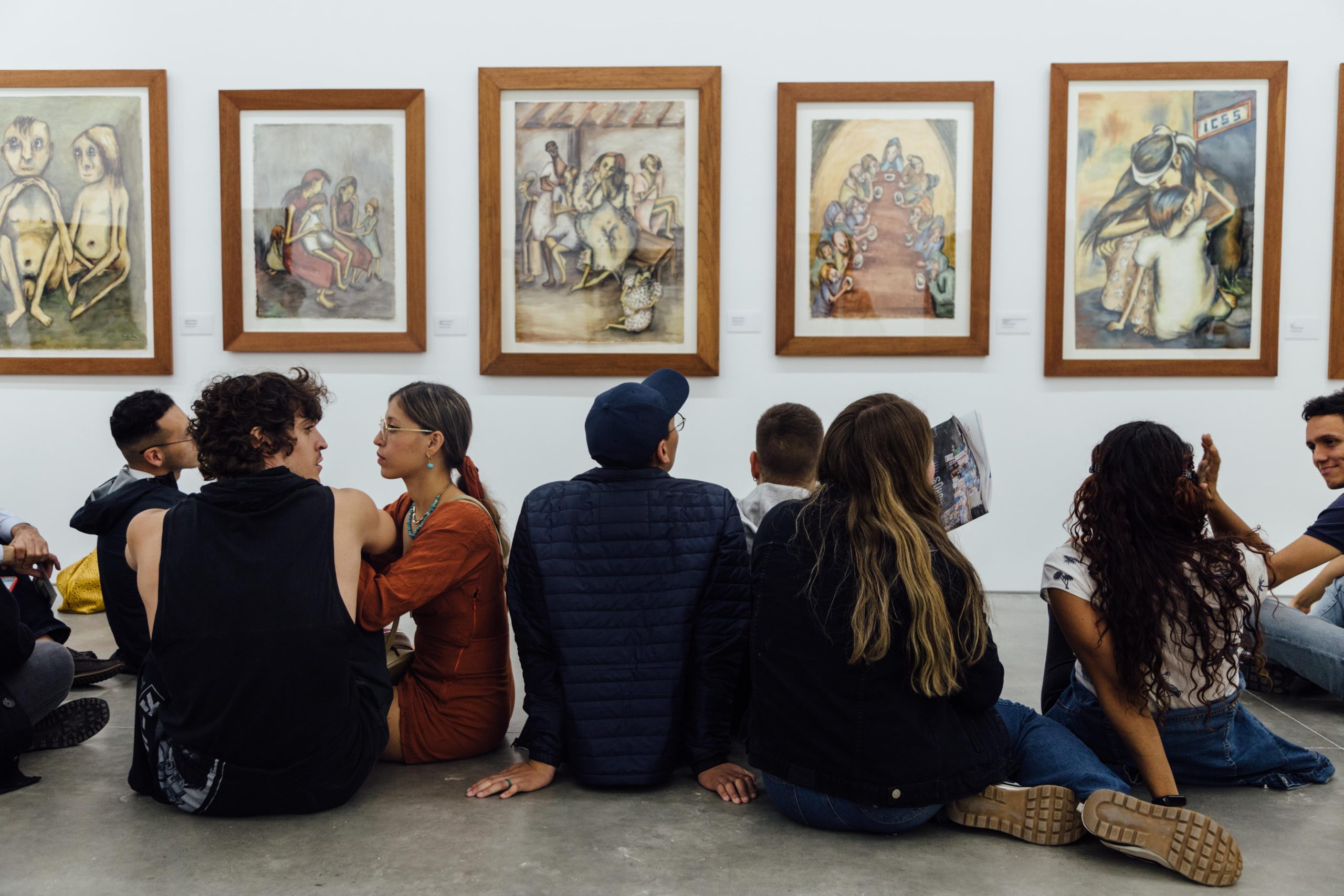
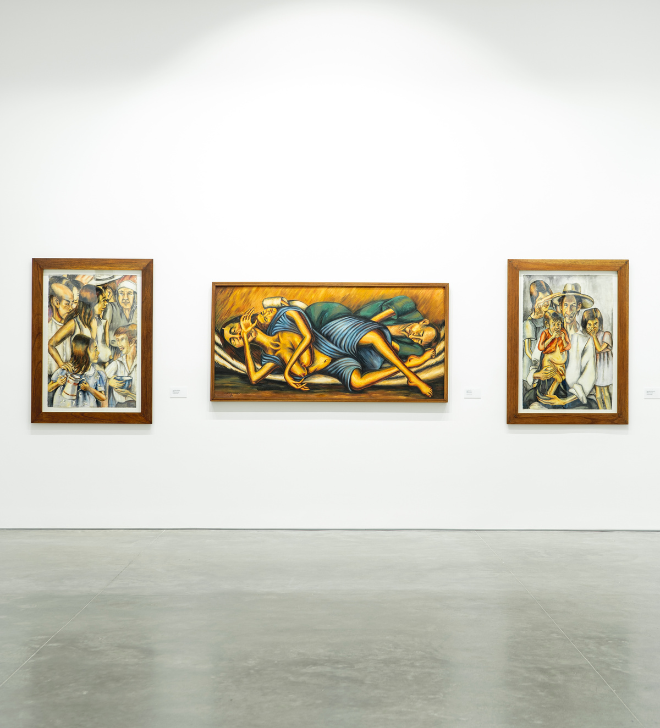
Throughout her career, she developed a distinctive style that aligned her with a strand of modern Latin American painting that expresses the desire to portray social reality, to reproduce it as it presents itself, without fears, taboos, or prejudices.
Her work gave special importance to the problematic aspects of society, primarily those that exposed the prevailing injustice in different contexts, without abandoning the representation of simple and everyday scenes from her family or social environment that, by contrast, were reassuring.
The artist believed that painting cannot be limited to showing reality, as it must foster a stance toward the world that incites rejection of what it reveals, that contributes knowledge, or that provokes empathy. She asserted that “one must commit in some way,” which in her terms did not necessarily mean aligning with a specific political idea but rather taking on the task of recounting events with eyes wide open to everything happening, with a sharpened spirit, and through the renunciation of complicity with one’s own discourse to avoid complacency or assumed knowledge.
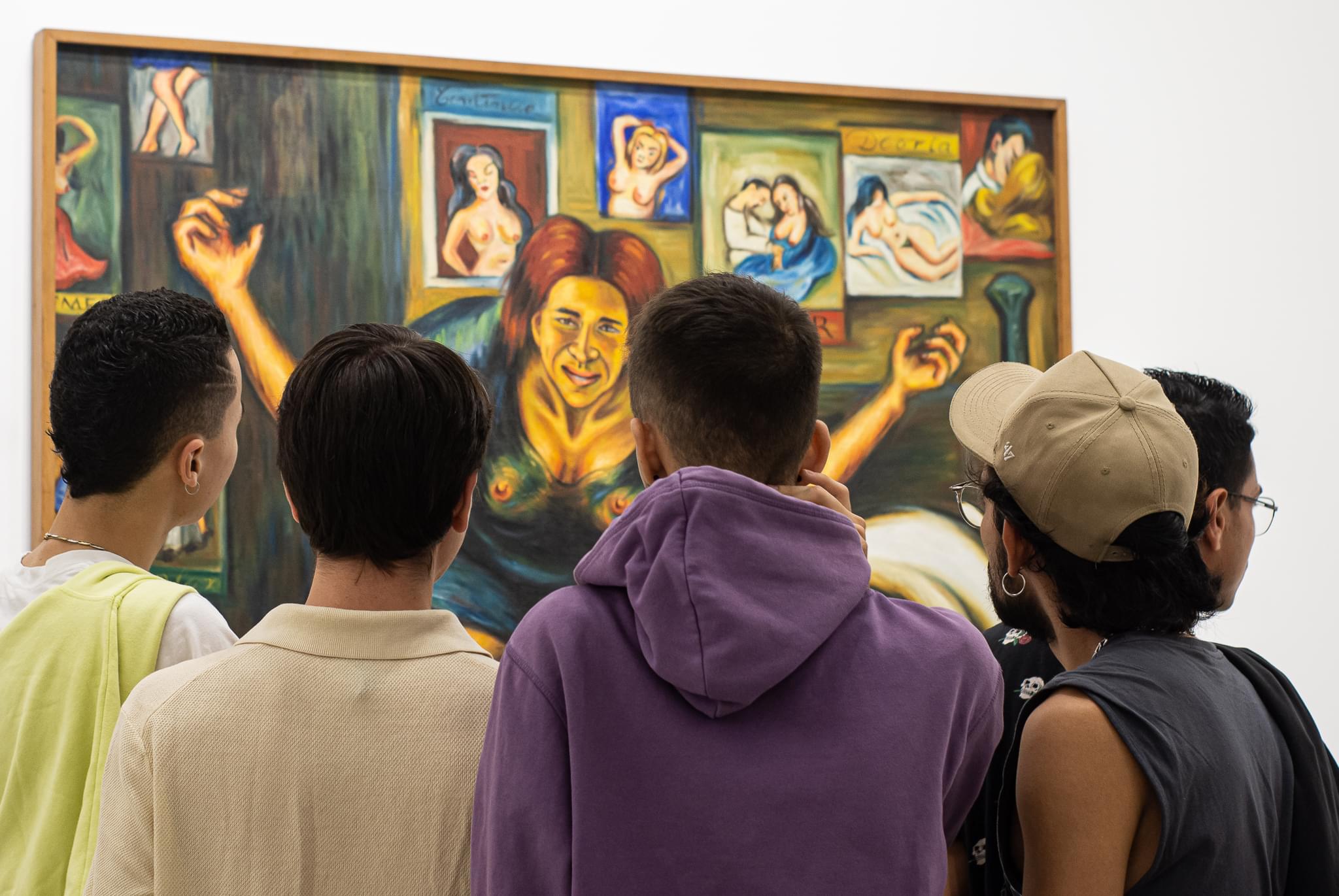
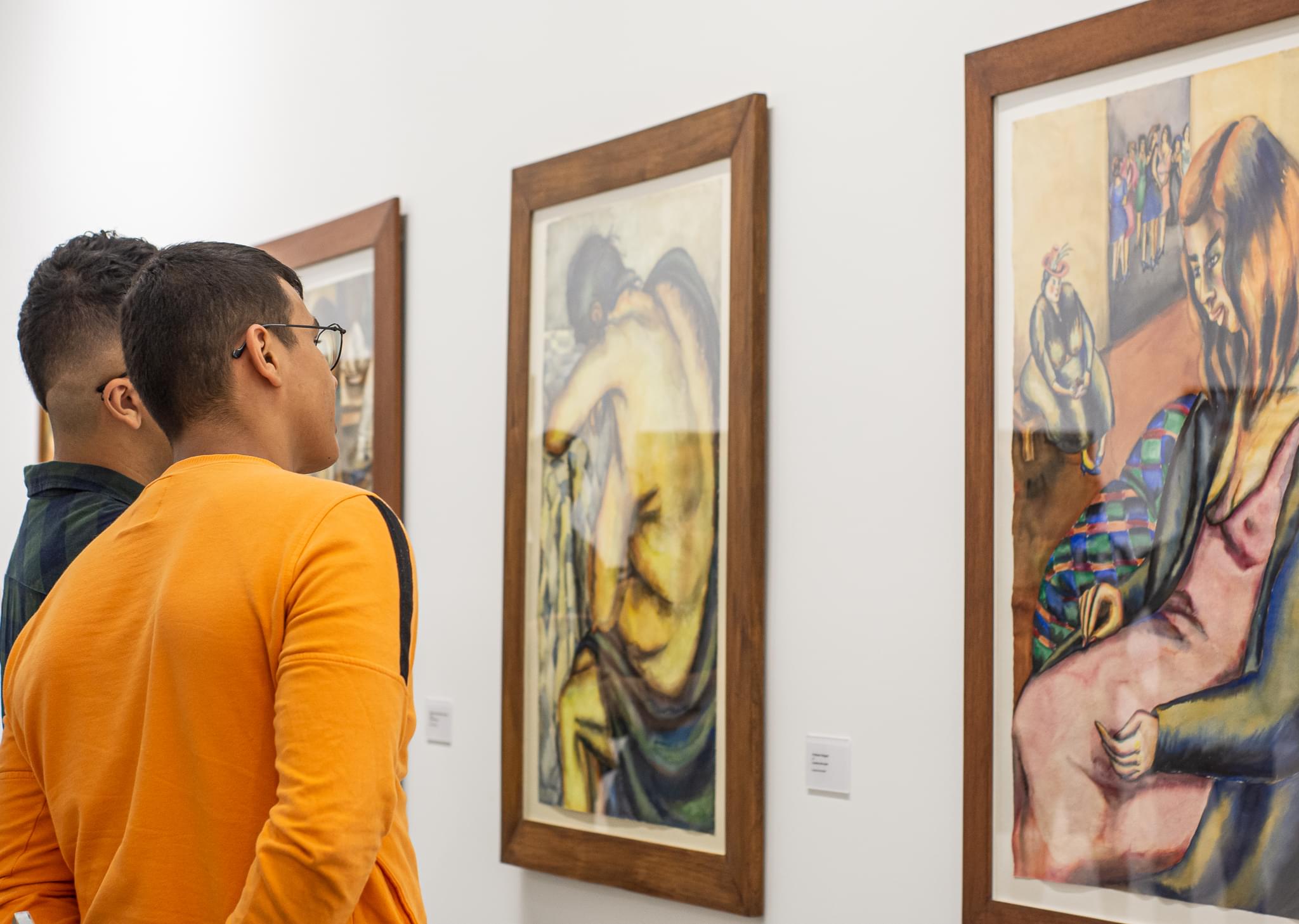
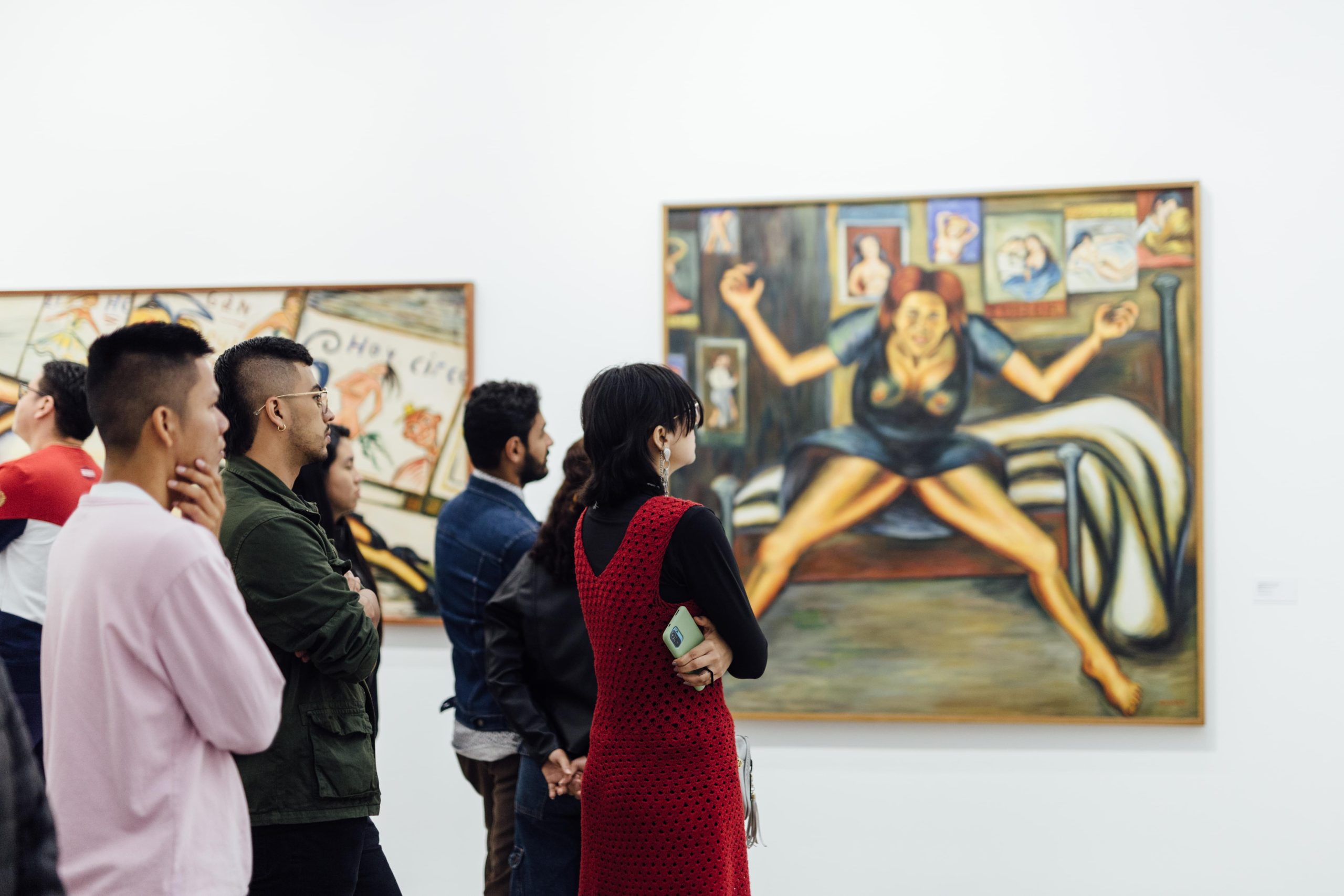
The works related to social denunciation arise from the urban reality of Medellín in the 1940s and 1950s. However, her work is not categorized as realist because the artist frequently resorted to the distortion and caricaturization of faces to produce expressive effects. Because of this trait, as well as her brushwork and the chromatic selection of her work in which strong colors predominate, critics associate Arango’s work with expressionism, even though she viewed it in a particular and subjective way.
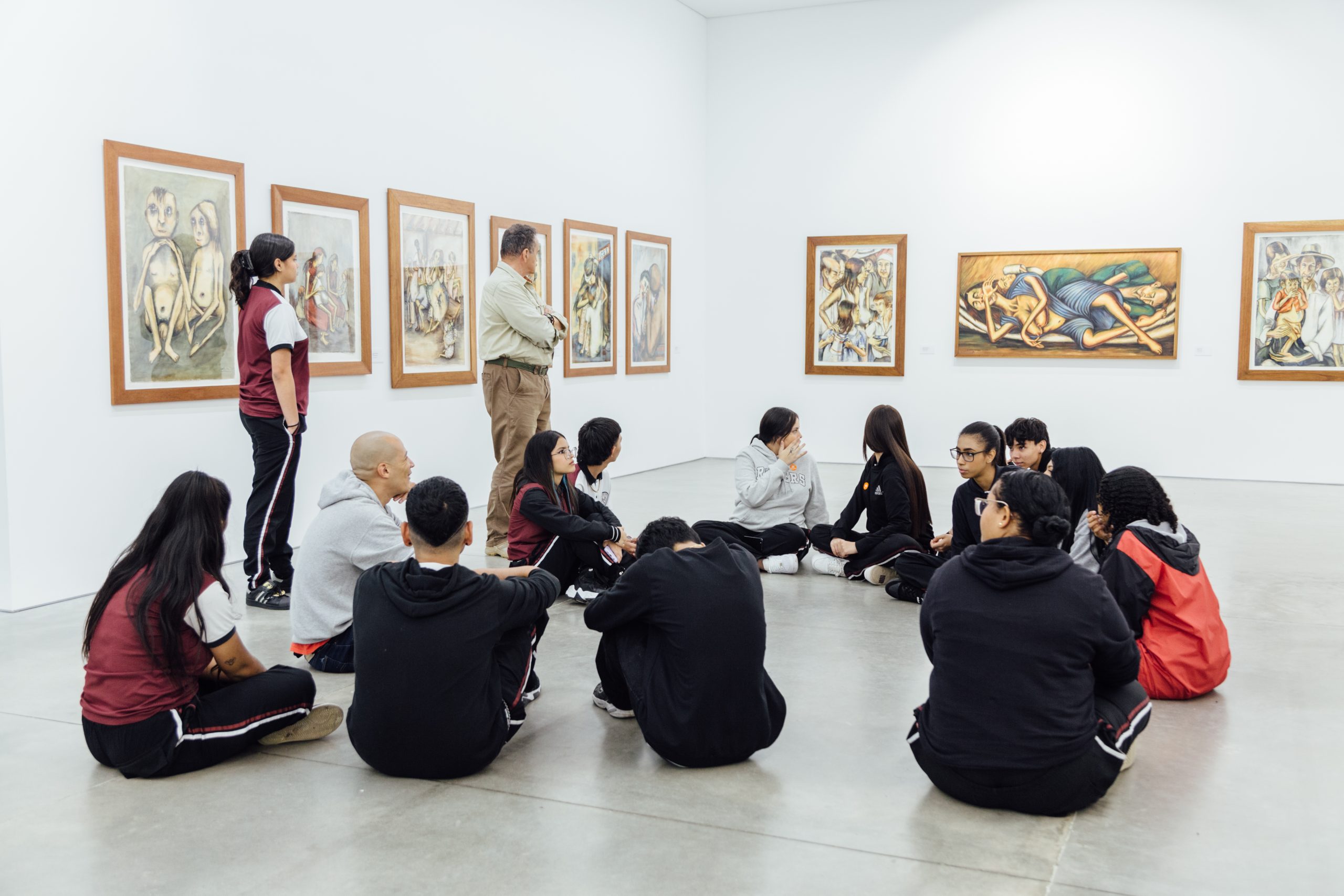
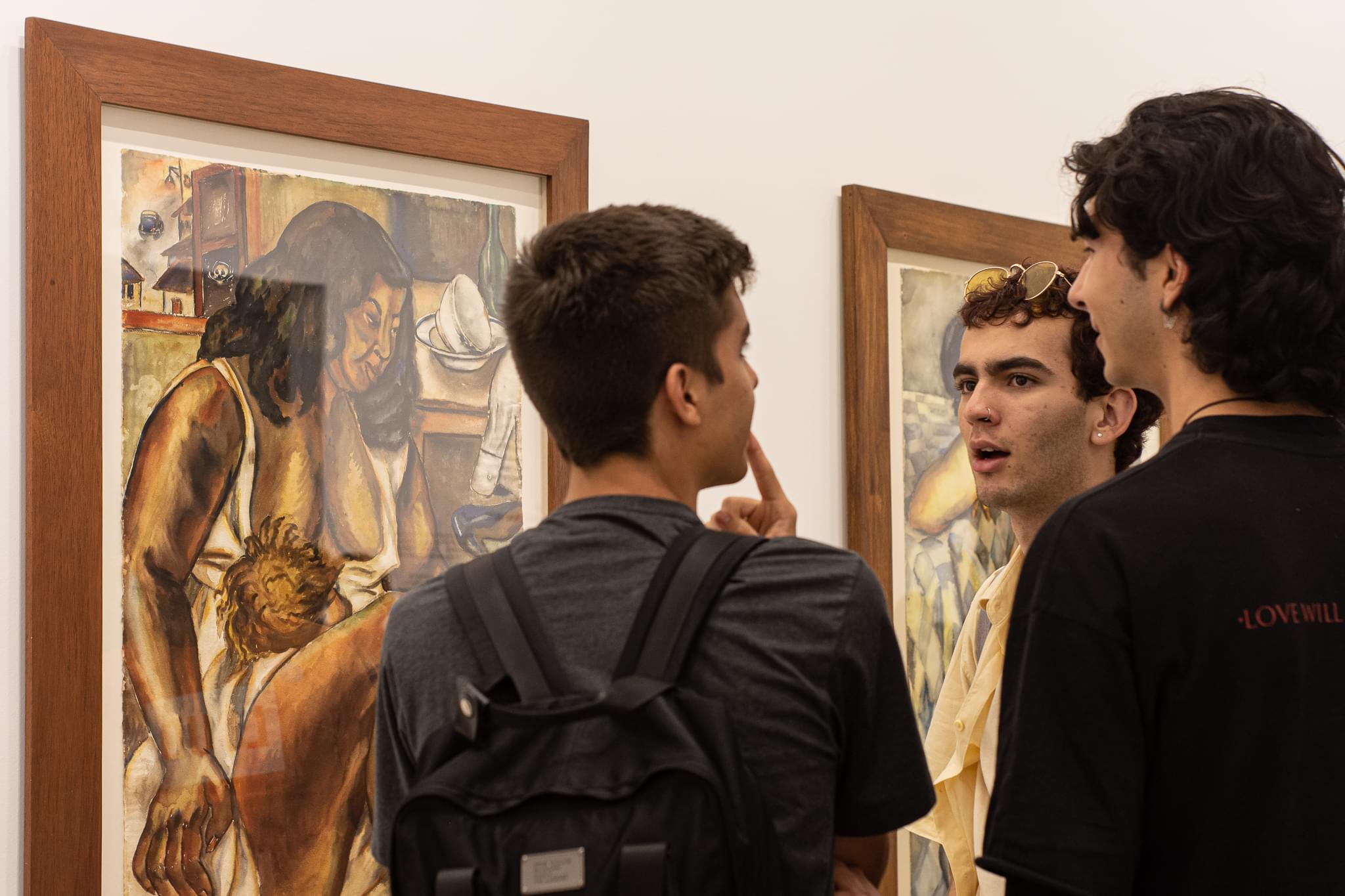
The artist reserved a privileged space in her work to make evident the recurring manifestations of social injustice in the Colombian context, such as poverty, maternity and paternity under adverse conditions, violence, hunger, prostitution, orphanhood, and the inequitable treatment of women. To the extent that Arango imposed upon herself the duty to narrate reality critically, she earned the reputation of having a “man’s gaze”—a hard and direct look at the sharp issues of society that was not permitted to women of the era, such as involving themselves in political affairs or confronting actors like the Catholic Church and the military.
In Débora’s way of narrating social injustice, what stands out is her pointing to poverty, as it can entail the renunciation of the right to modesty, and the idea that motherhood under such conditions is condemned to promiscuity—that is, to the care of children left in the charge of everyone and anyone, to their difficult hygienic and nutritional conditions, as well as to clandestinity during pregnancy, childbirth, and breastfeeding. Without being a feminist, or perhaps ahead of this movement, the artist’s work reflects on the implications of disparity in gender relations and concludes that violating women poses a threat to society, since reproduction, childhood, the management of the domestic sphere, and various trades depend on her, beyond the fact that the private space establishes relational patterns that will be reproduced in the public realm. Hence the universality of her work.
This exhibition inaugurates the new Sala D J. Mario Aristizábal, built thanks to Conconcreto with the support of Lina Correa Mejía.
Experience it live