 From 06 of July 2022 to 30 of October of 2022
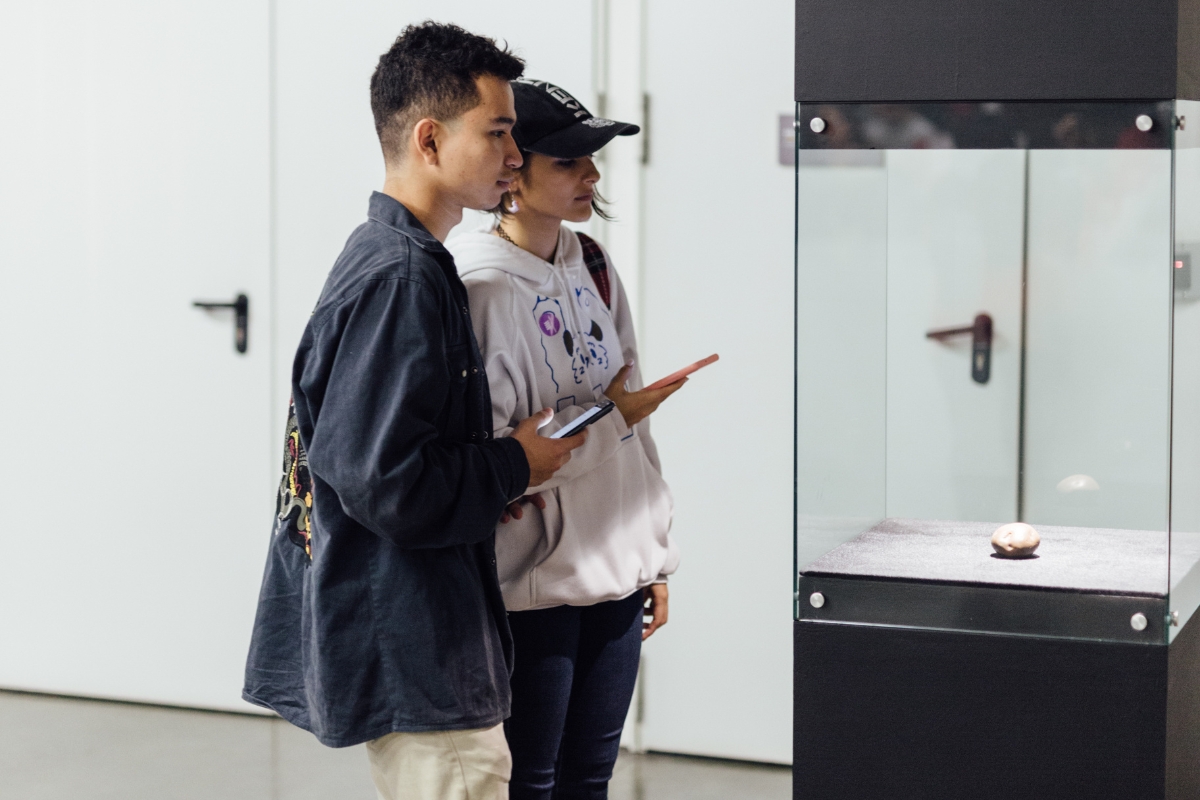
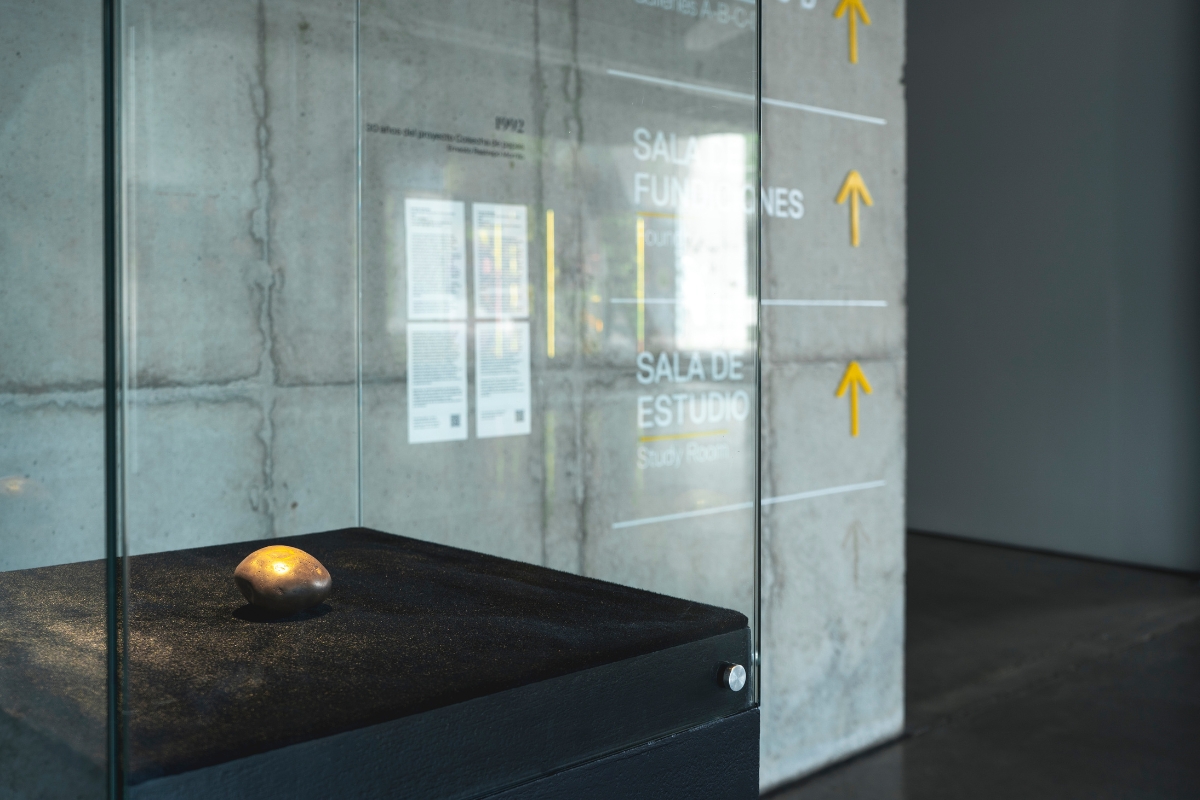
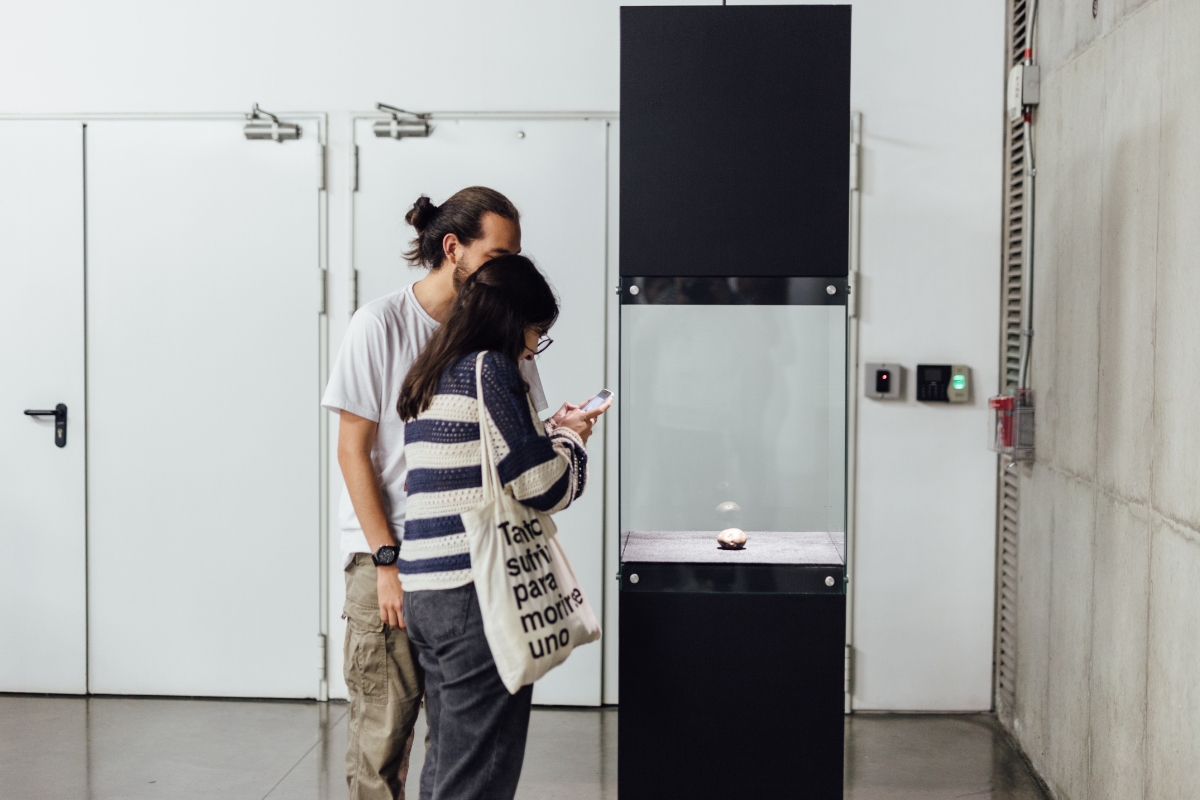
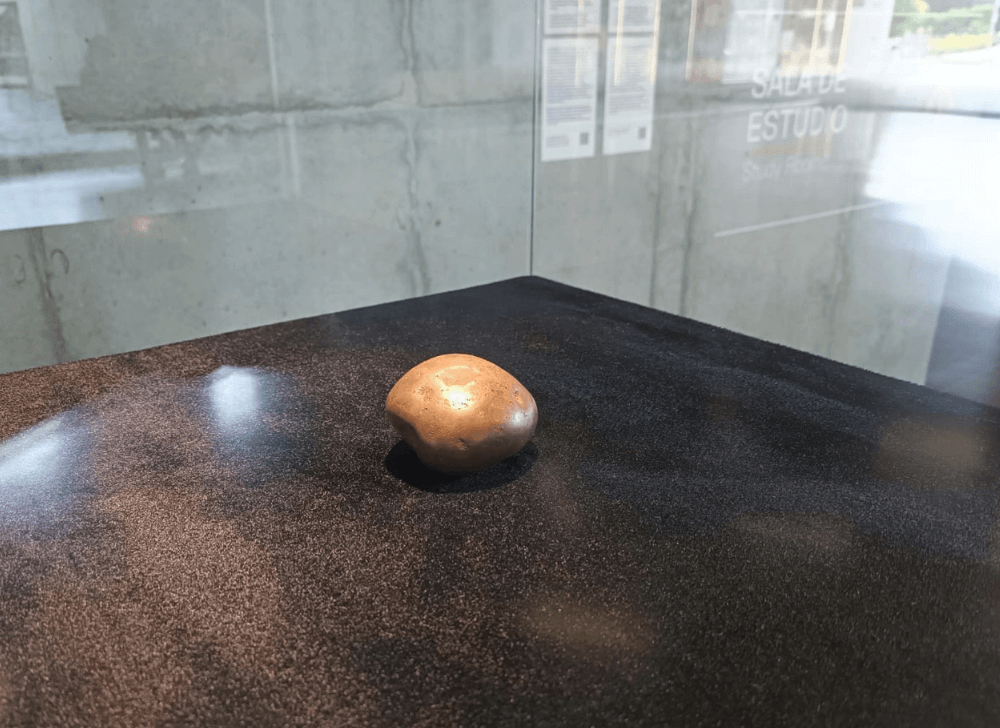
The first harvest was carried out in 1992 to commemorate the fifth centenary of the conquest of America and constitutes a tribute to an element that, being American, “conquered” the Old World by becoming a constitutive part of its diet and culture. One of these potatoes, belonging to that first “harvest” initially exhibited at the Galería de la Oficina in Medellín, and which later gave rise to other versions and projects always centered around the potato as subject and symbol, will be displayed in the entrance hall of the Museum as a tribute to this common, even “earthy” element, as the artist describes it, which functions as a form of reclamation or “counter-conquest.” The work was created using clay casting with real potatoes as molds in the workshop of the renowned artist Hugo Zapata, with whom Restrepo was close.
The potatoes, which have become an unmistakable reference point for Restrepo’s work in the Colombian art scene, emerged from the context of a lush Medellín where fruits and vegetables “fell from the trees,” but also from a city mired in the violence and conflict of those years. In this context, Restrepo reproduced the fruits he saw in the city, whether on the street, at street stalls, or in the market, and placed them where he had found the originals. In this way, he prompted reflections on the relationship between the perishable and the permanent, the artificial and the natural, the native and the invasive, and ultimately, the relationship between America and Europe. Later, the artist began producing a harvest of potatoes each year, extending his reflection on colonialism to the economic backdrop of contemporary society, which encompasses and determines everything.
Relive the experience