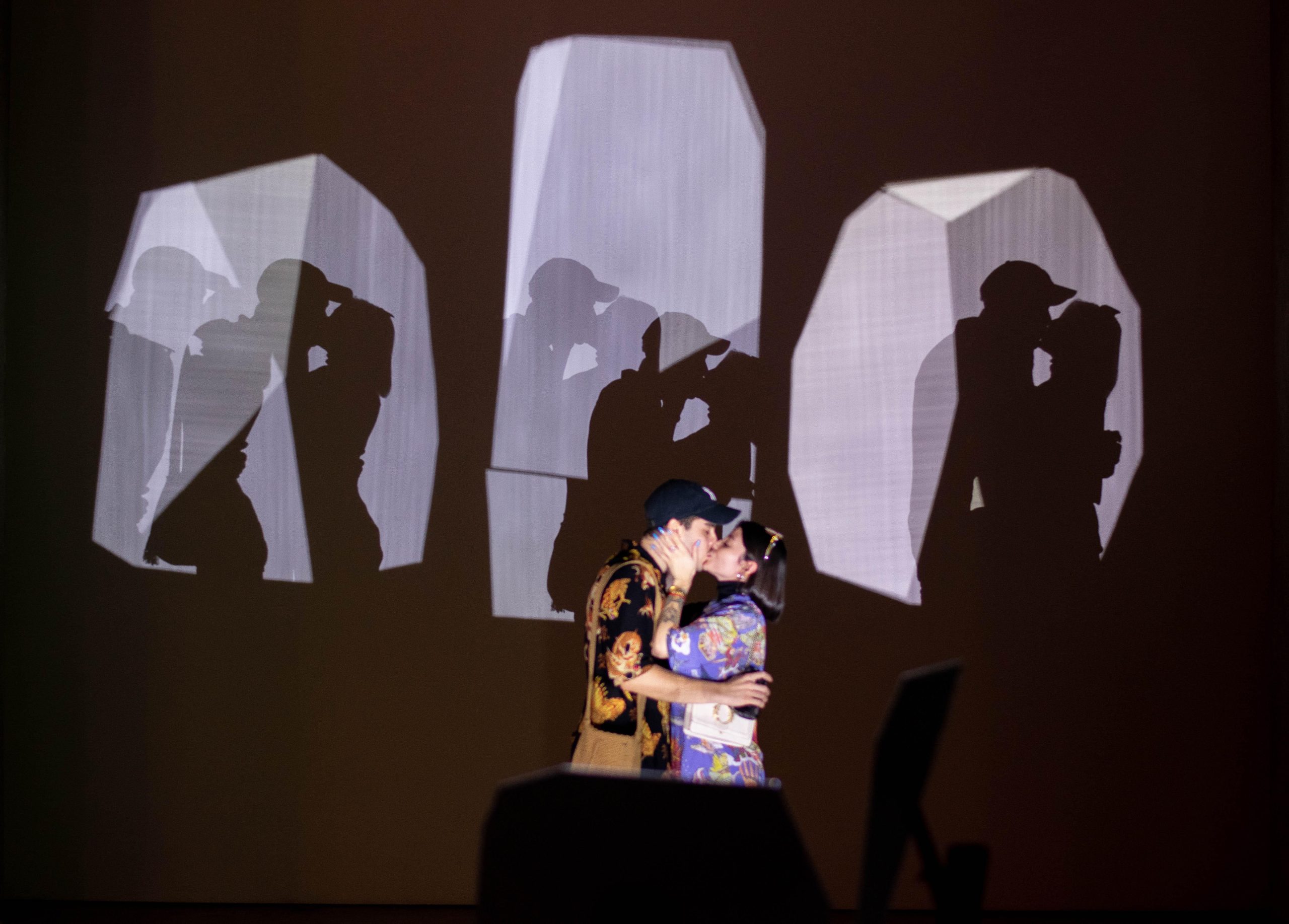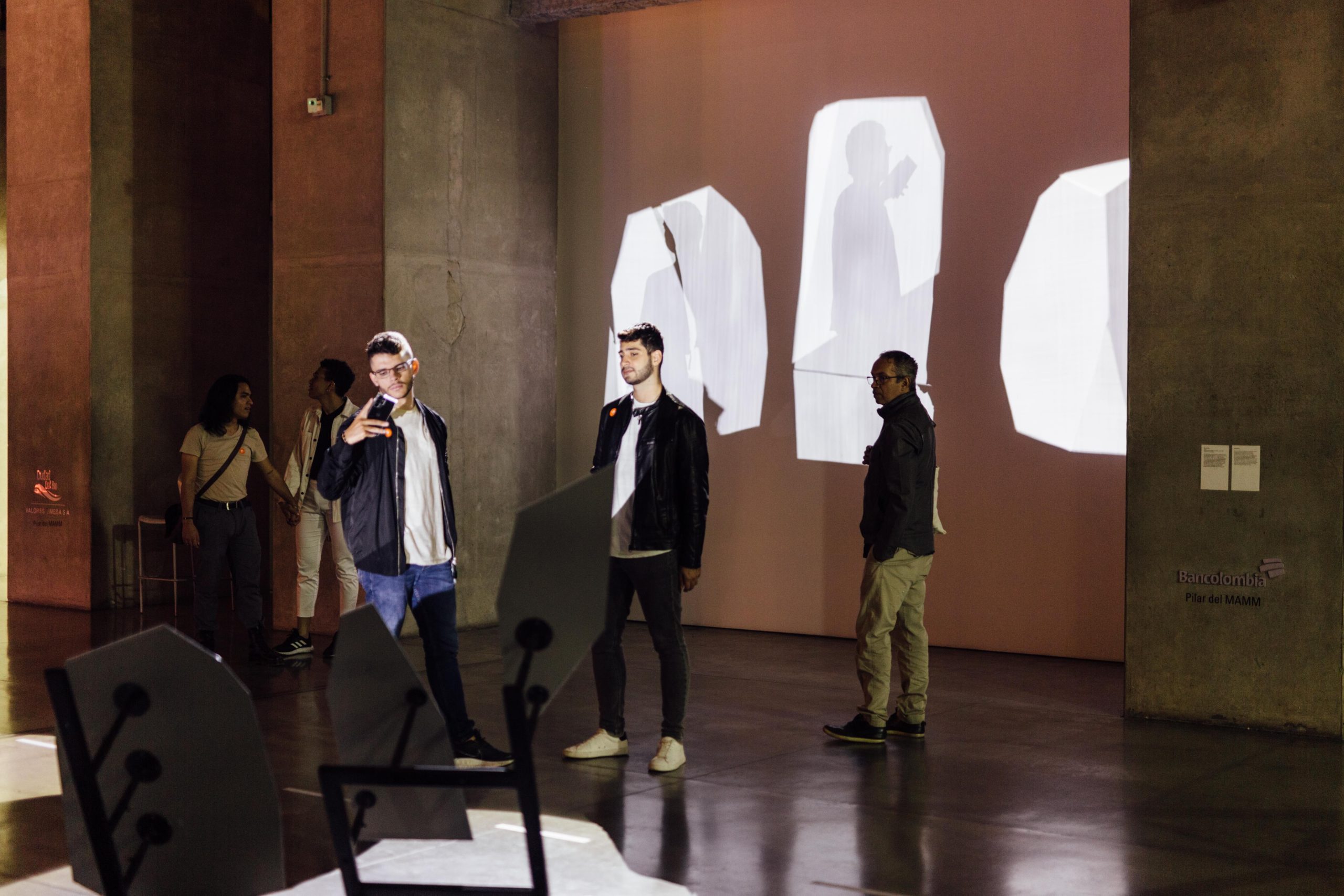
 From 06 de July 2022 al 30 de October del 2022
The exhibition John Mario Ortiz: Measuring Space, Shaping Territory presents an overview of approximately eighteen years of this artist’s career from Antioquia. His projects reflect a series of interdisciplinary relationships between art, architecture, geography, mathematics, and urban planning. His early works focused on the urban development of the city. In them, boundaries, fences, windows, plaques, and natural limits reveal how modern humans inhabit and encroach upon still-wild territories, while simultaneously maintaining a certain longing for nature within artificial and inert environments.
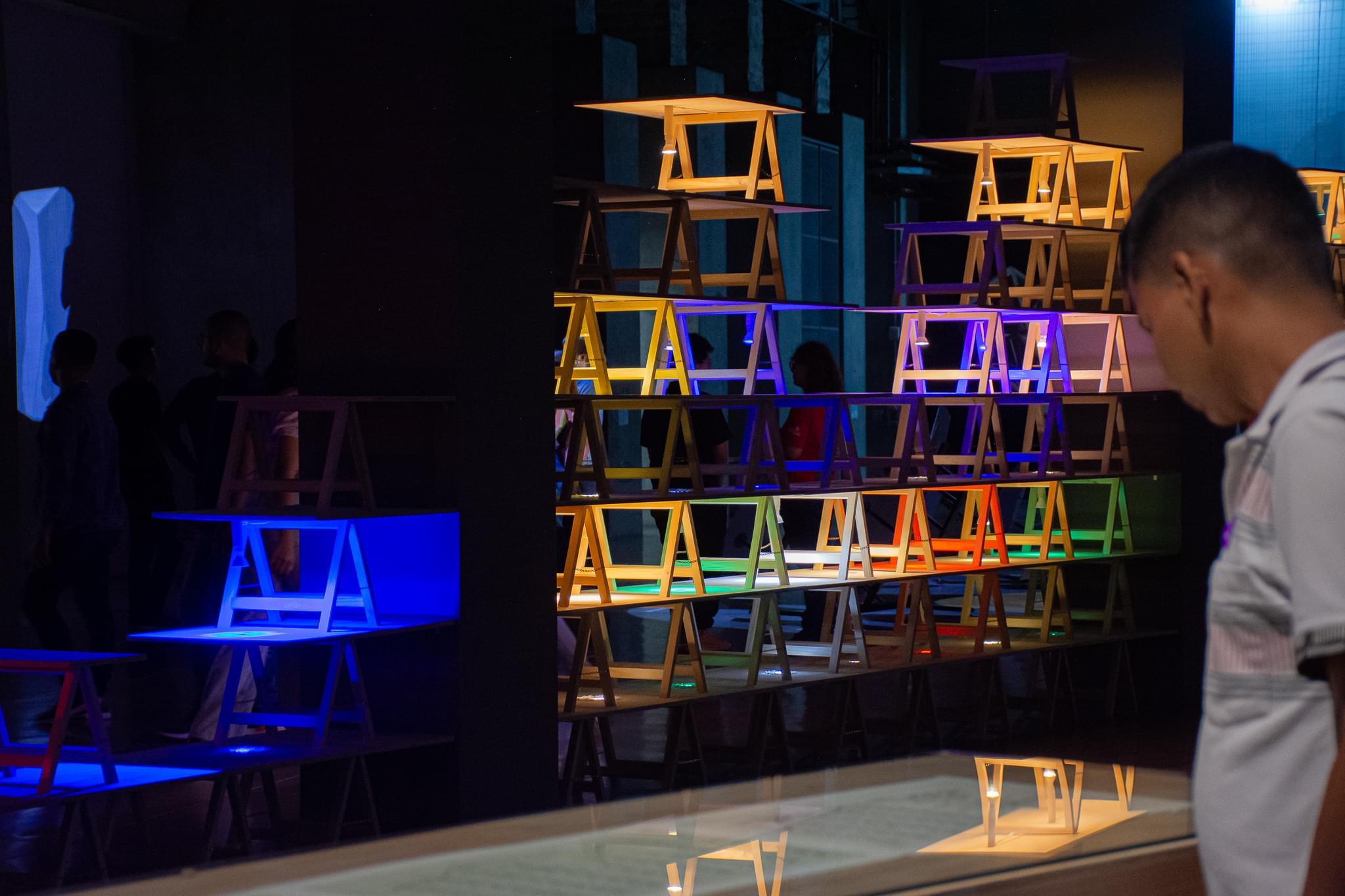
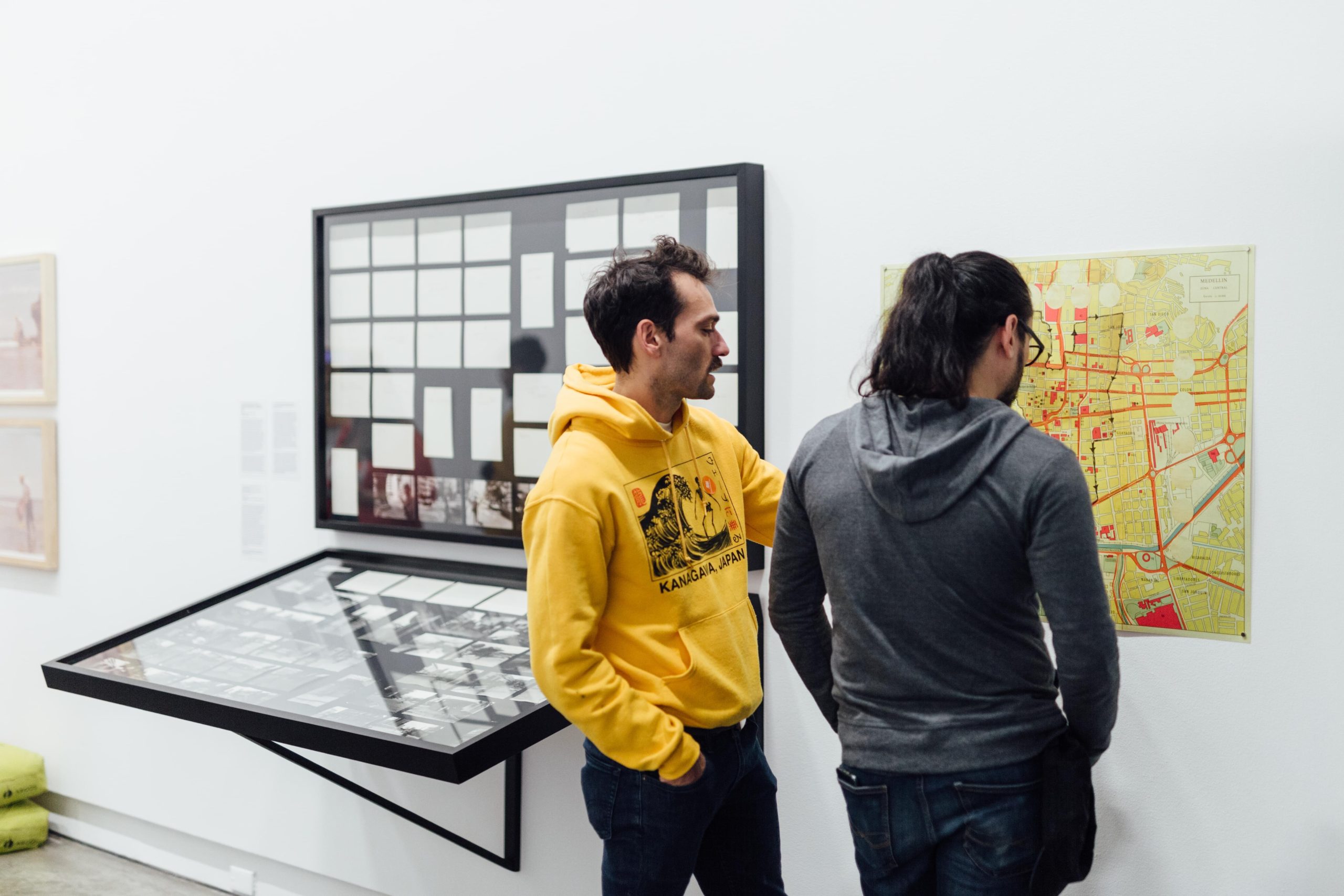
Throughout his career, Ortiz has employed diverse types of objects, materials, elements for projecting the territory, and procedures for measuring the urban environment. His works—such as drawings, photographs, assemblages, sculptures, installations, interventions, and aesthetic modulations—establish a link between the conceptual, the formal, and the emotional realm with the places where he creates them and with the spaces where they are exhibited, either temporarily or permanently. This retrospective exhibition also includes a group of works begun in 2013 that focus on historical revisions and geographical studies.
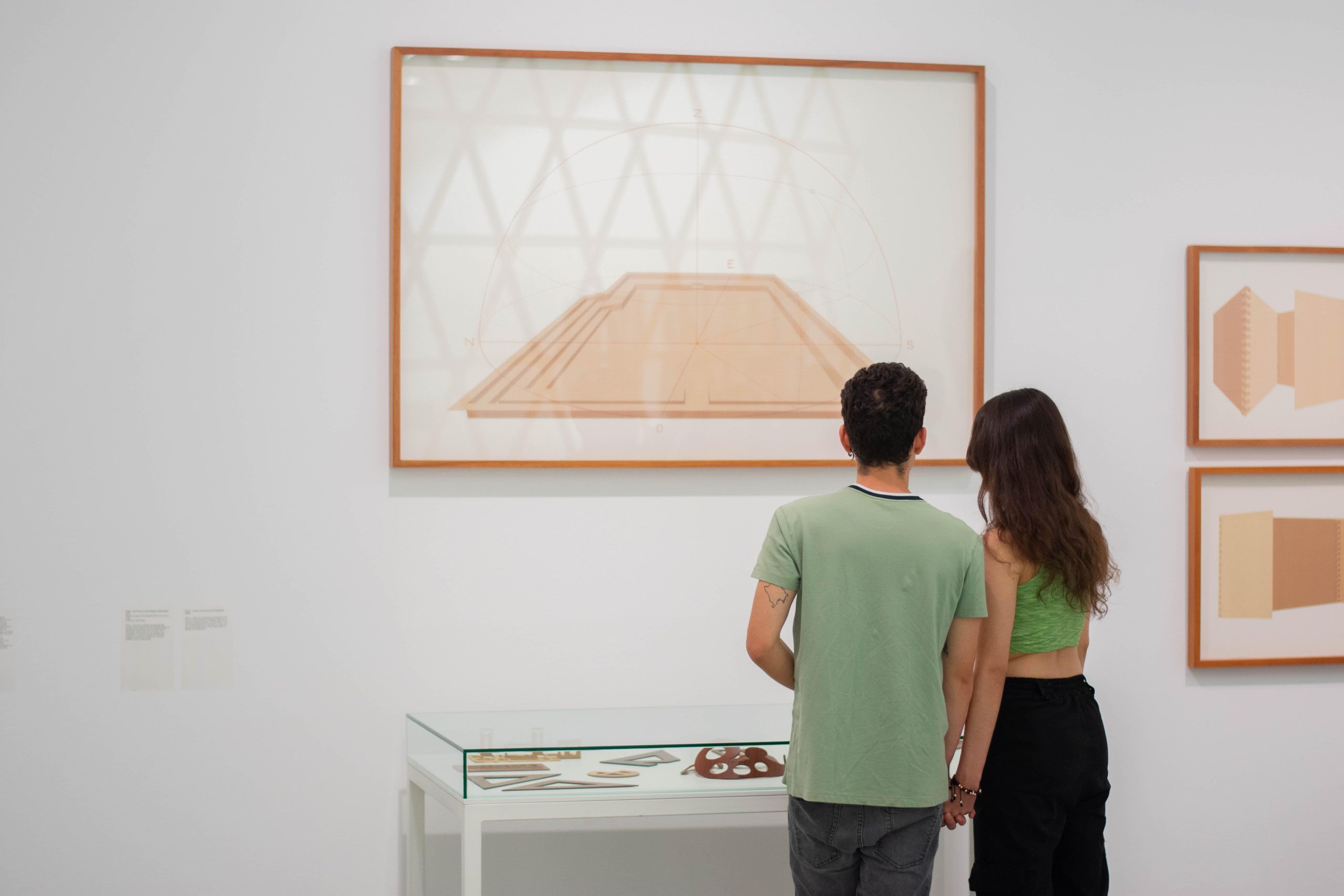
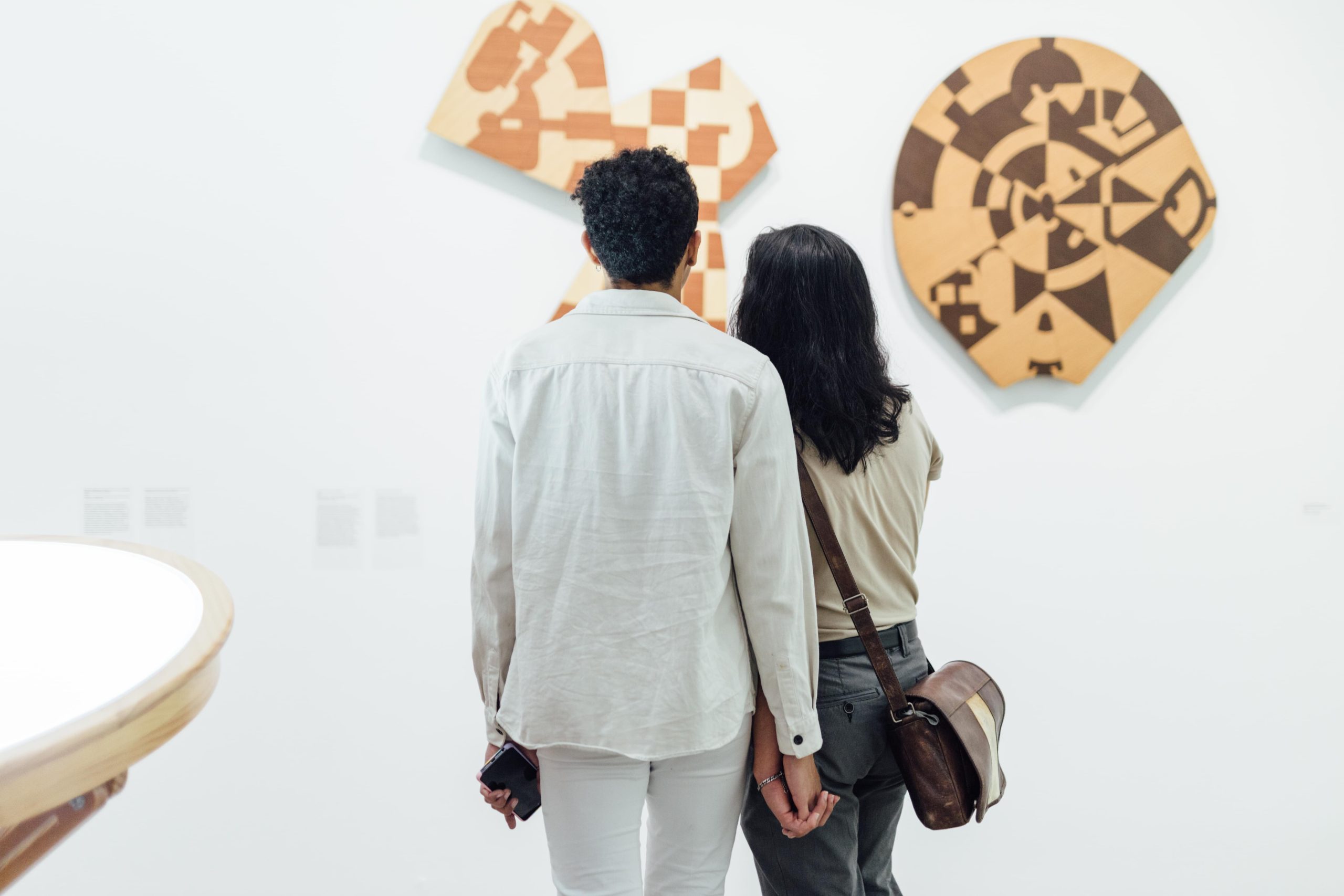
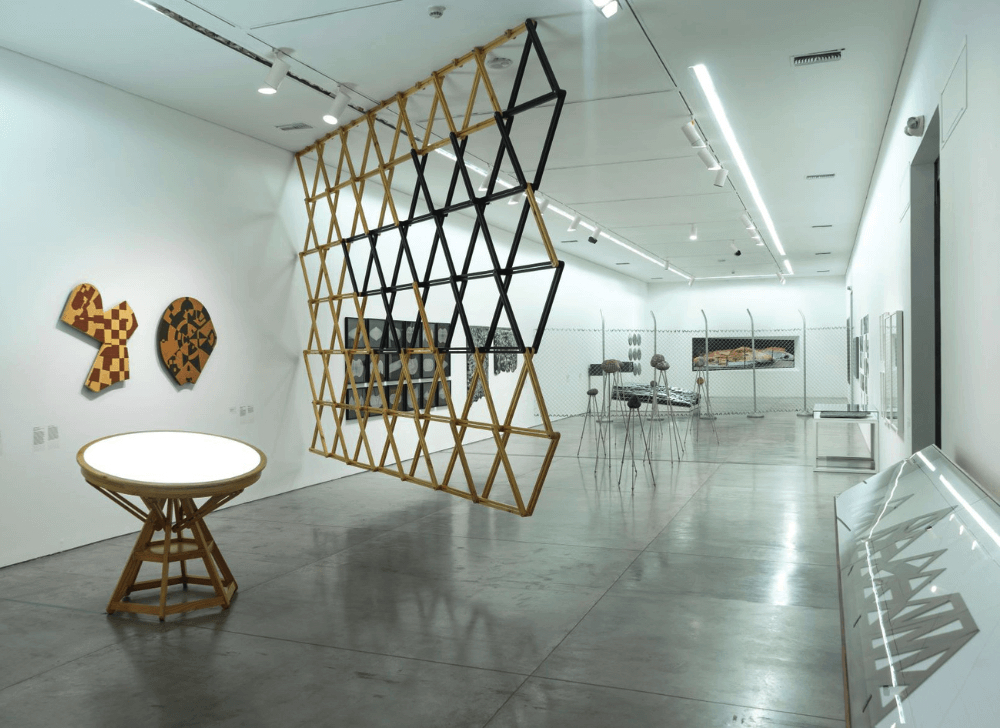
With works such as Horizonte Teorema (Theorem Horizon), Ortiz approaches the local mountainous topography, drawing on references from art, science, and architecture, such as Francisco Antonio Cano and his painting Horizontes (1913); the architect Rogelio Salmona; the scientist, geographer, and astronomer Francisco José de Caldas and his profiles of the Andes Mountains; the architect, urban planner, and artist Pedro Nel Gómez with his urban plans for Medellín, conceived in the 1930s and 40s; and the Dymaxion designs (a combination of the words dynamic, maximum, and tension) of the visionary American inventor Richard Buckminster Fuller. The artist materializes and interprets the works, ideas, and drawings of these modernist thinkers through sculptures based on architecture, technical landscapes, prominent installations, drawings produced on graph paper or isometric grids, and wooden elements resembling measuring tools such as rulers, set squares, and protractors.
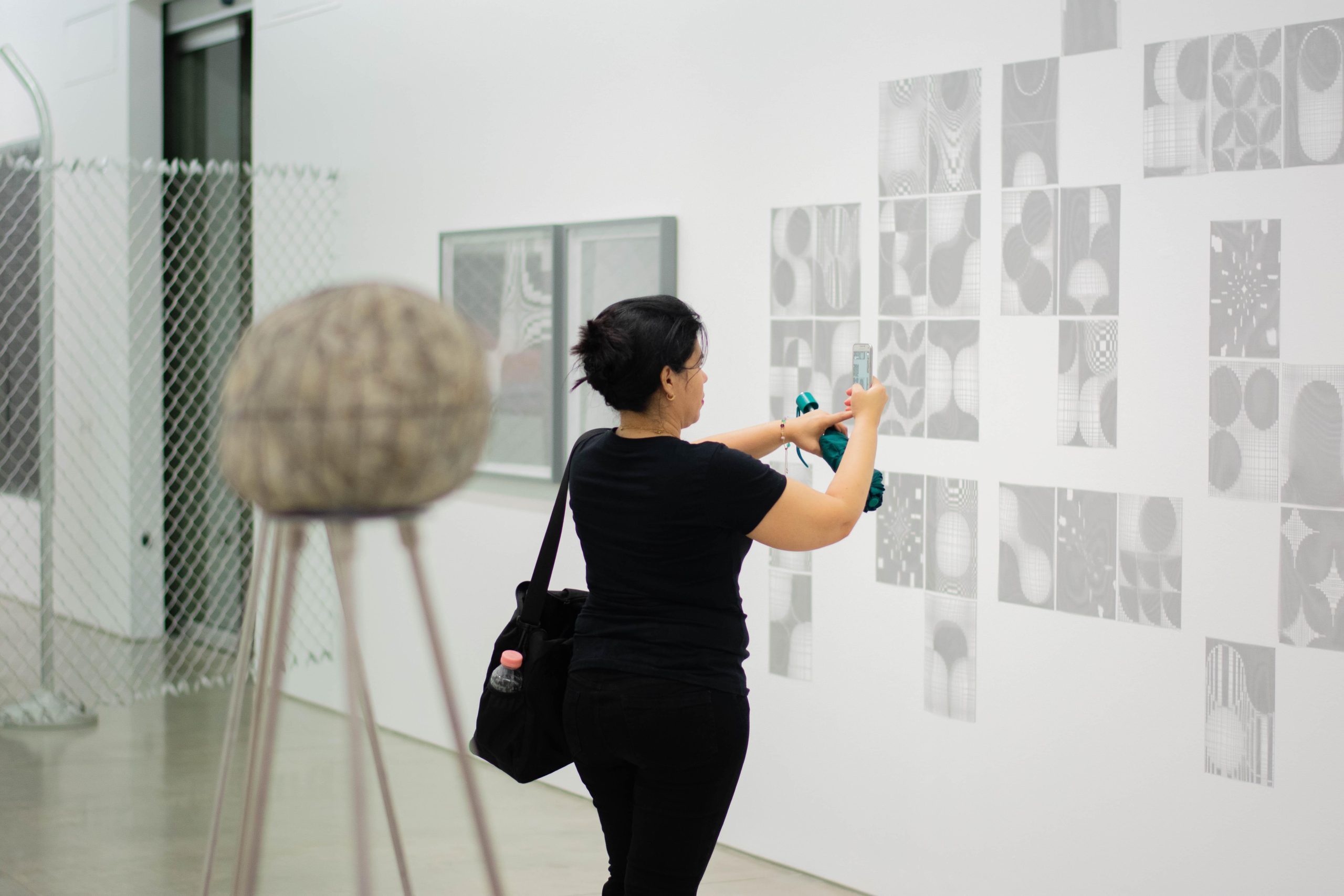
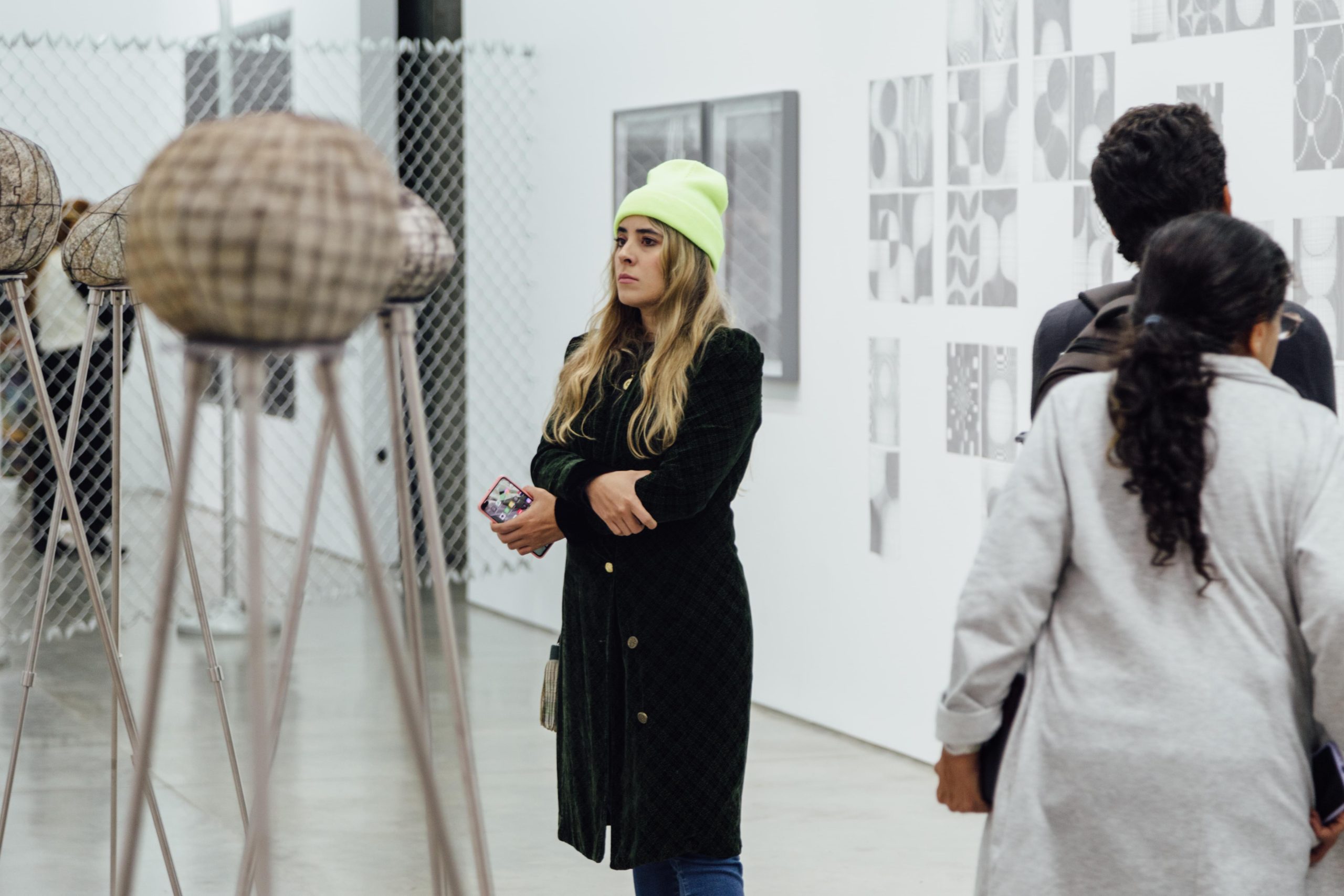
The MAMM also exhibits previously unseen pieces from the series Studies on the Malleability of Space (2017–2022), composed of drawings on fiberglass mesh and high-density polyethylene, in which Ortiz applied calculations of arithmetic series, logarithms, and diagrams to create a three-dimensional illusion on a two-dimensional surface. Surveying Exercises (2021–2022) is a work made up of rounded, flat stones onto which the artist superimposed cartographic elements (used to measure the globe: meridians, parallels, and polar coordinates) while also directly intervening with hemp fiber fabrics.
John Mario Ortiz: Measuring Space, Shaping Territory is the first retrospective exhibition of this artist’s work and seeks to provide an overview of his conceptual developments through an artistic production represented by 23 series that encompass his extensive oeuvre. The exhibition showcases several of his most ambitious installations and works produced specifically for the sixth edition of Revisiones, a segment of the MAMM’s programming dedicated to retrospective exhibitions of mid-career Colombian artists.
Relive the experience