From 14 de December 2016 al 12 de March del 2017
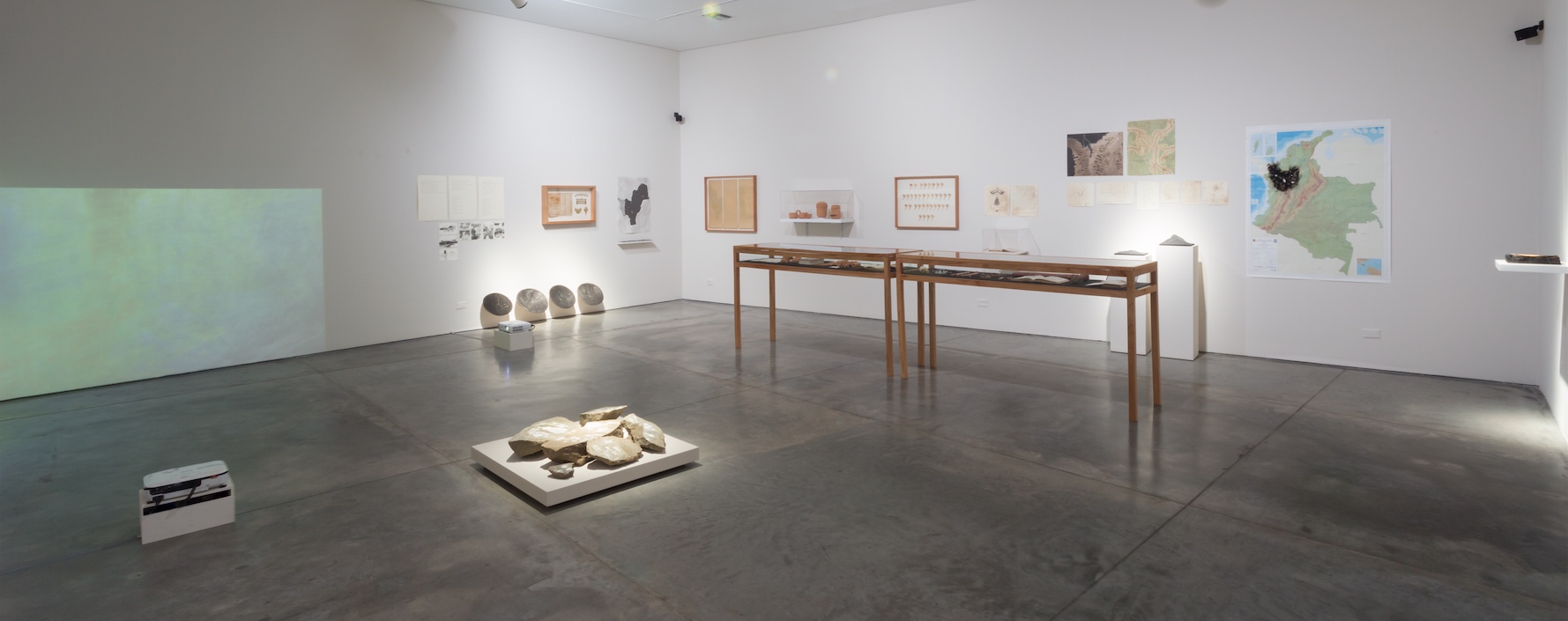
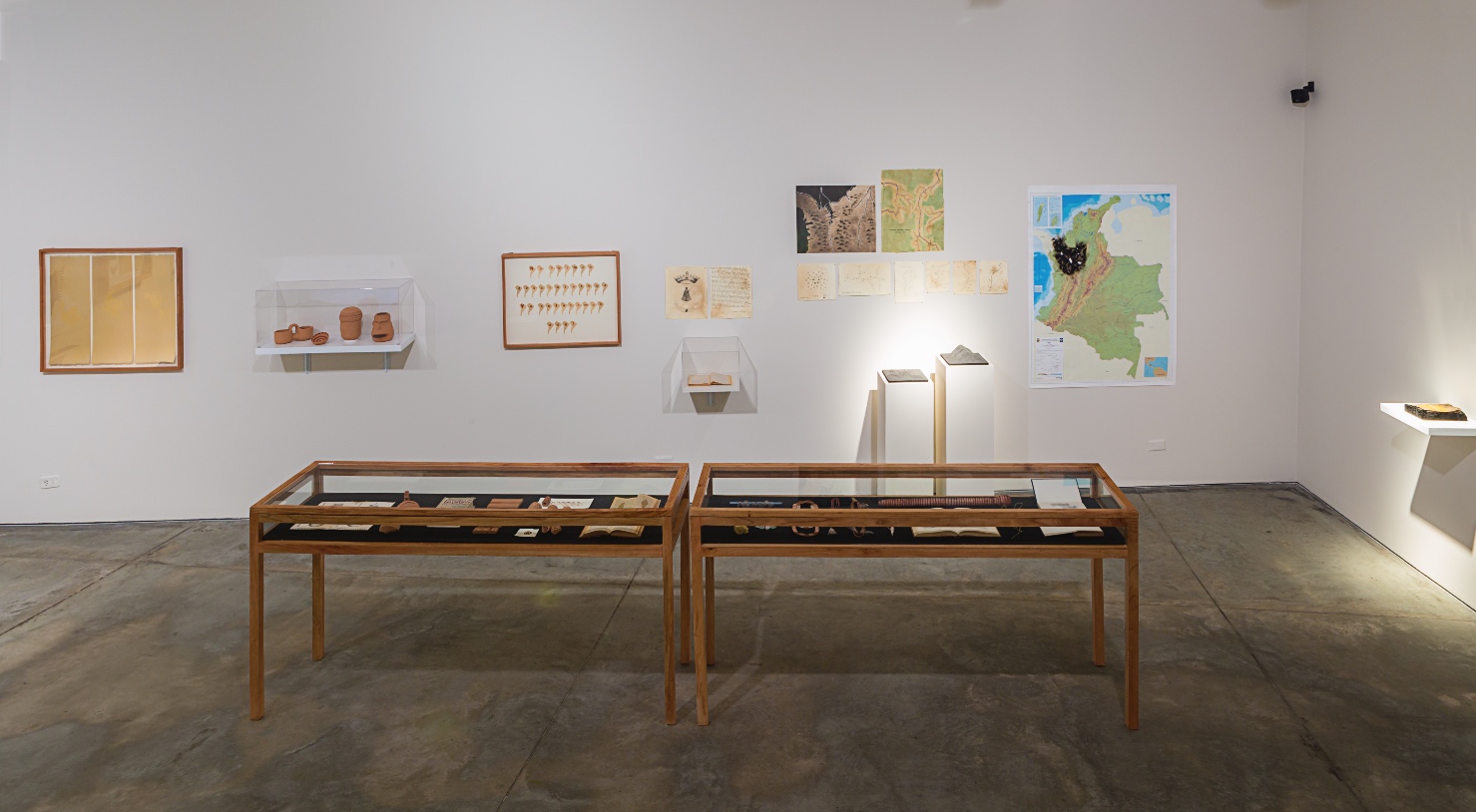
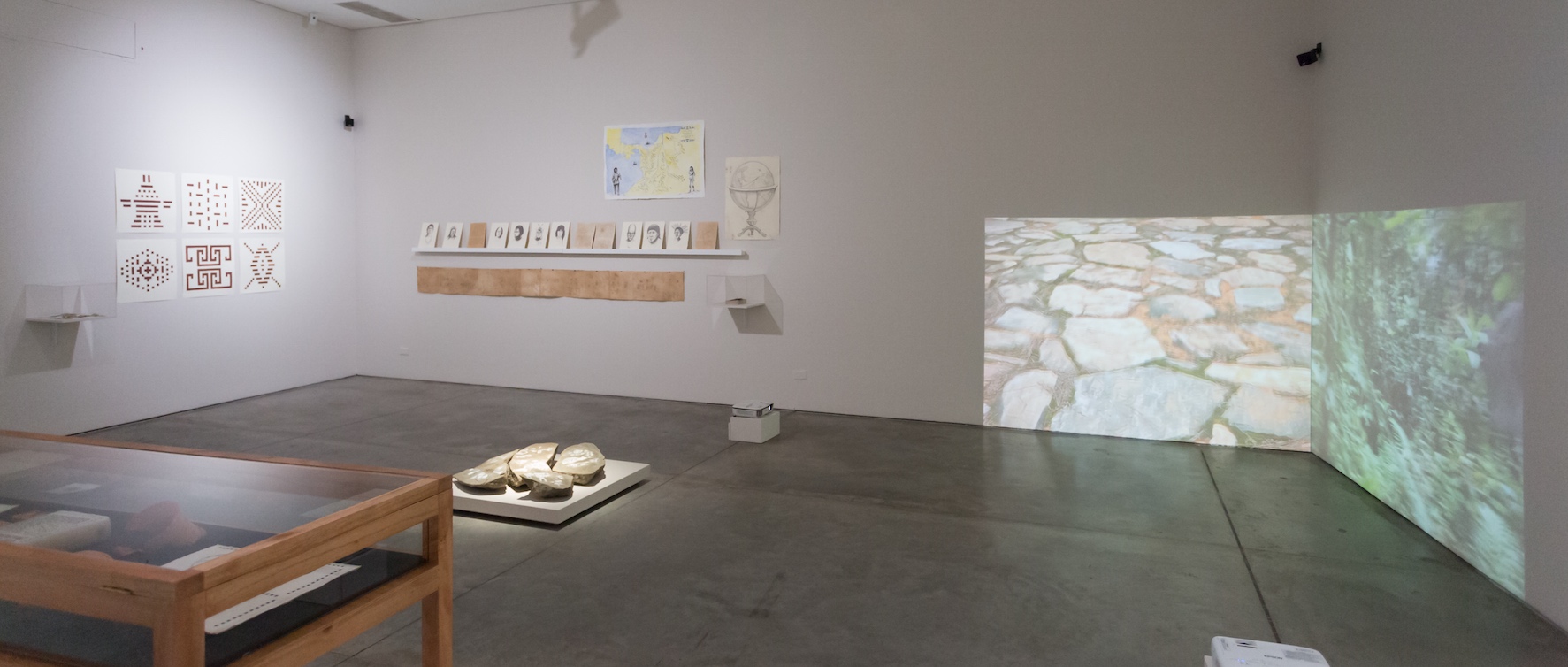
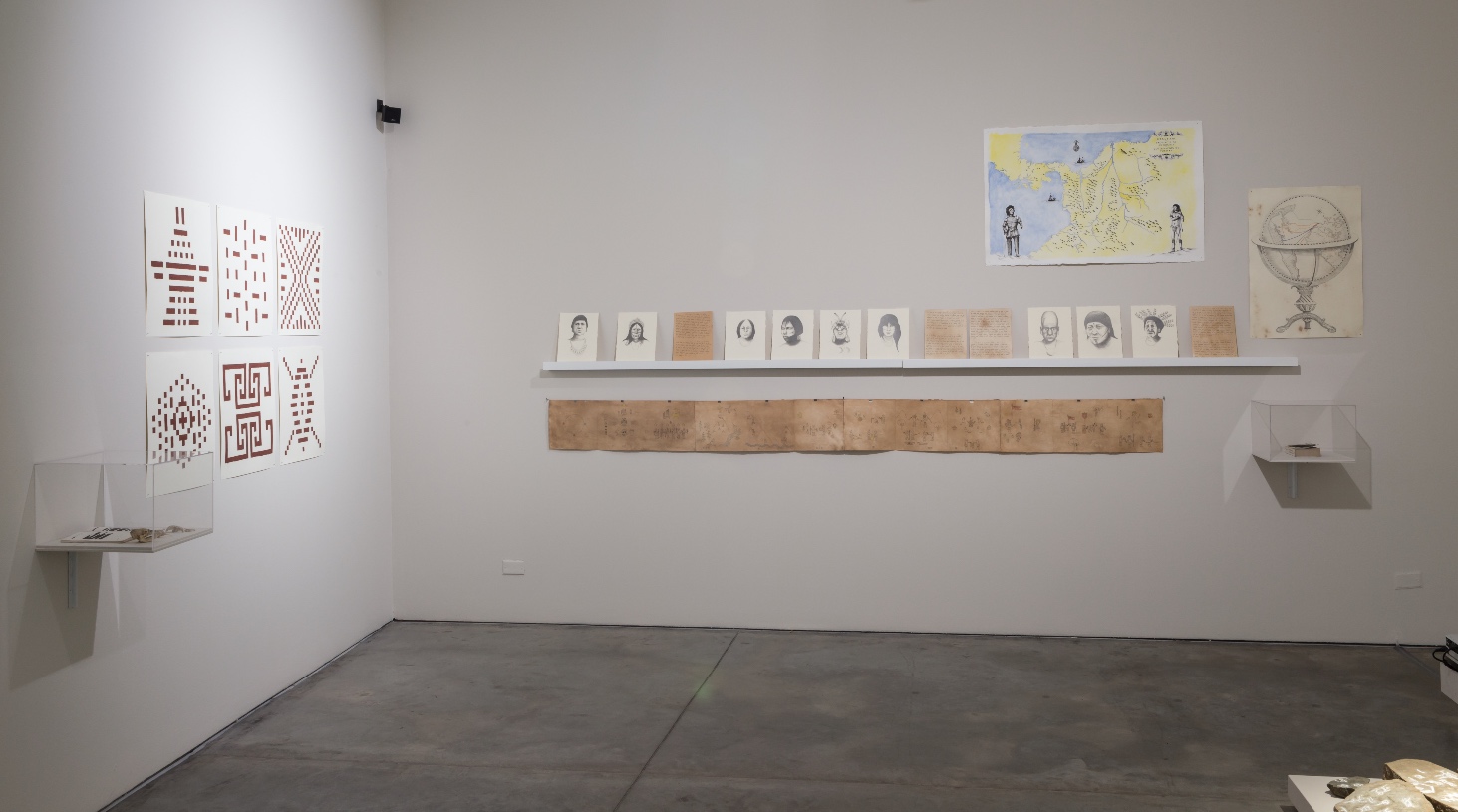
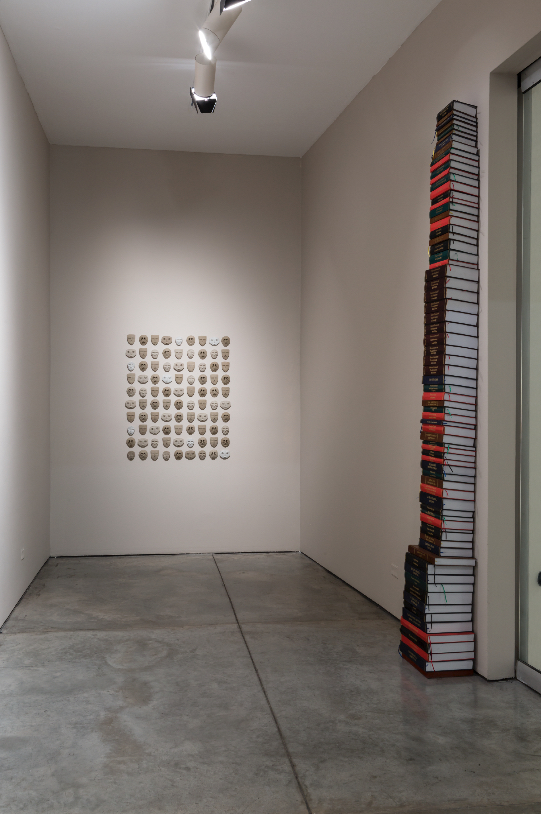
A Very Brief Account of the Construction of the Indies is a project that stems precisely from the question of how to weave this historical narrative through art, not to arrive at scientific or academic conclusions, but to challenge historical documents and inherited discourses as sources of truth. To this end, Jorge Marín (Ciudad Bolívar, Antioquia, 1986) employs fictional narrative, a resource inherent to the literary field, and extrapolates it to artistic practice as a strategy that allows him to recount, point out, critique, and even subvert a reality that would otherwise be difficult to narrate.
History, understood as both a discipline and a concept, is approached here as a field in continuous construction, permanently open, and in which the encounter of discourses makes visible, within the exhibition space, the coexistence of characters, objects, and texts, spanning times as distant as the pre-Columbian era, the 16th century, and the present day.
In the exercise proposed by Marín, questioning through fiction becomes a form of resistance against the narratives that have shaped the Aburrá Valley for thousands of years. This geographical area, now known as Medellín, was home to numerous indigenous tribes known as the Aburráes approximately sixteen centuries ago.
More is known about their cosmogony and daily life, practically invisible in popular memory, through archaeological reconstruction than historical reconstruction. Relocated to different areas of the Antioquia department after the arrival of the Spanish, the Aburráes were forced in exile to submit to Hispanic culture and, from then on, assume the position of the subaltern: “the other,” “the otherness.”
This installation is neither a complacent nor a contemplative work for the aesthetic eye. On the contrary, Marín advocates for a viewer who adopts a scrutinizing, interpretive, and critical attitude, and who, once immersed in the fictional narrative the work offers, is compelled to investigate the nature and intention of all the information presented.
This project also poses an open question about how much we truly know about ourselves, without this in itself implying a definitive answer. After all, isn’t truth a form of fiction fueled by memory and language?
Relive the experience