

 From 28 de September 2016 al 20 de November del 2016
Relive the experience
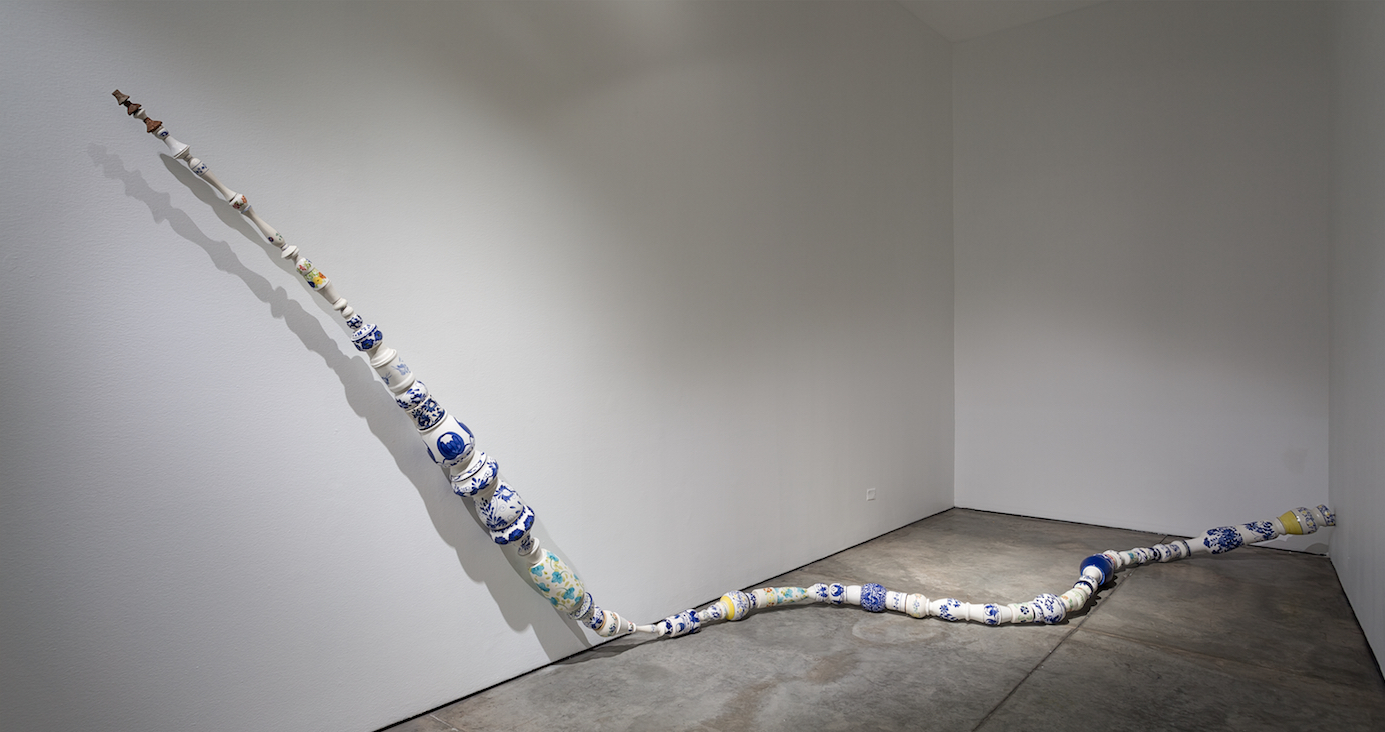
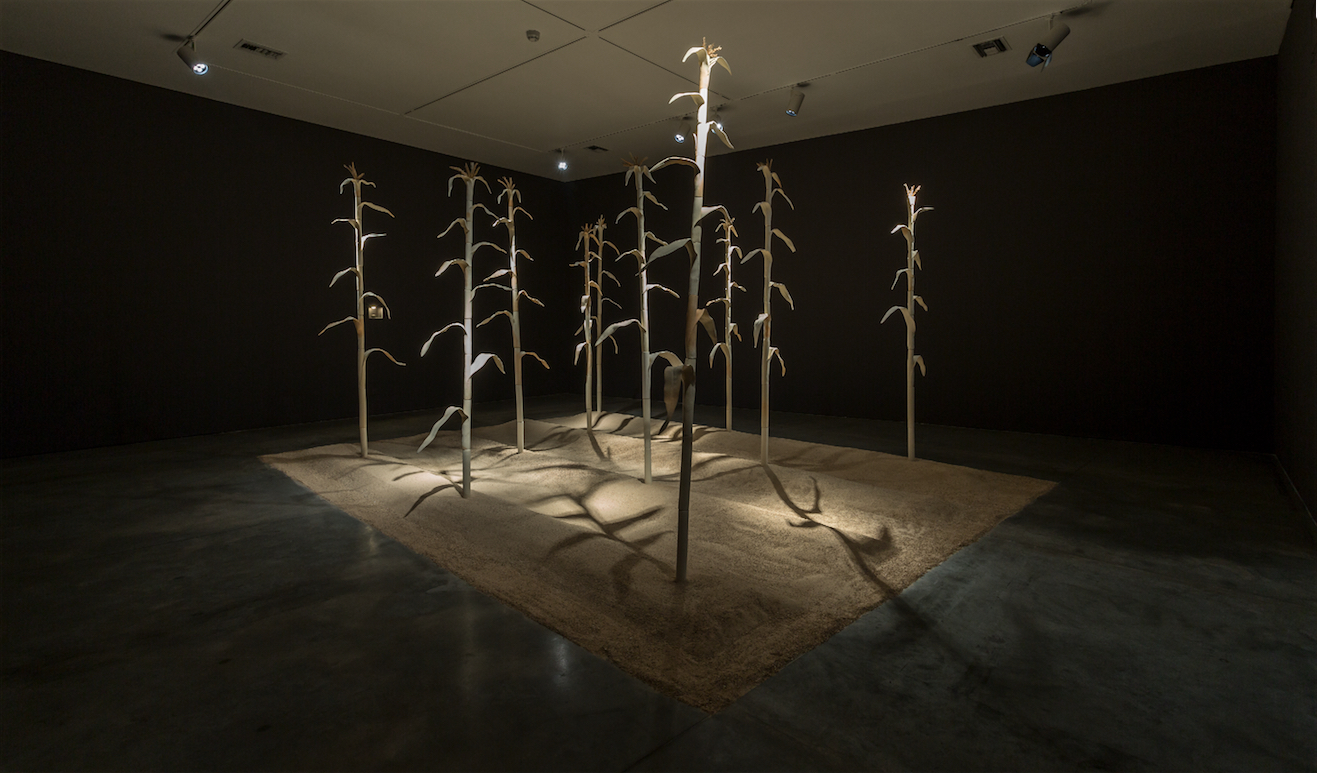
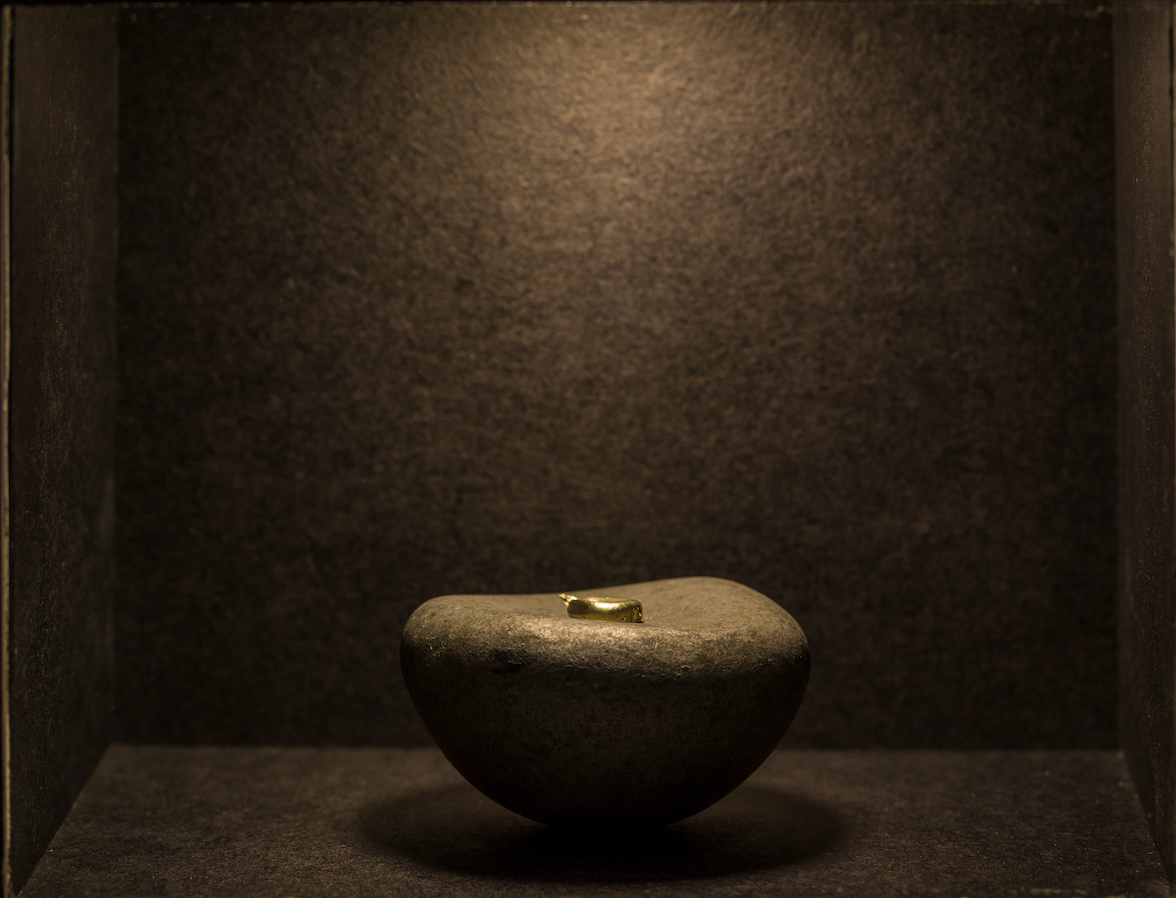
Juan David Henao (Medellín, 1987) has worked for several years with the ceramic artists of El Carmen de Viboral, and has become interested in the evolution of this craft, as well as the discourses that have represented it. This municipality, located in eastern Antioquia, an hour from Medellín, is historically recognized for its characteristic glazed ceramics, a craft that has shaped the socioeconomic relationships of the area. Its landscape is characterized by vast expanses of land where corn is commonly cultivated, a landscape similar to others in the country.
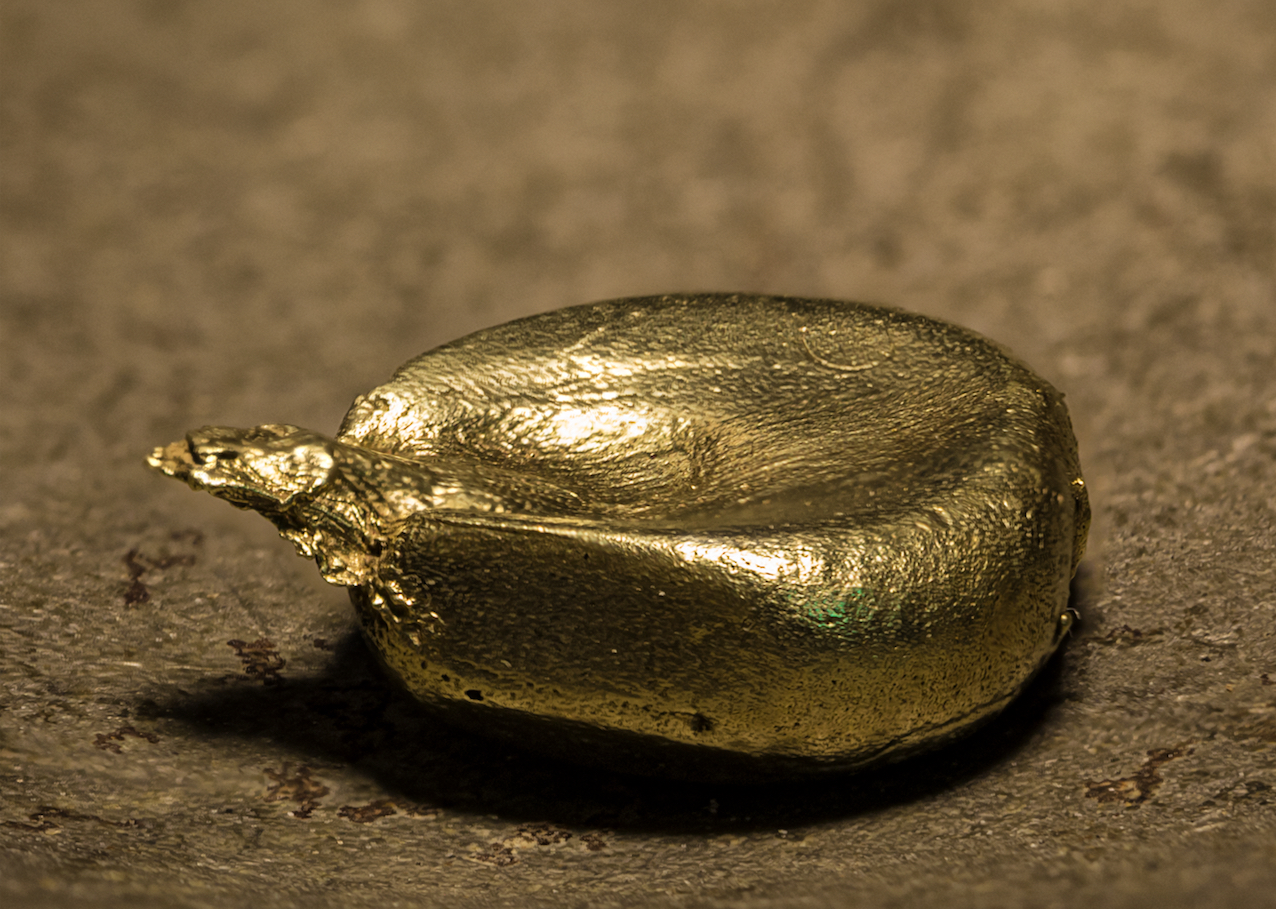
Both ceramics and corn help explain, in part, how our territory has been historically and politically configured and how they became recurring symbols that embody cosmogonies and identities, which in turn position popular culture as a site of resistance and cultural identity.
The interest that motivated Juan David Henao to spend so much time with the ceramic artists also led him to pause his journey to observe and reflect on these crops. These experiences, combined with his work closely related to the fields of ethnography and anthropology, allowed him to delve into the mechanisms and internal logics of corn cultivation and pottery making.
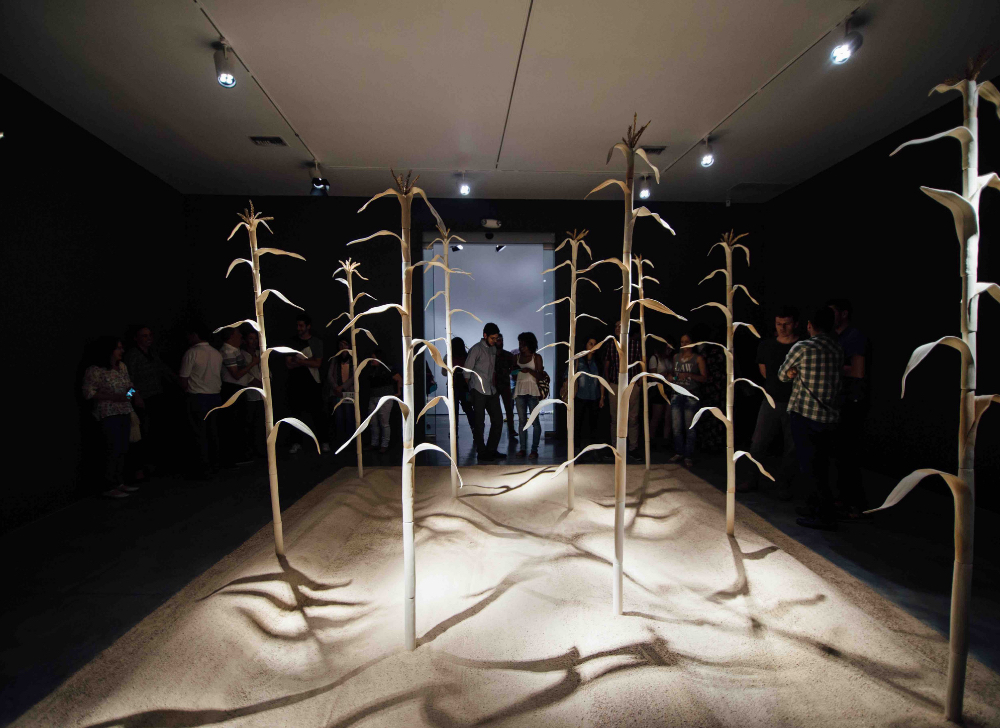
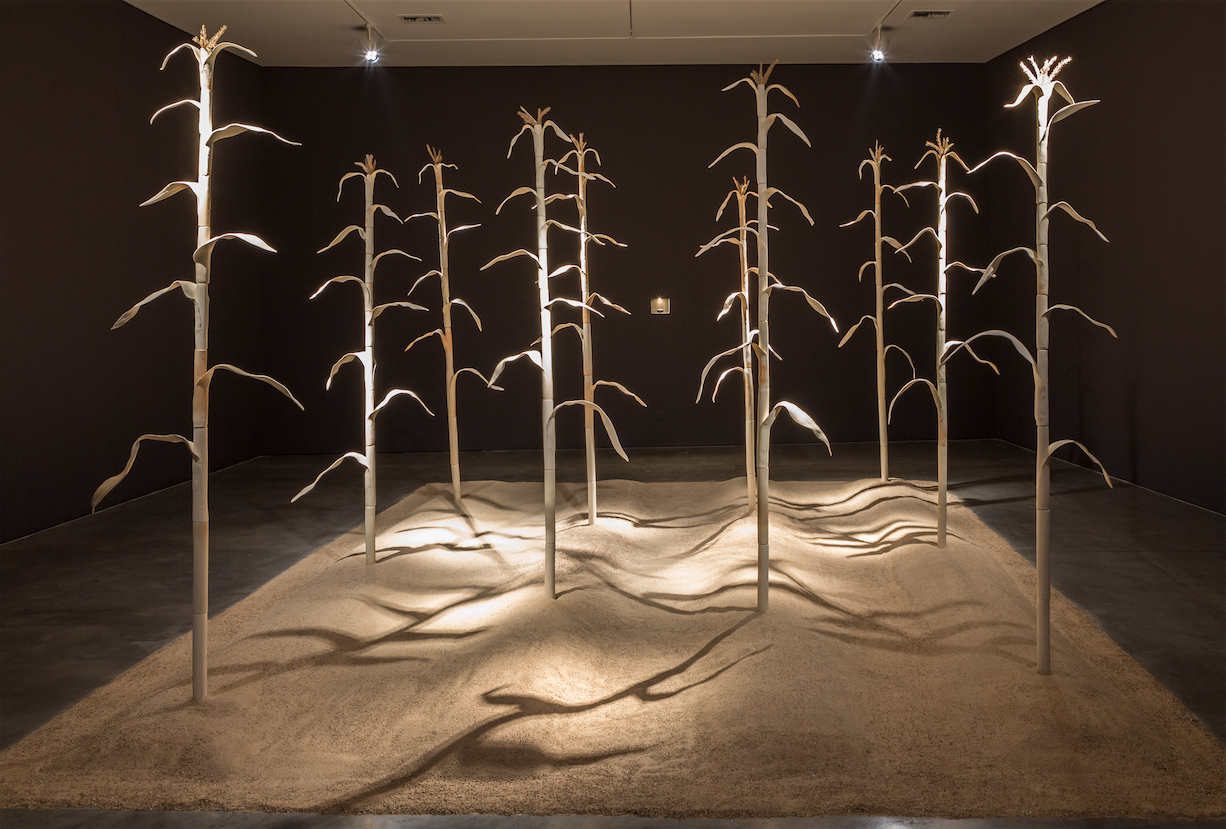
In Siembra (Sowing), Henao shifts the focus from his earlier works, where the use of sculpture perverts or distorts the relationships between history, culture, and nature, toward a staging that brings back the classic image of a traditional nature, which also symbolizes labor and action. Here, contemplation is no longer pure or disinterested, and each object that makes up the work disrupts the meaning of customs and the usual state of things.
The installation is a landscape that, devoid of natural elements, presents itself as a representation of popular culture and artisanal work. Henao uses artifice as a strategy to transform a hybrid space, constructed by time, into yet another element that underscores the very contradictions of our history. Ultimately, this work fits into a tradition of contemporary Colombian art and also into a history that is unique to Latin America, in which categories such as colonization, globalization and related concepts are present.