

 From 10 de May 2023 al 01 de October del 2023
In English, “fetch” is a concept used in sailing jargon to define the distance that wind travels over open waters and/or to describe the distance a wave travels before reaching shore, which in the context of this installation can be interpreted as a metaphor for the unpredictable and changing nature of feedback. Like the sea, sound extends, creating a kind of sonic “fetch” (reach) that propagates through space.
Feedback is a sonic effect generated when sound captured by a microphone is amplified, comes out through a speaker, and is captured again by the microphone, creating a loop or feedback that translates into chaotic and unstable sounds that serve as a creative resource and important tool for improvisation and experimentation in the field of sound art and experimental music.
Nicolas Collins—New York, 1954—is a composer and sound artist trained in the American experimental composition tradition who has made extensive use of feedback in his work, developing electronic, hardware, and software devices to generate and control feedback, which are used in his performances, installations, and compositions seeking to address randomness.
In “Long Fetch,” Collins controls feedback with software he designed himself to create an immersive sonic experience. The installation features a series of speakers and microphones arranged in the space of the gallery connected in a way that configures a feedback circuit. As sounds are generated or induced in the space, they trigger a chain reaction; the sounds are emitted from the speakers and feed back into the circuit, generating an unpredictable atmosphere that evolves and changes over time.
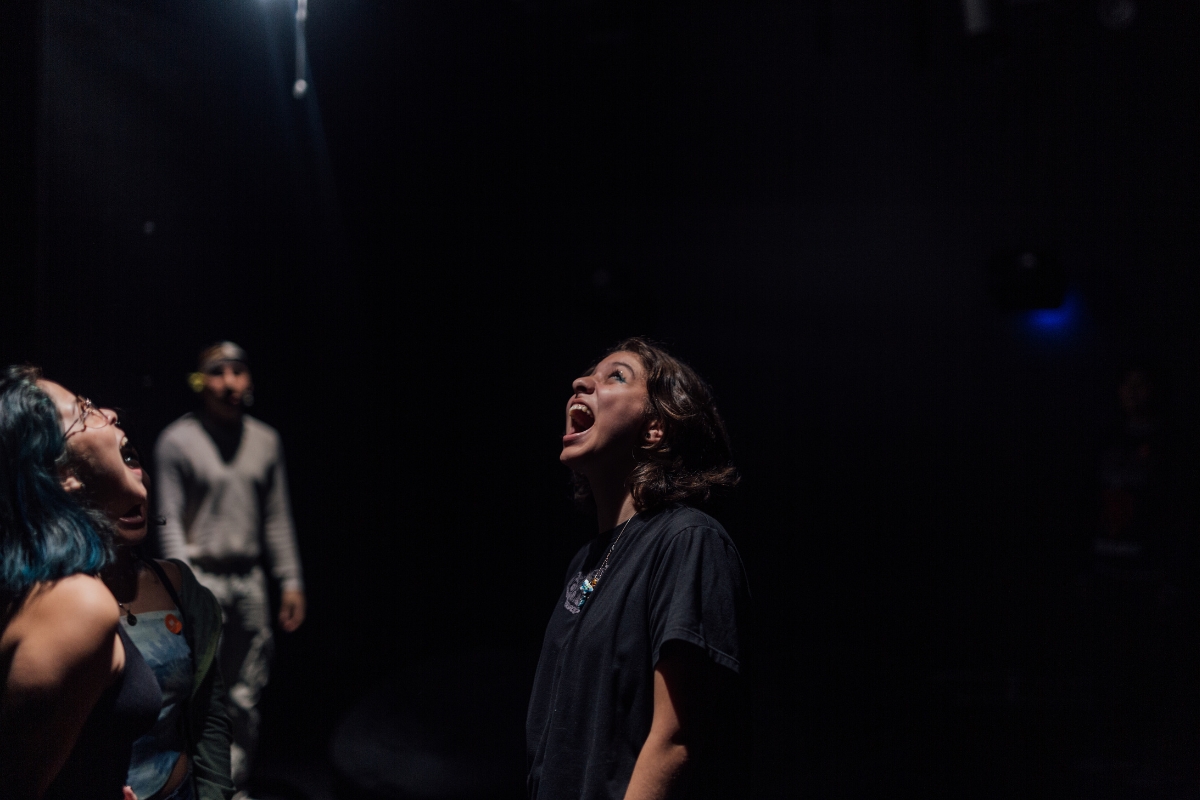
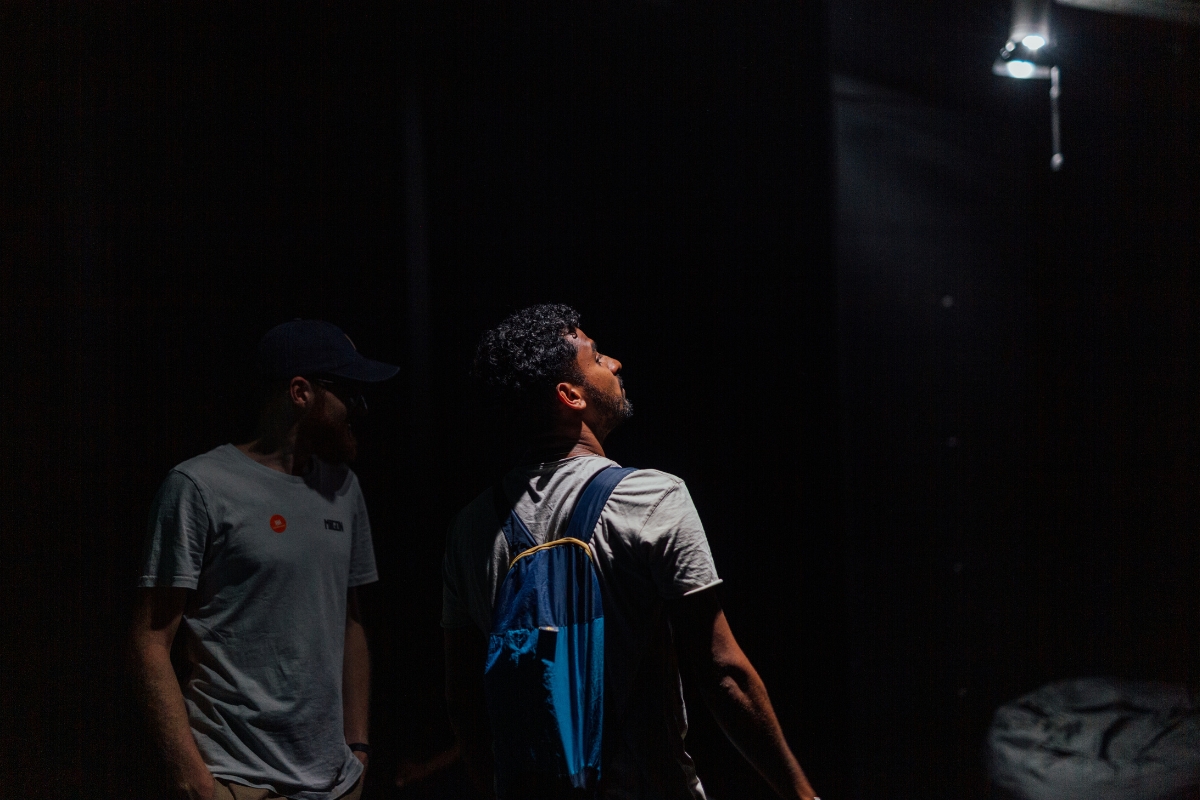
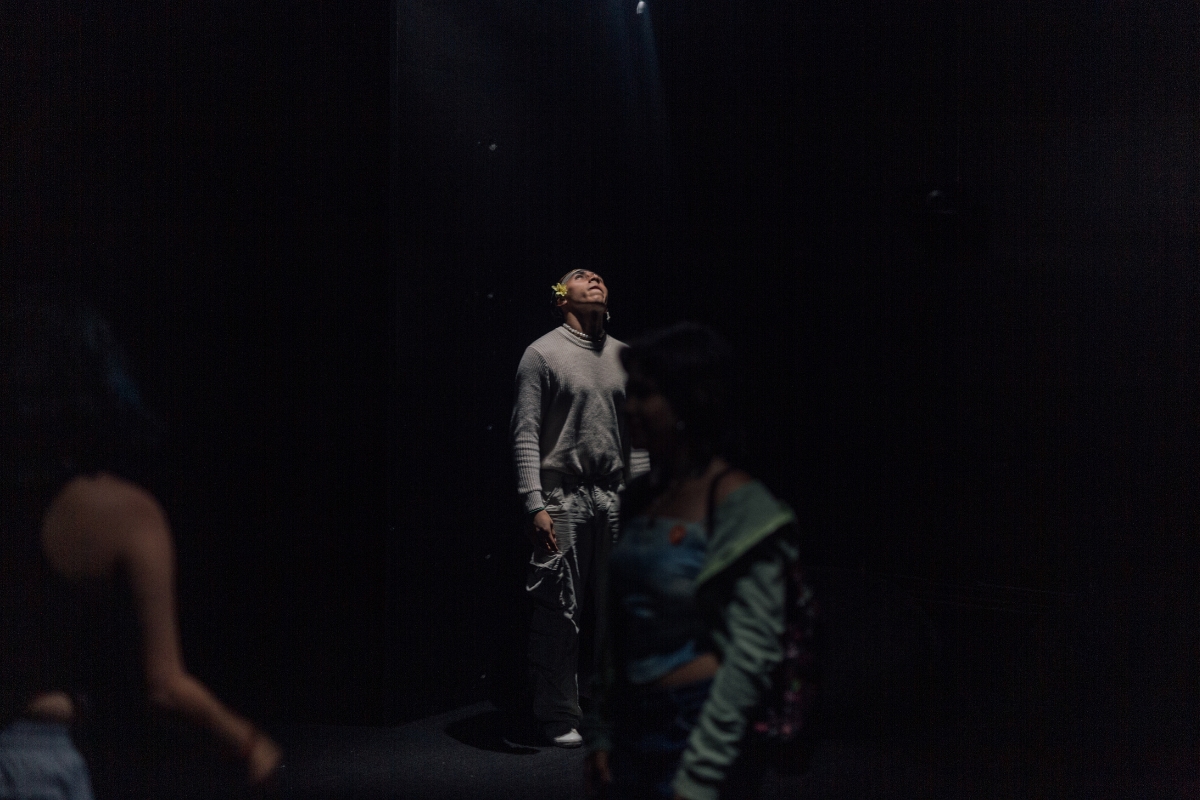
The installation is designed for the audience to interact with it, moving through the space and experimenting with the acoustics of the environment. The randomness of the sounds and the unpredictability of their evolution create a fascinating and immersive sonic experience that invites contemplation and reflection.
“Feedback is a musical gift that never stops: turn up the microphone volume and let the acoustics do the rest. I fell in love with feedback as a teenager looking for cheap ways to access electronic music in an era before laptops and affordable synthesizers, and it returns to my repertoire with the periodicity of a comet. The half-dozen microphones in Long Fetch switch speakers as soon as they start to feed back, producing tones that vary with the distance between each microphone and its current speaker. These musical patterns respond to the sounds of Lab3, both ambient and performed.” Nicolas Collins
Nicolas Collins. New York, 1954. He is a composer, sound artist, and writer. In the 1980s, Collins was a pioneer in the use of microcomputers in live performance, and has made extensive use of homemade electronic circuits, radio, found sound material, and transformed musical instruments. Trained in the experimental composition tradition, he has collaborated with John Cage, Alvin Lucier, and David Tudor, among others.
Collins also immersed himself in the New York improvised music scene of the 1980s. Using homemade instruments that combined circuits, simple computers, and traditional instruments such as trombones and guitars, he collaborated and performed with Tom Cora, Shelley Hirsch, Christian Marclay, and John Zorn, among others.
Collins’s compositions frequently ask performers to respond to unpredictable musical cues, as in Devil’s Music (1985), in which the artist scratches with live radio fragments, or Still Lives (1993), in which a solo trumpeter improvises against a skipping CD. Collins spent years in Europe, where he was Artistic Director of STEIM (Amsterdam) and DAAD composer-in-residence in Berlin. He is currently a professor in the Sound Department at the School of the Art Institute of Chicago. His book Handmade Electronic Music – The Art of Hardware Hacking, now in its third edition, has influenced emerging electronic music worldwide.
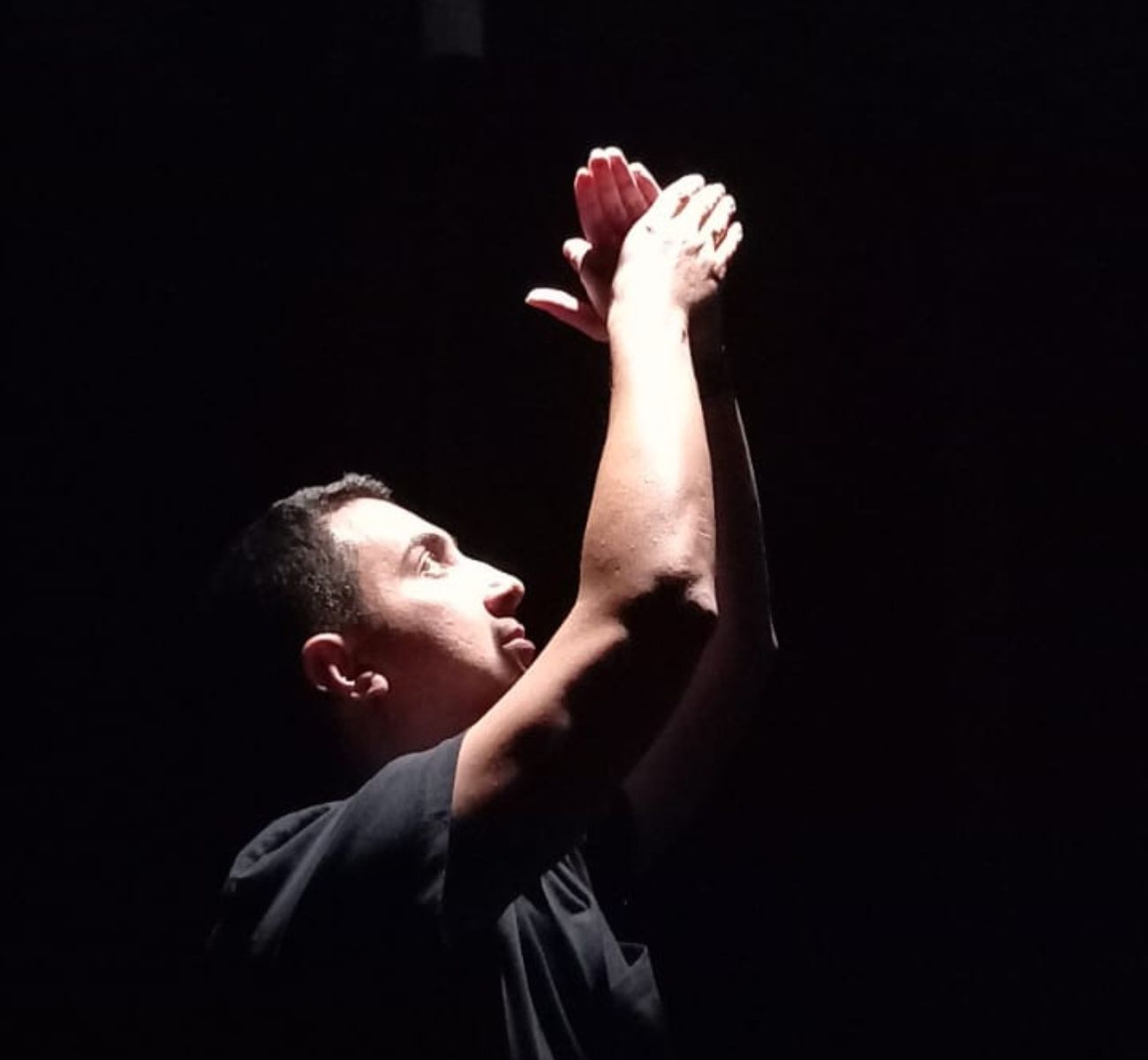
Relive the experience
This exhibition is held in alliance with Universidad de los Andes – Departamento de Arte