From 06 de July 2022 al 30 de October del 2022
Participants: Katherine Gómez Peñaloza, Alejandro González Tascón, Olowaili Green, Nat Nat Iguarán, Mamo Camilo Izquierdo, Waira Nina Jacanamijoy, Juan Carlos Jamioy Juagibioy, Hernán Miraña, Yukuna Rafael Mojica Gil, Julieth Morales, Eliana Muchachasoy, Cindy Muñoz Sánchez, Brayan Orozco Valencia, Jaison Pérez Villafañe, Bladimir Rivera Macuna, SentARTE Producciones, Eusebio Siosi, SOLA, Mauricio Telpiz, Pablo Vladimir Trejo, Luis Tróchez, Unión de Médicos Indígenas, Yageceros de la Amazonia Colombiana, Phuyu Uma, Armando Valbuena Vega, Emiliano Valdés, Leonel Vásquez Amado Villafañe Chaparro, Valentina Villena Paredes, Selnich Vivas, Giamutu Wasantu, Gladys Yagarí, Mayor Leonardo Imbachi, Taita Manuel Muelas, Isua Pørøpik (Eyder Calambás)
How can we account for the cultural diversity of Colombia through contemporary artistic and cultural practices? How can we foster applied readings, adaptations, and knowledge construction for everyone through the devices inherent to the museum space? How can we cultivate enthusiasm for contemporary art alongside the appreciation of indigenous cosmovisions and traditions in the country?
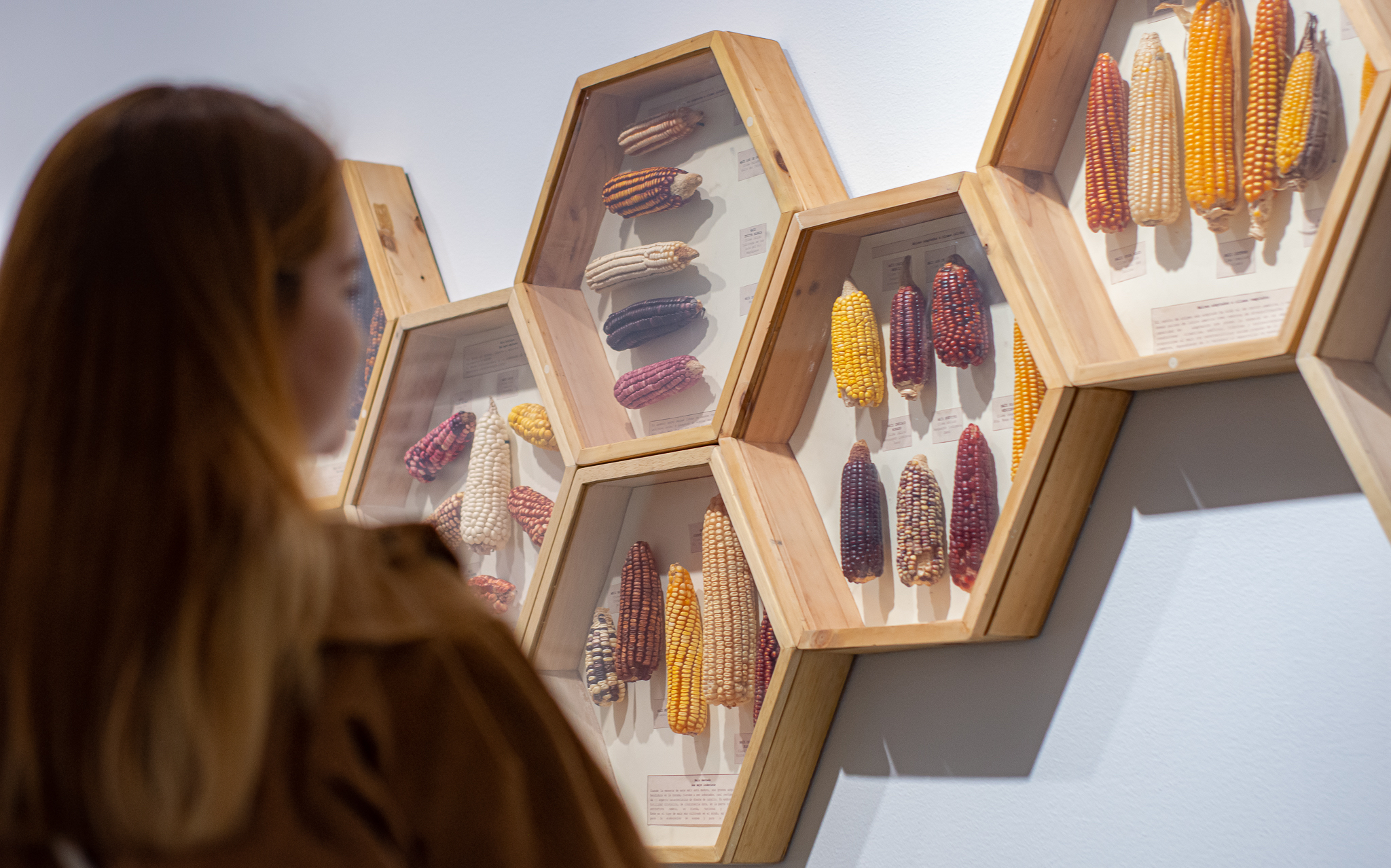
These are just some of the questions that have led the Museum over recent months to invite representatives and experts from some of the country’s 102 indigenous peoples (ONIC) to generate a space for dialogue, exhibition, and engagement around some of the most pressing issues for these communities: from the defense of water and territory, to food sovereignty, and in some cases, the reconstruction of an identity—individual or collective—silenced by centuries of exclusion and exploitation or dispossession in the worst cases.
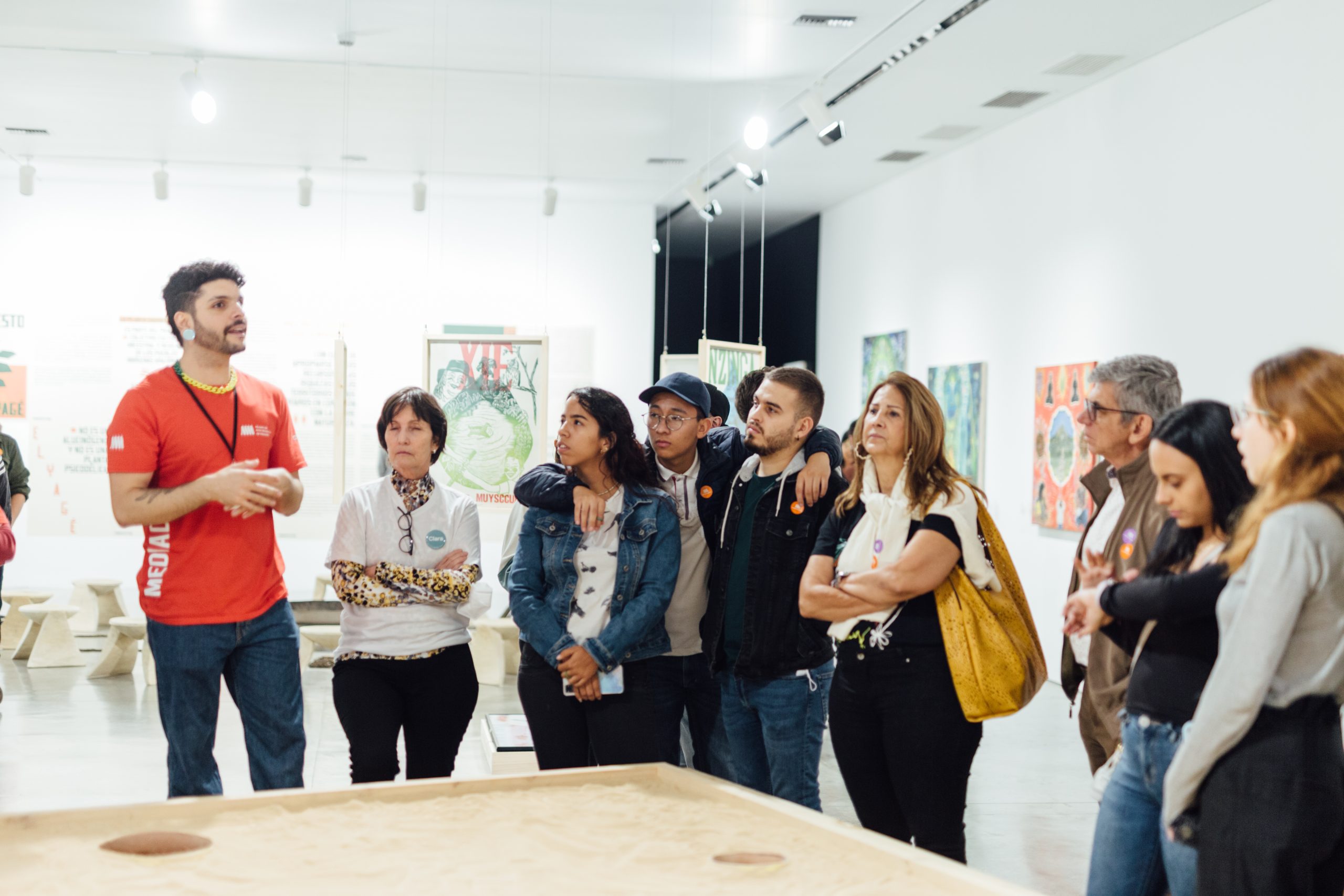
This first stage of the process consists of an exhibition in MAMM’s Hall B, a sound installation in Lab3, a multicultural gathering planned for August 2022 with knowledge holders from different territories, as well as several other public programs throughout the duration of this exhibition. Significantly, the project also includes adjustments to MAMM’s programmatic vision that already foresee new exhibitions and projects in dialogue, collaboration, and construction with other cultural traditions of the country.
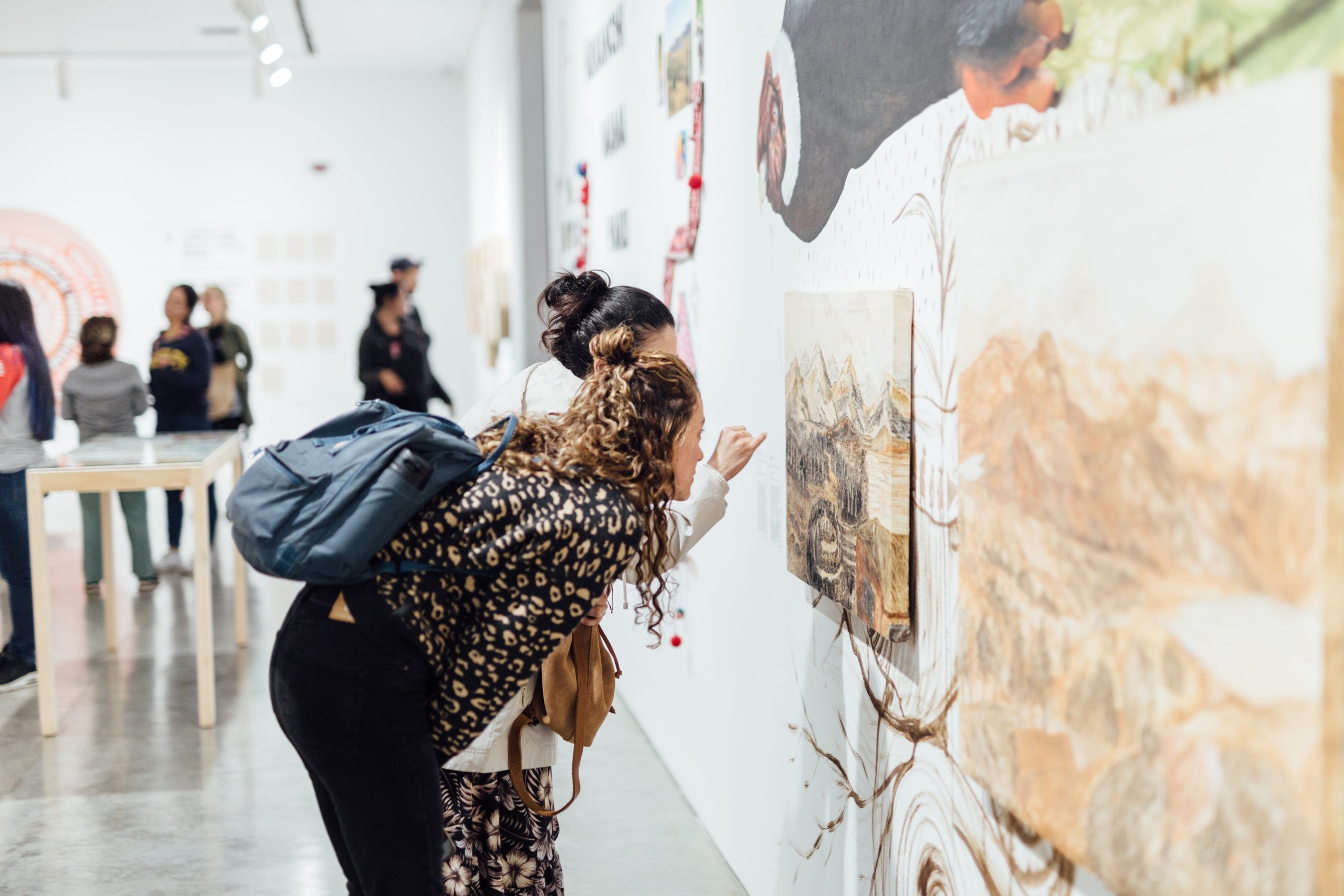
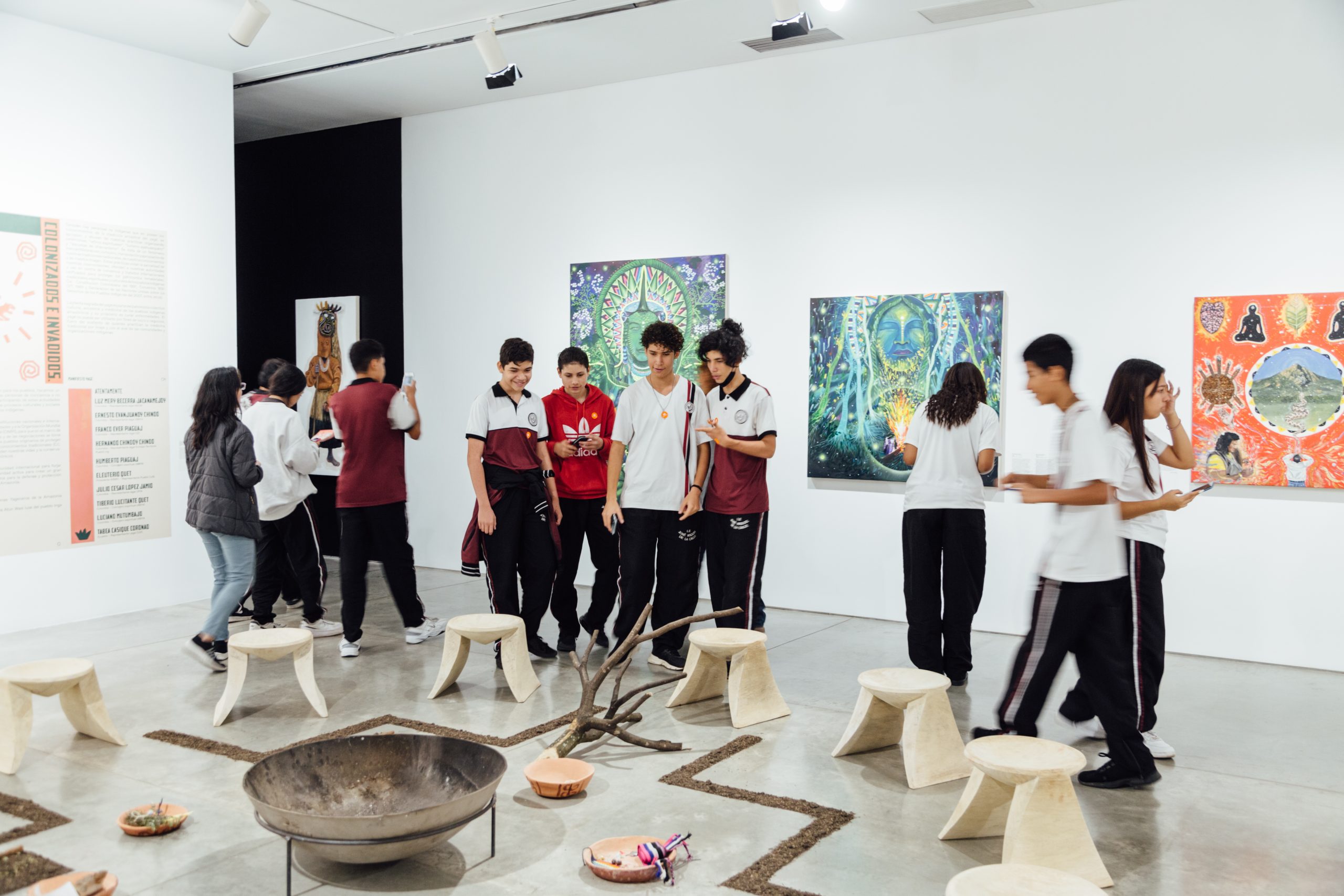
MAMM is today a space in which works of art in the Western sense coexist with cultural devices and audiovisual productions that bring together the universes of different groups and that, in general terms, refer to the principles of territory, unity, culture, and autonomy that govern them. Each element of the exhibition is proposed as part of a fabric, of an infinitely broader weaving that allows access to these cosmovisions, to the understanding of their values or pursuits, and that, contrary to the modus operandi of hegemonic culture, tends toward plurality and social norms that promote the communal in the pursuit of collective well-being, of Buen Vivir (Good Living).
The exhibition, created collectively, is also a place of recognition of difference and the richness it entails, of how ultimately inaccurate it is to use a single term—indigenous—to refer to the multiple, to the plurality of cultures, of modes of reflection and thought. It seeks to identify common interests and objectives, and to bring audiences closer to heterogeneous social and cultural practices from so many territories, to contribute to the consolidation of a State and society that is conscious and respectful of ethnic and cultural diversity.
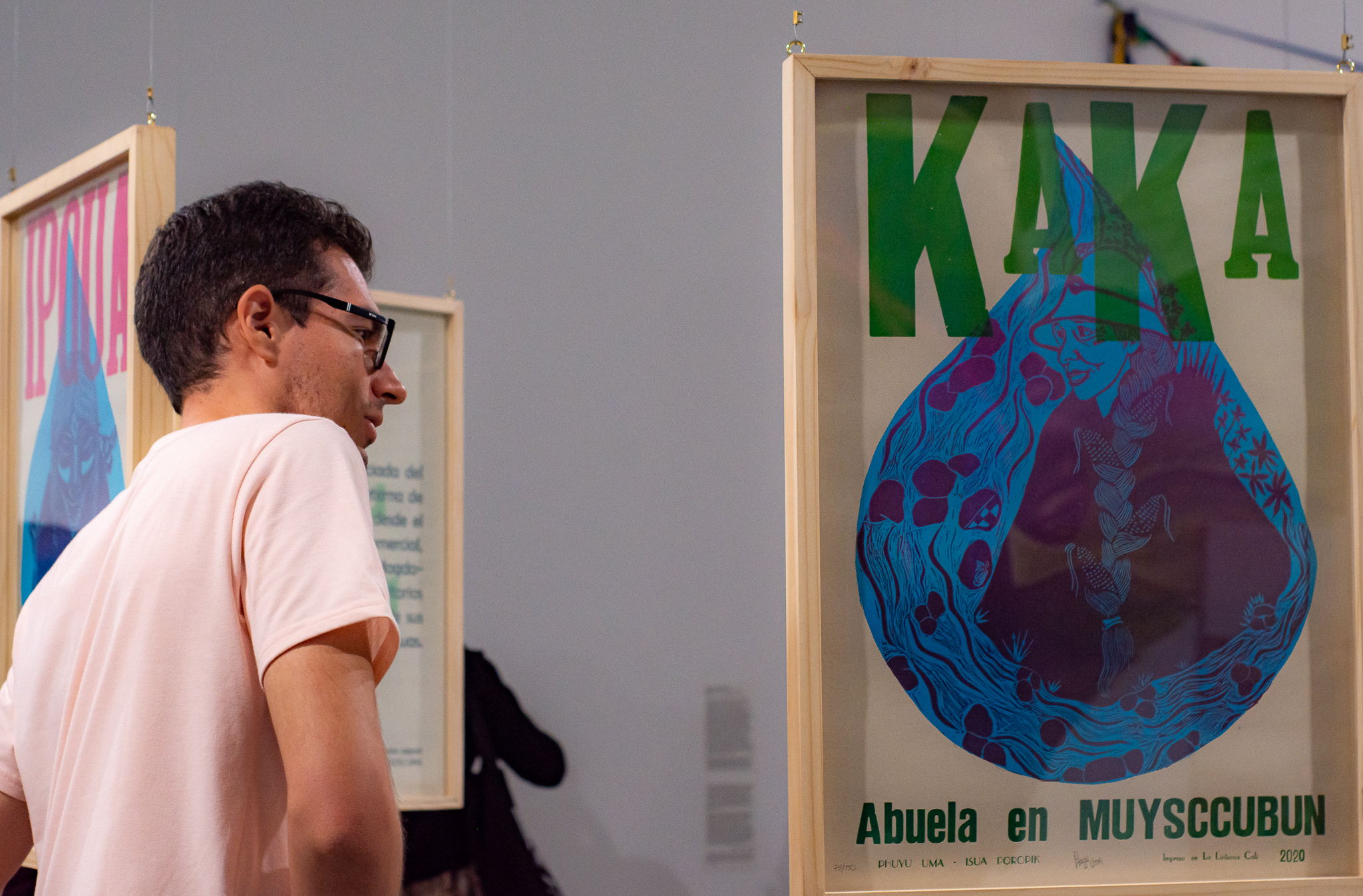
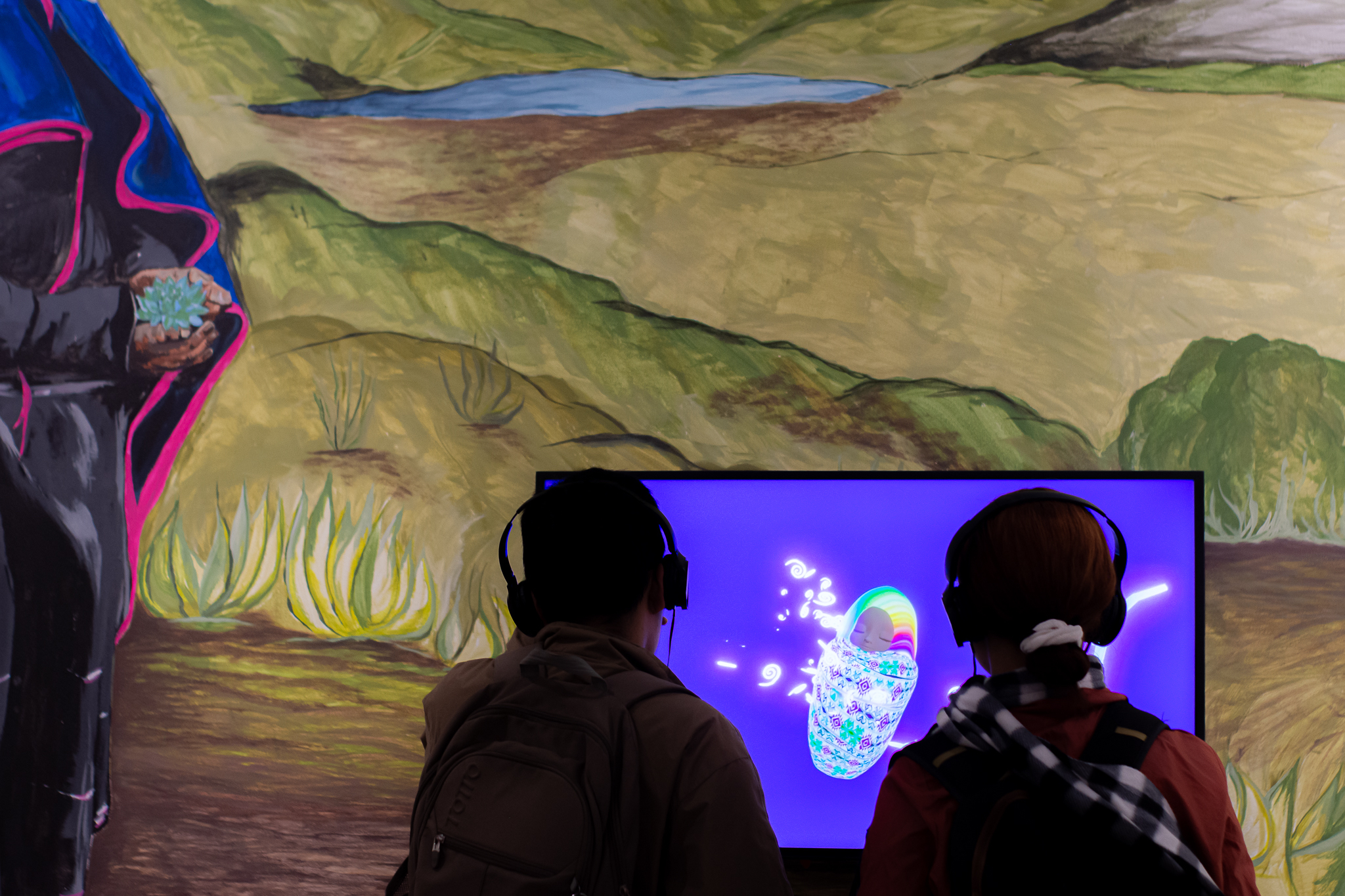
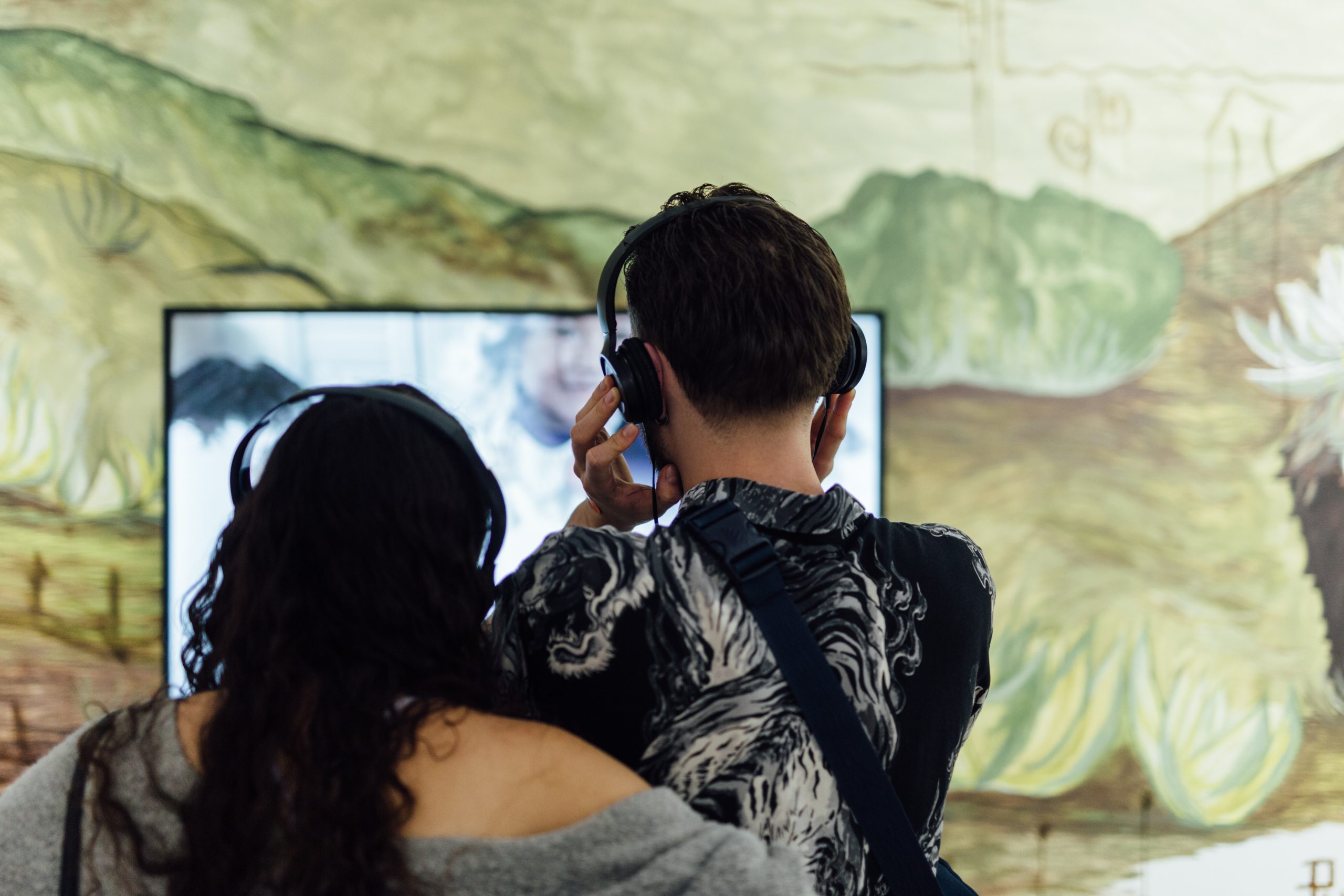
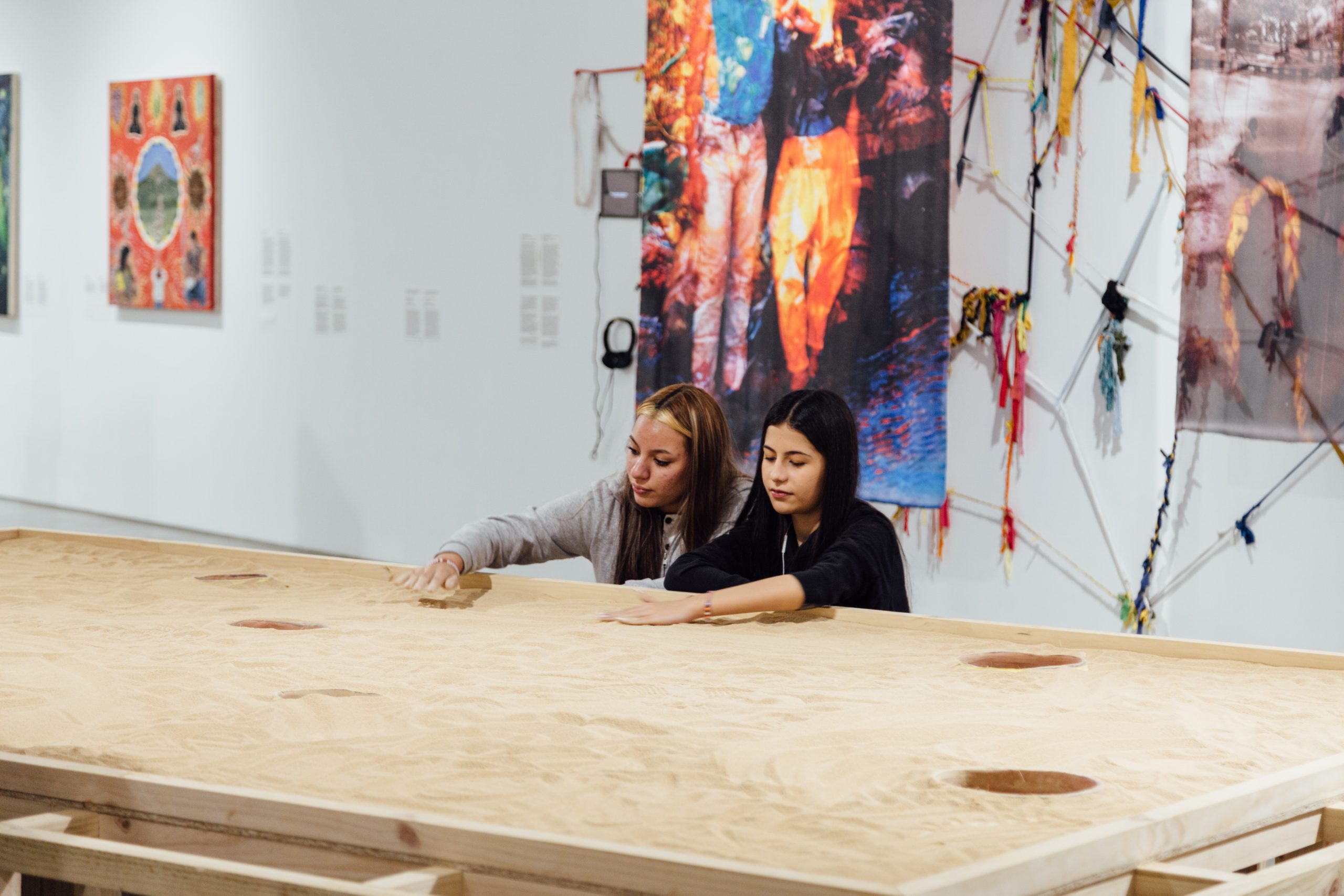
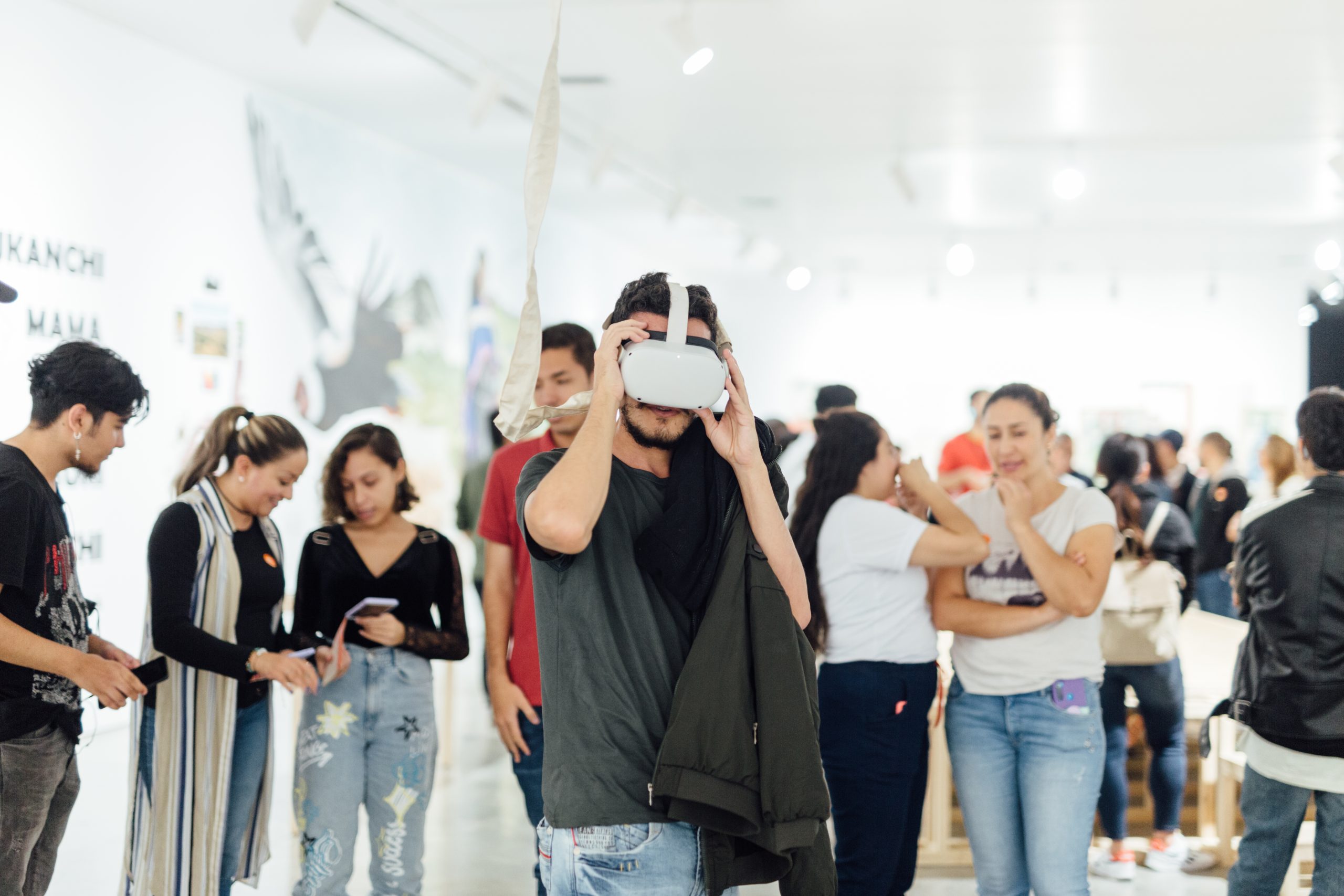
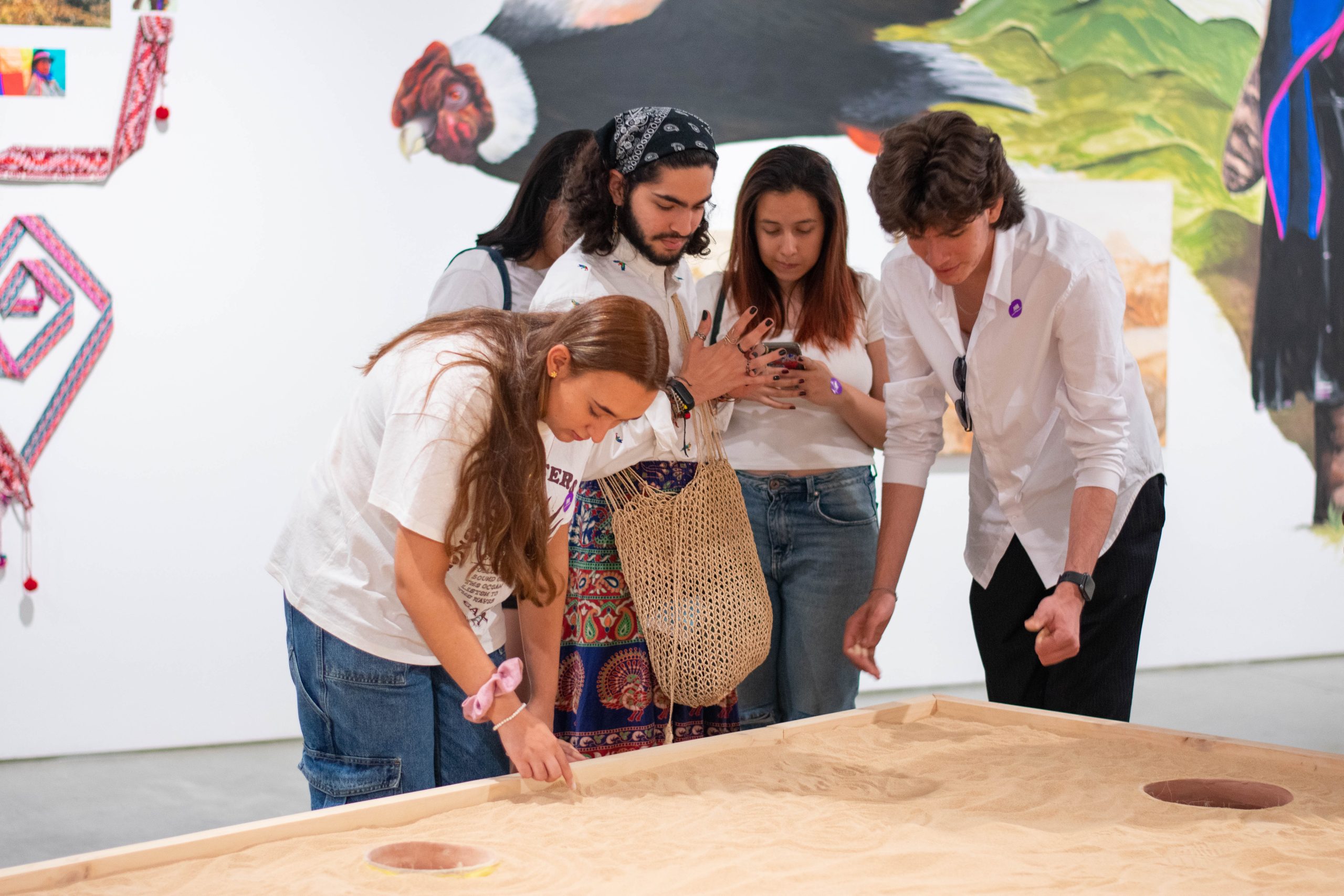
Tiempo para escucharnos refers to the importance of orality, the word, and listening in Colombian ancestral cultures and includes works by some artists from these cultures, along with the presentation of ritual objects, sensory experiences, and a sound bank that bring these knowledge systems closer from a privileged place—that of intimacy—to highlight how much unites us. Additionally, in Hall B, a selection of audiovisual works seeks to bring audiences closer to different ancestral and contemporary processes, while a virtual reality experience allows first-person participation in the carrizo dance of the Amazonian peoples. The title and the different components of the project are a call to listen—to the voice, to the territories, to the ancestral sounds of Colombia—because it is not possible to establish a dialogue if there is no willingness to listen.
All components of Tiempo para escucharnos. Manifestaciones del arte indígena en Colombia were built collaboratively between the Museum team, external collaborators, and artists, academics, and experts from some of these communities.
Relive the experience