

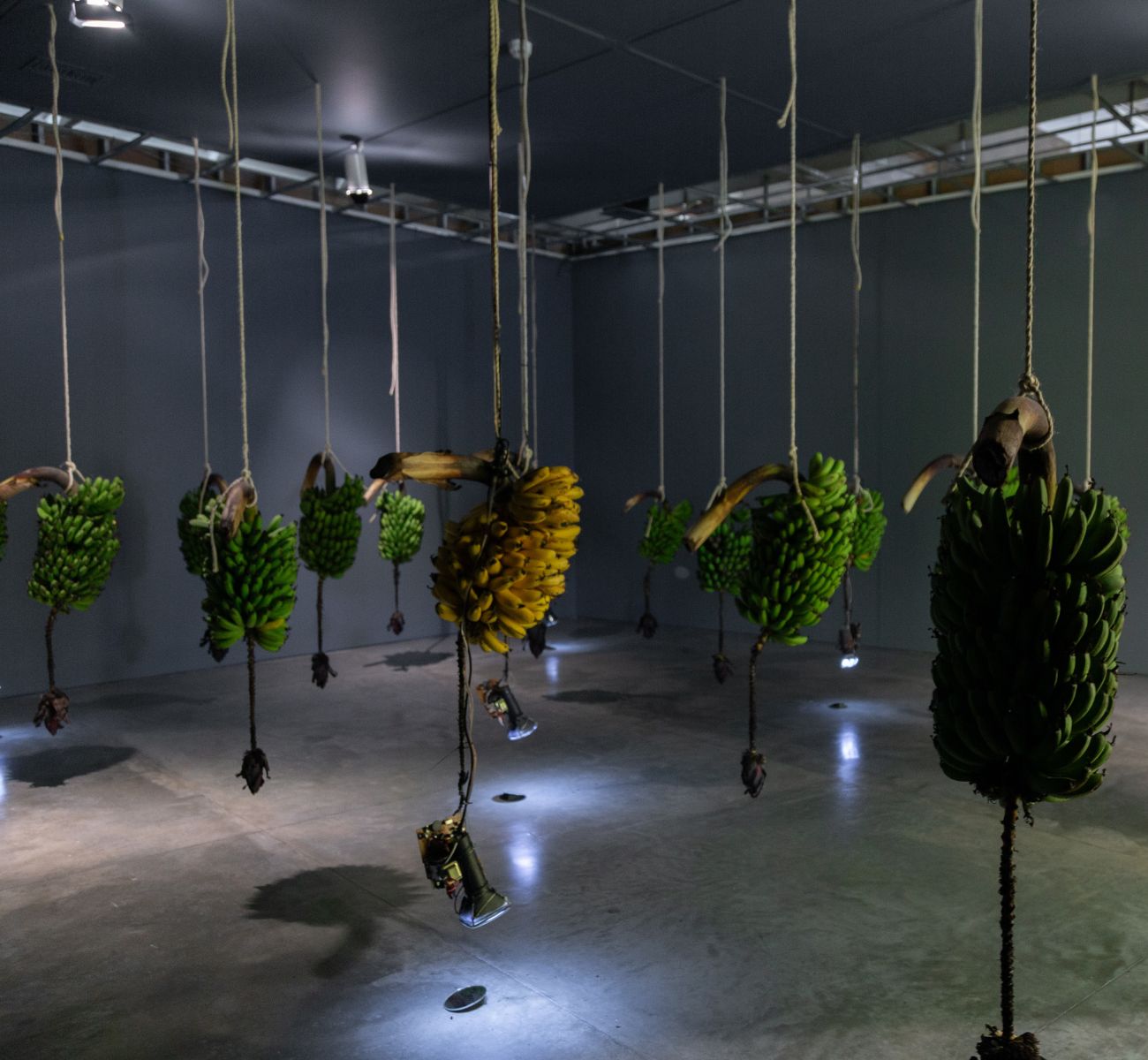
 From 01 of November 2023 to 31 of March of 2024
Artists: Héctor Acebes, Homero Aguilar, Marcial Alegría, Liliana Angulo, Fernando Arias Gaviria, Jorge Julián Aristizábal, María José Arjona, Felipe Arturo, Jaime Ávila, Marcos Ávila Forero, M.A. Avellaneda, Álvaro Barrios, José Bedia, Milena Bonilla, François Bucher, Feliza Bursztyn, Adriana Bustos, Carlos Caicedo Zambrano, Waltércio Caldas, Marta Calderón, Leyla Cárdenas, Miguel Ángel Cárdenas, Juan Cárdenas Arroyo, María Fernanda Cardoso, Carlos Castro, Carolina Caycedo, Nicolás Consuegra, Juan Covelli, Santiago Díaz Escamilla, François Dolmetsch, Paz Errázuriz, Regina José Galindo, Flor Garduño, Beatriz González, David Guarnizo, Laura Huertas Millán, Graciela Iturbide, María de la Paz Jaramillo, Catalina Jaramillo Quijano, Francisca Jiménez Ortegate, Juan David Laserna, Noé León, Sandra Llano-Mejía, Mateo López, Los Carpinteros (Marco A. Castillo and Dagoberto Rodríguez), Kevin Simón Mancera, Cildo Meireles, Fabio Melecio Palacios, Delcy Morelos, Ana Claudia Múnera, Óscar Muñoz, Rosa Navarro, Nicolás Paris, Nohemí Pérez, Marta María Pérez, Mateo Pérez Correa, José Alejandro Restrepo, Mónica Restrepo, Sofía Reyes, Santiago Reyes Villaveces, Miguel Ángel Ríos, Daniel Rodríguez, Miguel Ángel Rojas, Reyes Santiago Rojas, María Isabel Rueda, Adriana Salazar, Saúl Giovanny Sánchez, Gabriel Sierra, Angélica Teuta, Giovanni Vargas, Cecilia Vicuña, Sergio Zevallos
In his now-classic book, *The Good Life*, the Spanish architect Iñaki Ábalos visits a series of hypothetical and real houses that can be understood as representative of some of the most important currents of thought of the 20th century. Through careful narrative descriptions and reflections on the culture of dwelling, the author attempts to answer the question of the relationship between ways of living and contemporary thought, in a lucid exploration that rejects modernity as a triumphant experience of positivism and recovers the radical plurality of the 20th century as a starting point for the present.
Far from being an illustration of the book or of Ábalos’s ideas, *The Good Life*… Works from the Banco de la República collection borrows the methodology of a guided tour—through a house, through an exhibition—and its search for the essence of “the good life.” At the same time, like much of the work it comprises, it questions the values left by modernity regarding how we inhabit our homes, our land, and the planet, as well as our own bodies, minds, and spirits. In visiting this exhibition, the intention behind our inhabiting becomes a tool for understanding the ideas, logics, and laws that govern life today.
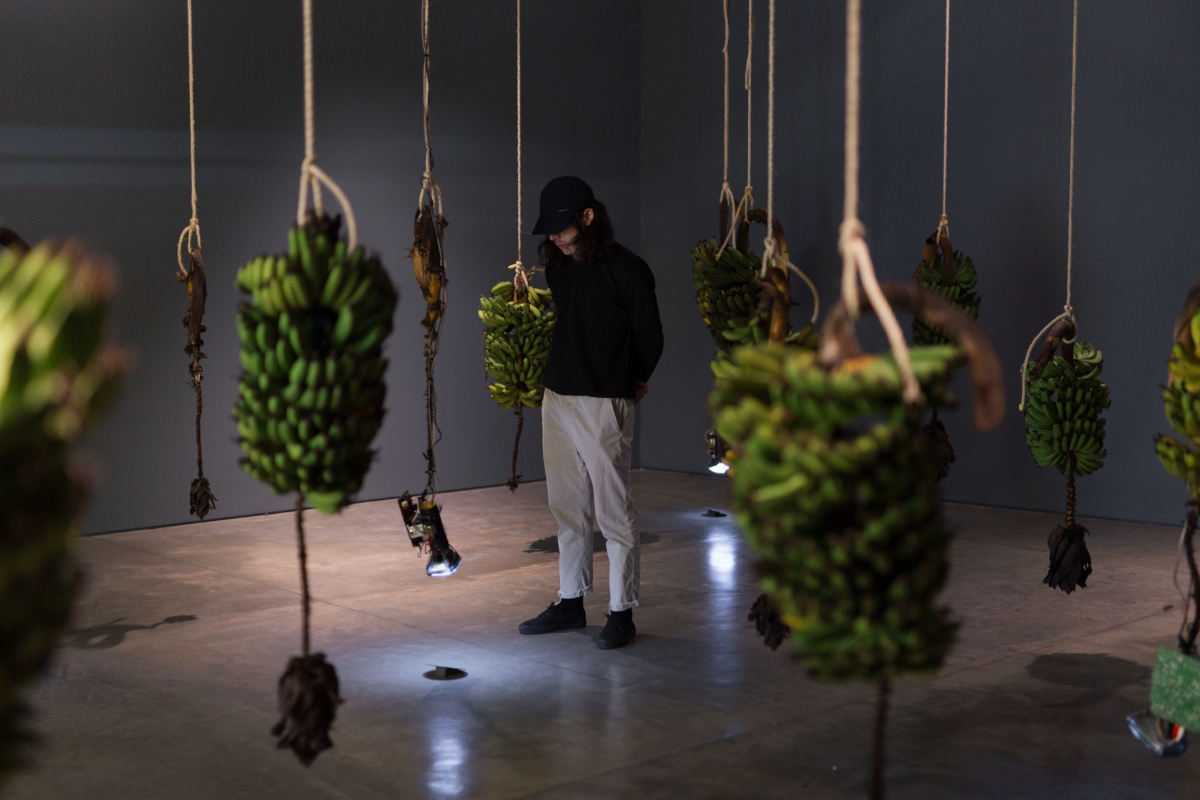
The exhibition brings together a hundred works from one of the most comprehensive collections of Colombian art and represents one of the few times this collection has been studied and exhibited outside the network of cultural centers of Colombia’s central bank. Curated by the MAMM team and supported by the Arts and Other Collections Unit of the Banco de la República, “La buena vida” (The Good Life) comprises some of the most significant works of Colombian art from the last seventy years, reflecting on what has been important in the country in terms of individual and collective life choices. It is an invitation to think intersectionally about how (the “how” of, among others, the artist and philosopher Denise Ferreira da Silva) the actions we take during our brief time on this earth are consistent with ourselves, with others, and with the planet.
As a nod to the burgeoning concept of buen vivir (living well)—originating with various Indigenous peoples of the Andes and the Amazon—this exhibition reflects on architecture, the city, and territory as living spaces. It also invites us to consider the exhibition as a microcosm in which these ideas take shape and to become more aware of our actions in the world. Ultimately, La buena vida proposes to think – through content but also form – about how we exist, what we value, and to take this journey calmly to inhabit the space of the Museum and feel at home: to think, in the words of Ábalos, “about the way of living, of appropriating private space and by extension public space”
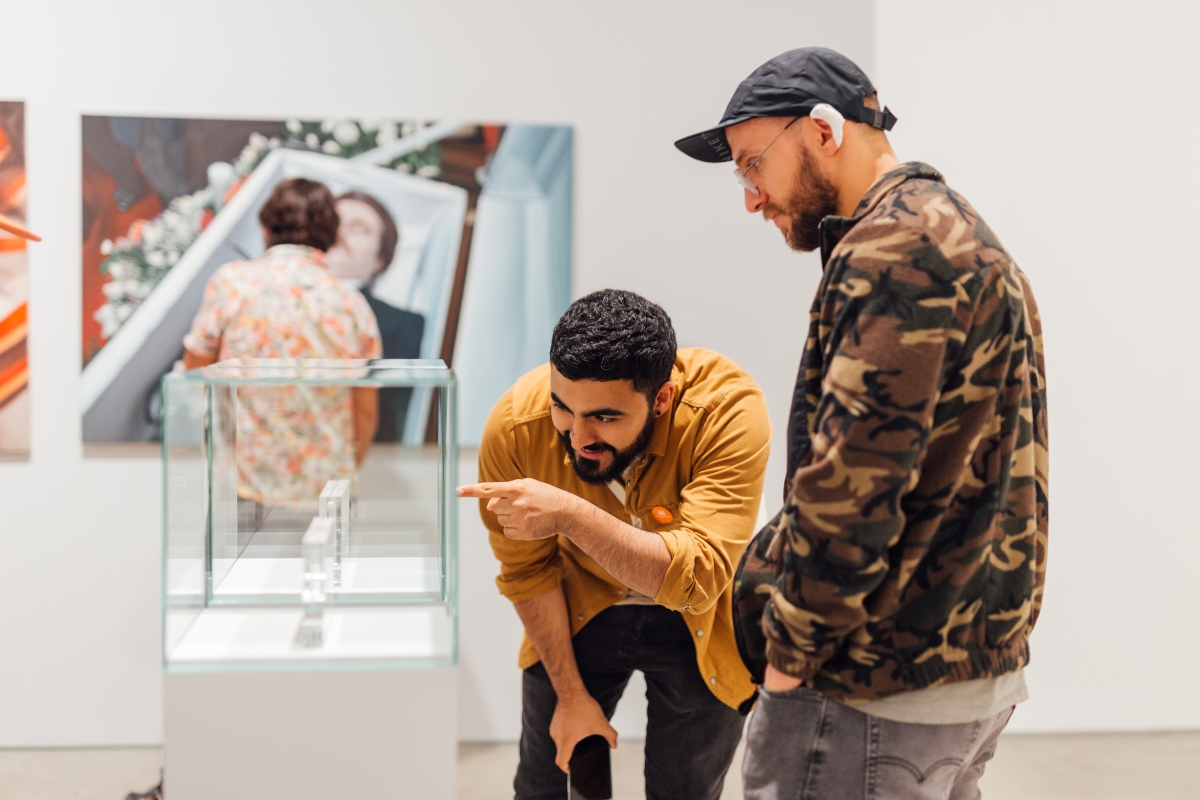
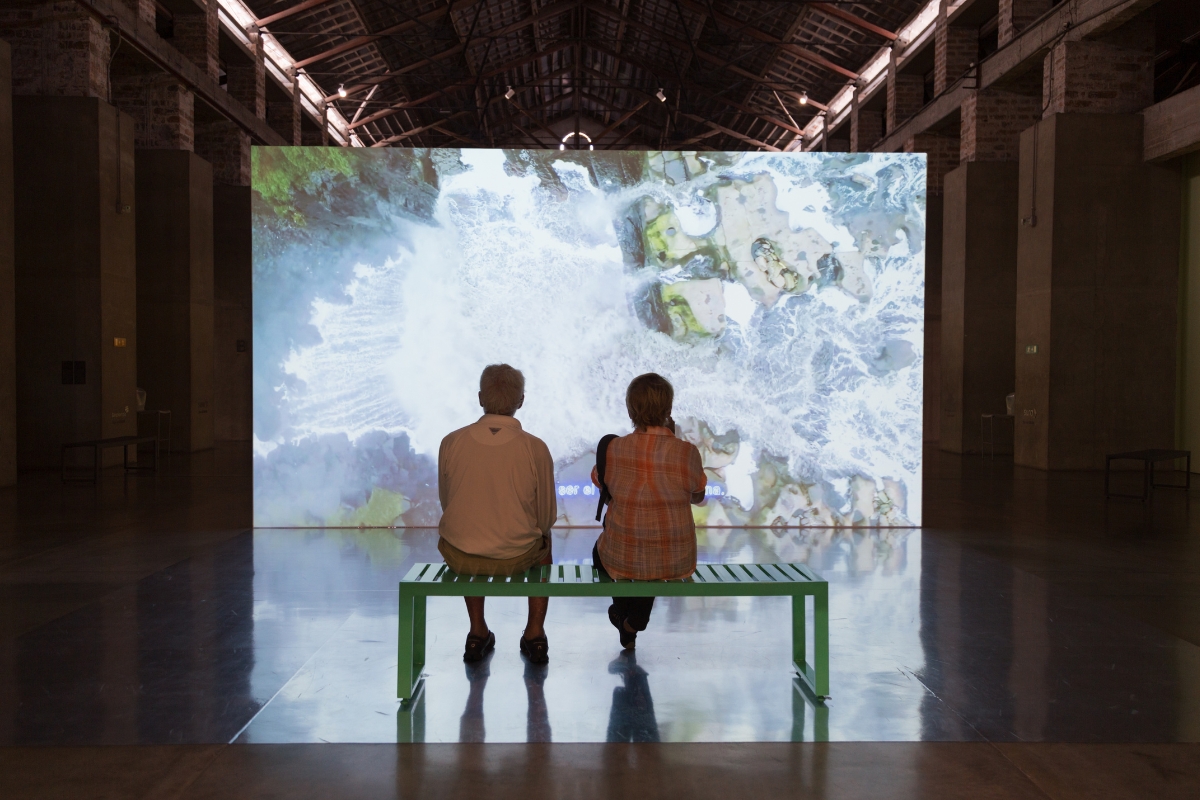
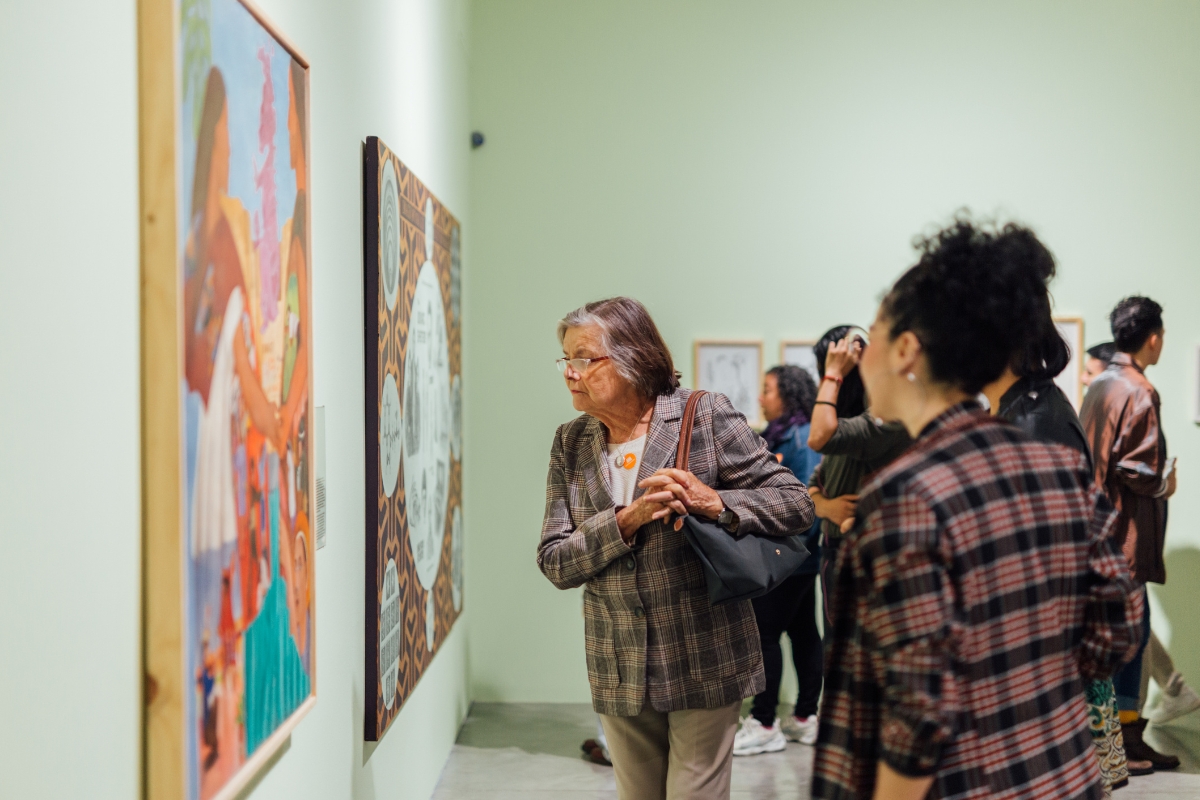
Relive the experience
This exhibition is made possible:
In collaboration with:

Great allies:


Support:

Special thanks: Sites Hotel