

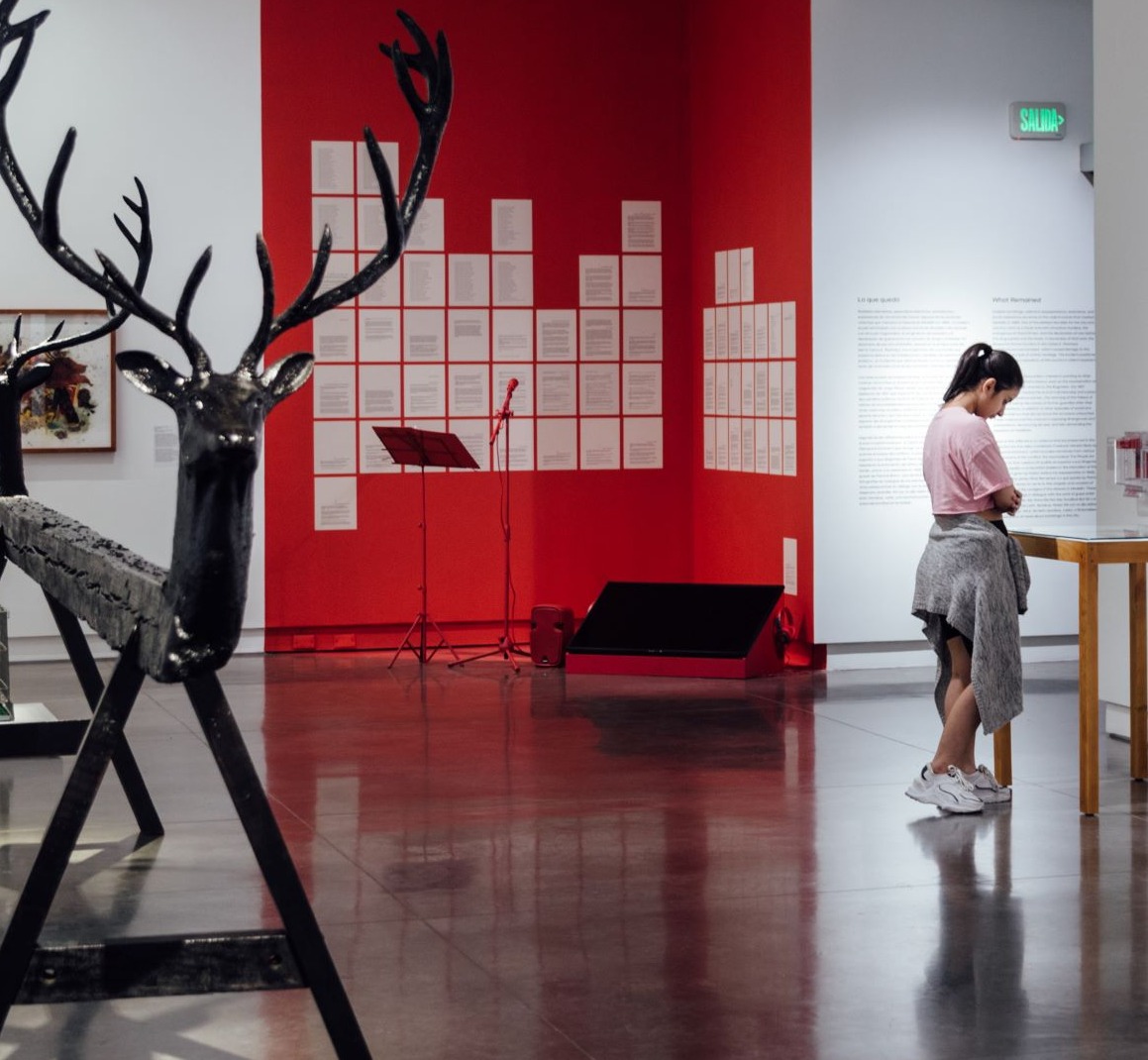
 From 30 de September 2022 al 01 de July del 2024
Artists: Claudia Andujar, Débora Arango, Adolfo Bernal, Patricia Bravo, Rodrigo Callejas, Alberto Campuzano, María Teresa Cano, Mauricio Carmona, Antonio Caro, Alejandro Castaño, John Castles, Daniel Castro, Hugo Hernán Ceballos, Benjamín de la Calle, Clemencia Echeverri, Felipe Ehrenberg, David Escobar Parra, Adrián Gaitán, Germán Alonso García, Aníbal Gil, Ethel Gilmour, Juliana Góngora, Beatriz González, Álvaro Herazo, Iván Hurtado, Alejandra Jaramillo Paba, Ana Mendieta, Juan Luis Mesa, Pedro Meyer, Pablo Mora, Saturnino Ramírez, Caio Reisewitz, Javier Restrepo, Diego Risquez, Roberto Sarmiento, Fredy Serna, Hernando Tejada, Juan Camilo Uribe, Leonel Vásquez, Marta Elena Vélez, Jorge Alonso Zapata, Carlos Zerpa
In that sense, reviewing MAMM’s heritage collection requires analyzing the web of values that sustain it, such as originality over reproducibility, the multiple uses or the importance of creations made with technologies and materials destined for disuse and fading, as well as works that are the description and record of performances, actions, and collective gestures. What are the practices of preservation and meaning? What criteria take priority when building a collection? What conditions and resources must a museum focused on contemporary art have in order to conserve and exhibit a heritage that provides clues about the past while enabling dialogue with public variants?
With these questions, Versión libre. Sucesos en la Colección MAMM is an exhibition that reviews and updates the meanings of the Museum’s collection, which is viewed as a compendium of pieces with meanings that change, are revitalized, and respond to diverse social relations. This free reading moves away from the sacralization and fetishism of heritage, encompasses phenomenological processes rather than historical demarcations, and considers artworks as sources for the analysis of culture, the art market, and the criteria of artistic and heritage value that the Museum uses to determine what it includes and what it does not in its collection.
The exhibition detaches itself from the idea that history is continuous and opts for a dialogue between the works in the collection and sucesos (events), an open and flexible category frequently used in newspapers to name unclassifiable news. The exhibition is divided into four events that are relevant in the memory of the museum and the country, while also exposing the problematics around the idea of heritage and entering into dialogue with works by 56 artists from the collection and 4 guest artists who update each of them.
The first event, Sobre el papel, reviews the origin and growth of the MAMM collection, which began in 1978 with a group of works donated by founding artists two years before having a physical space. Thus, the Museum in its beginnings did not have an exhibition space but did have a collection that backed it. Around this event, pieces are gathered that were the result of institutional efforts and the generosity of artists and collaborators, with diverse materialities: some that threaten to disappear and others that, paradoxically regarding the collection’s origin, have become a challenge for storage, conservation, and exhibition due to the space and care they require.
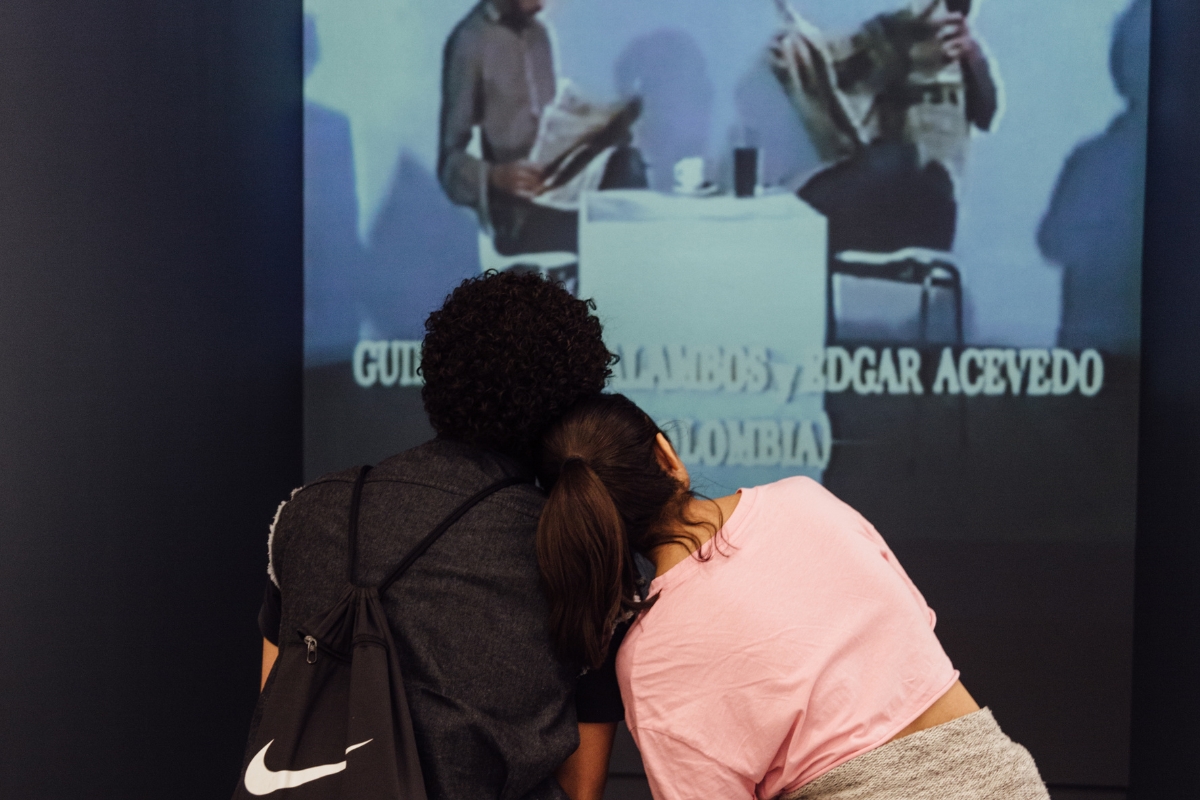
No objetualismo questions the value of materiality in art and points out how an action or its record can acquire the status of art. Non-objectualism is a concept coined by Peruvian curator Juan Acha, director of the 1st Colloquium on Non-Object Art and Urban Art, a highly relevant gathering that took place at MAMM in 1981. This event, which showed a particular Latin American art detached from hyper-consumption and collecting, left the Museum with photographic records and archives that do not constitute a work of art in themselves, but which, as unique pieces of ephemeral actions, must be safeguarded as such.
Lo que quedó centers on the attack of which MAMM was a victim in 1989, when a bomb damaged part of its facilities, an event that placed the Museum within the framework of the social and political violence of the eighties and early nineties in Medellín. In this event, reflection occurs on what is preserved and what is destroyed, the history that is forgotten, remembered, and questioned in the work of artists from the collection. Finally, Los excluidos brings together works and artists who were marginalized from certain spheres of art or who, on the contrary, gained recognition due to the rawness with which they denounced socially judged topics or highlighted invisible figures. In this event, the hierarchies and social consensus that confer or strip legitimacy from art are questioned.
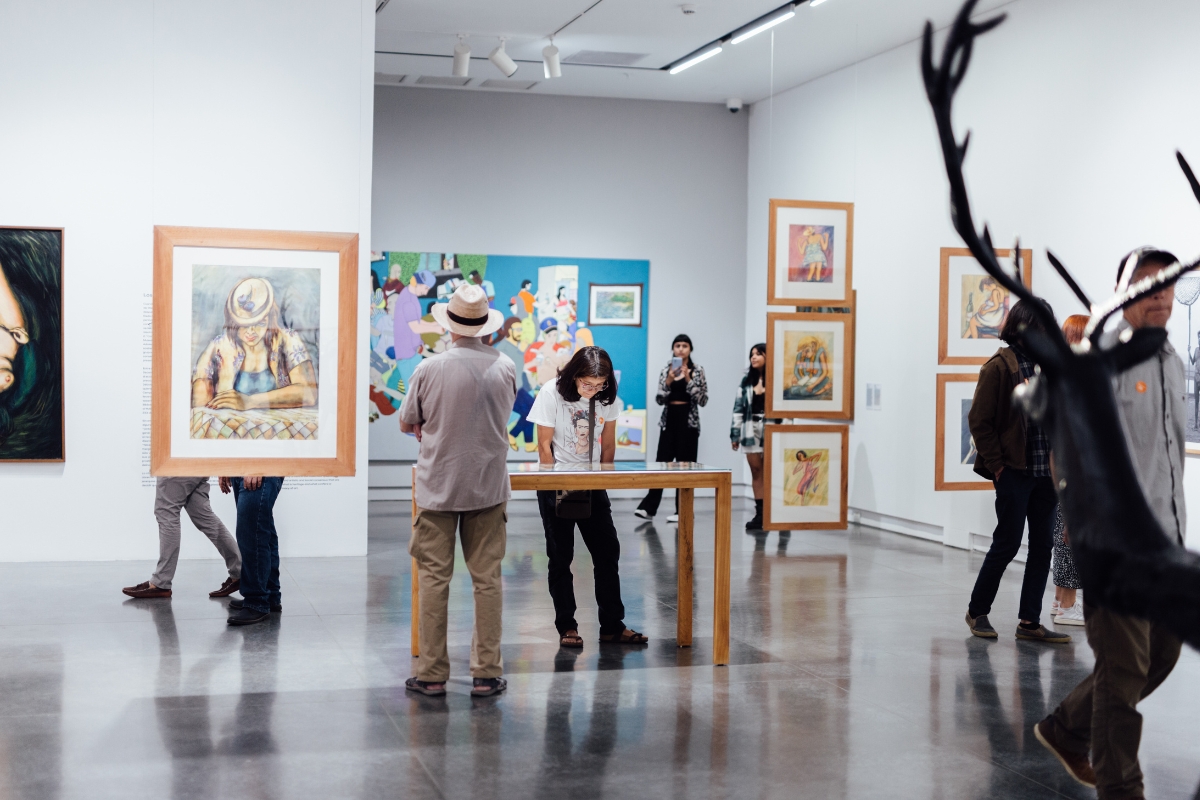
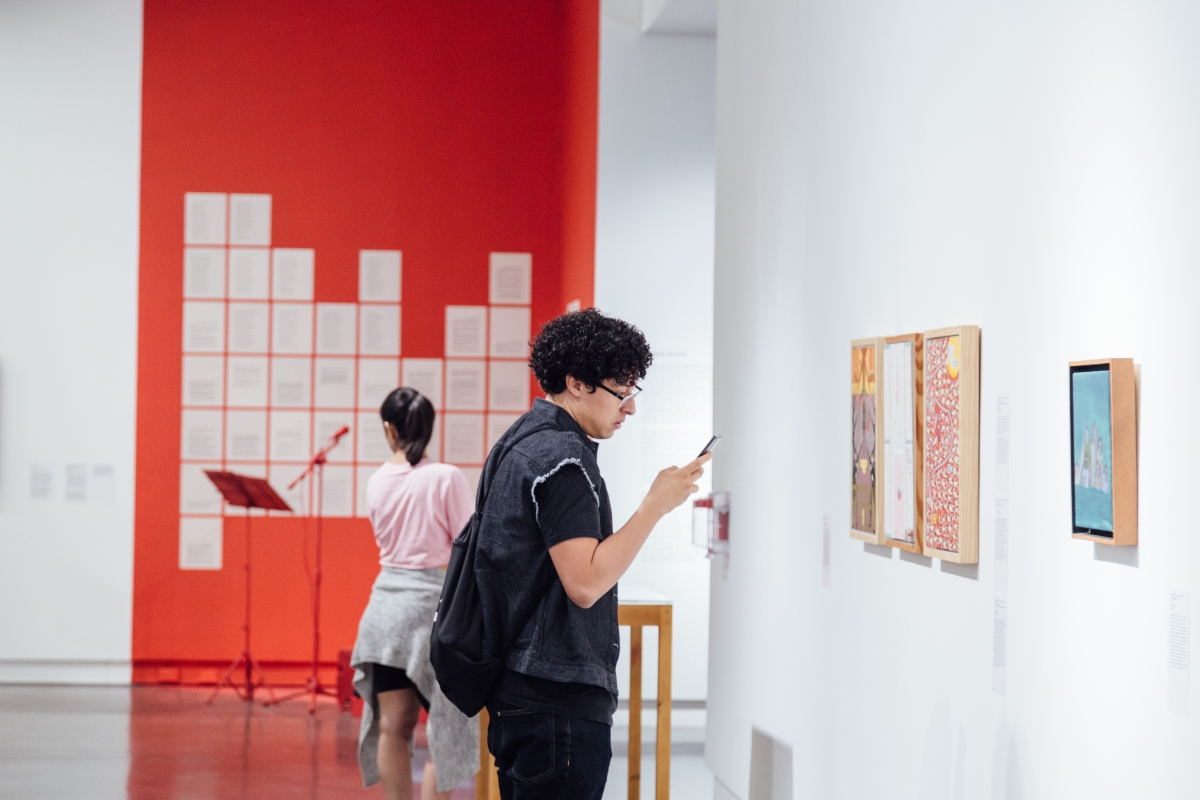
Relive the experience
This exhibition is made possible thanks to
Ally: Fundación MUV
Supported by: Celsa, Transmetano y Confiar Cooperativa Financiera